Why craftsmanship in firearms create 100% excellence: feel the difference
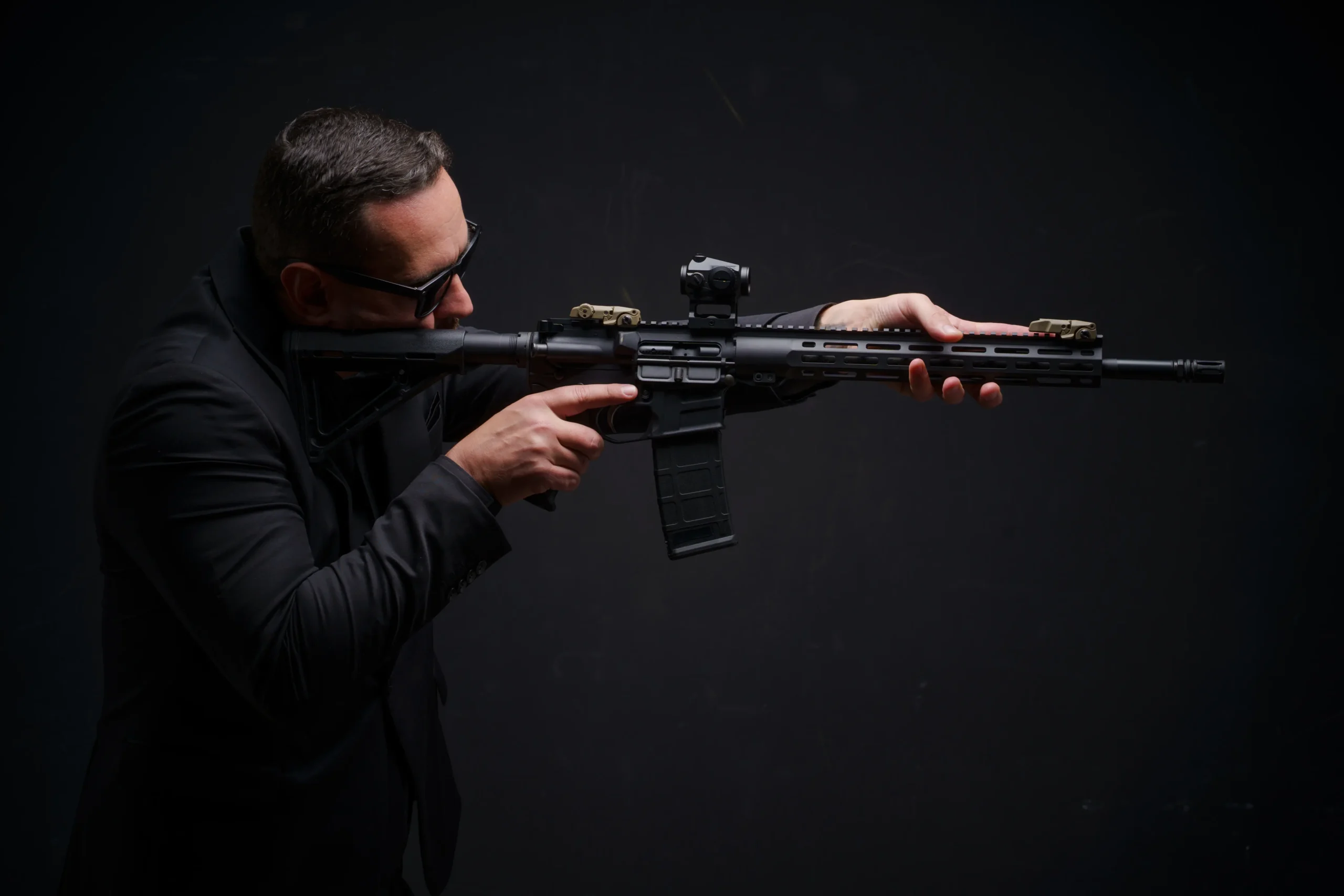
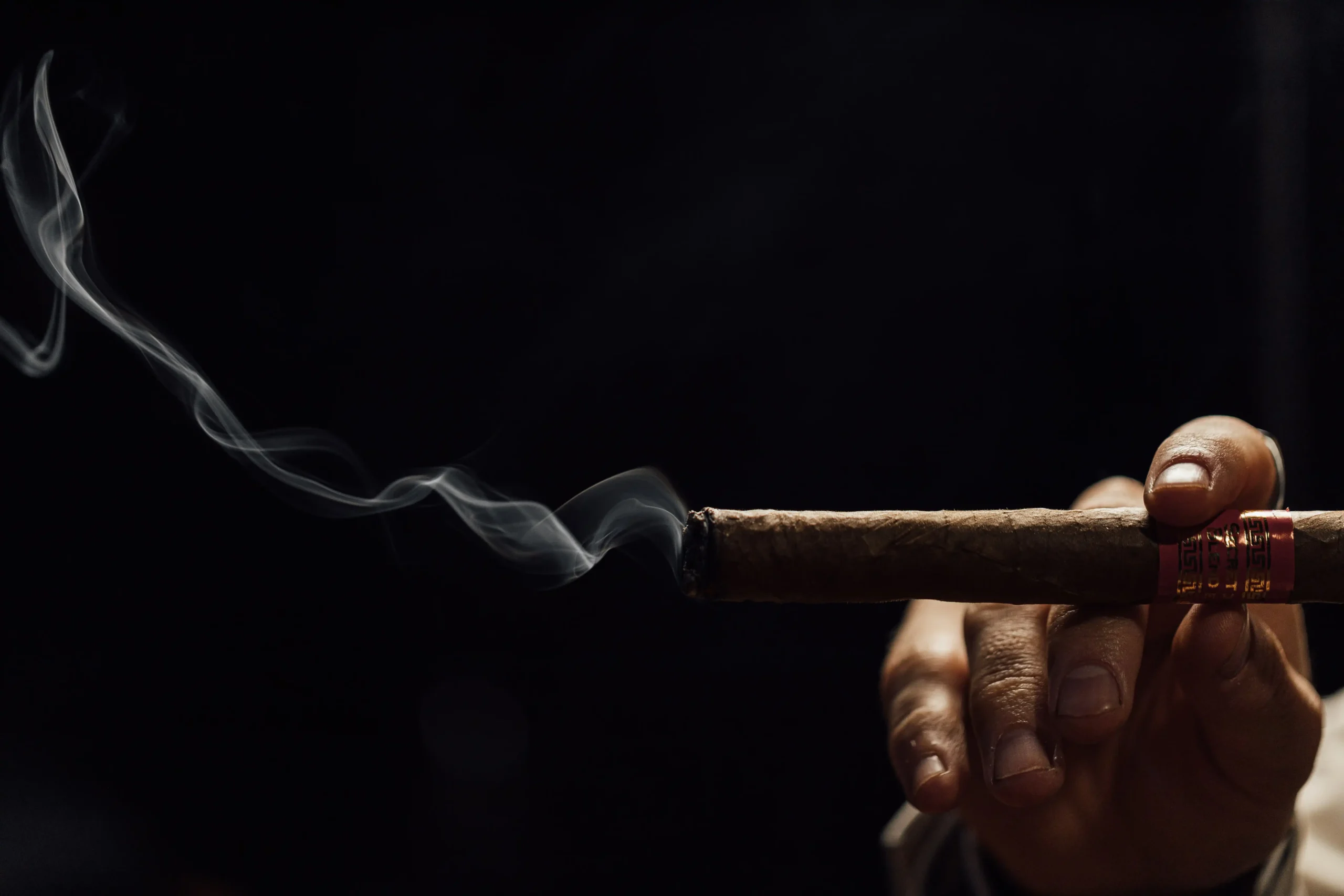
Not all firearms are created equal, and the gap between a mass-produced pistol and a hand-fitted custom build is wider than most shooters realize. True craftsmanship in firearms means tighter tolerances, better material selection, and attention to detail that machines alone cannot replicate. Think of it like a well-selected single-origin cigar versus a bulk-rolled alternative: both technically work, but one delivers an experience worth remembering. This article breaks down exactly what craftsmanship means in the firearm world, how it drives real-world accuracy and reliability, and why serious enthusiasts continue to invest in artisan-level quality over factory output.
Table of Contents
- What craftsmanship means in firearms
- How craftsmanship drives firearm accuracy and reliability
- The evolution of craftsmanship: Blending tradition and technology
- Why craftsmanship still matters: The owner’s perspective
- True craftsmanship in firearms: What most miss
- Upgrade your experience with true craftsmanship
- Frequently asked questions
Key Takeaways
| Point | Details |
|---|---|
| Craftsmanship defined | Hand-fitting, precision machining, and material selection drive the exceptional performance of crafted firearms. |
| Performance benefits | Custom craftsmanship delivers proven gains in accuracy, reliability, and longevity over mass-produced options. |
| Tradition meets technology | Blending traditional gunsmithing with CNC machining brings out the best in modern firearms. |
| Premium ownership experience | Craftsmanship adds emotional value, practical reliability, and long-term investment to your firearm collection. |
What craftsmanship means in firearms
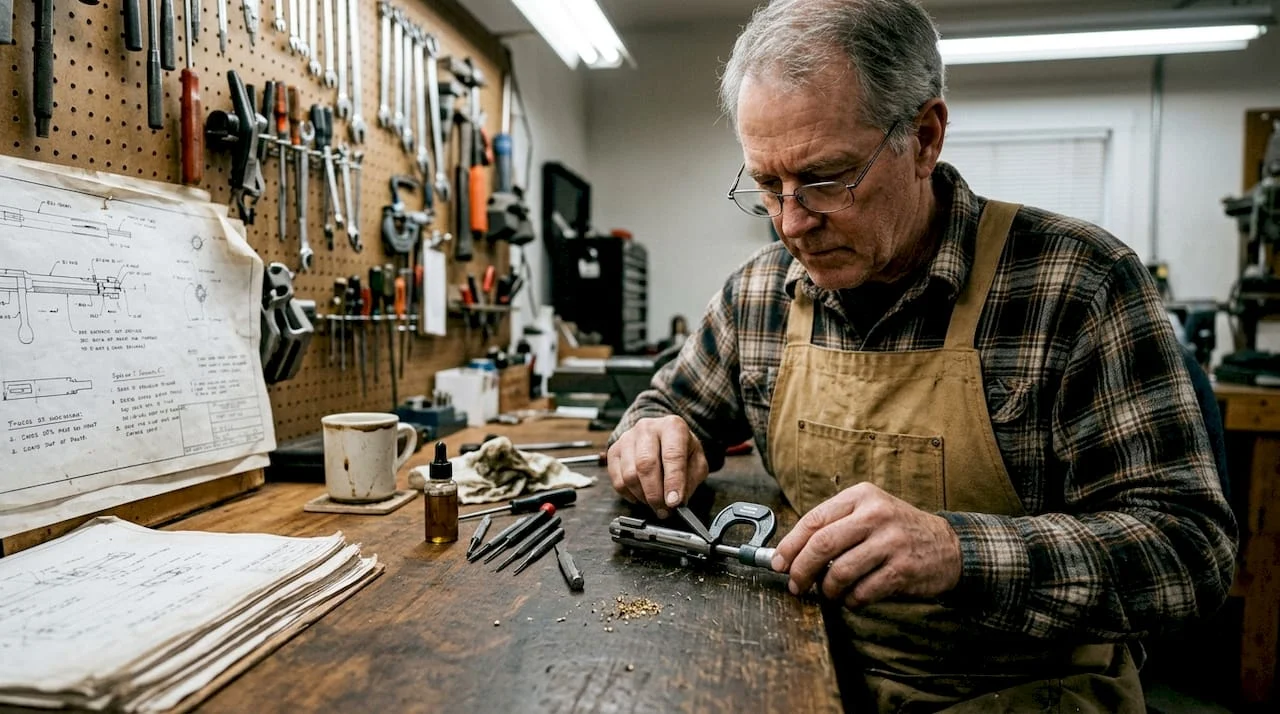
Craftsmanship is not a marketing buzzword. In the context of firearms, it refers to a specific set of practices: hand-fitted parts, precise machining, and the selection of premium materials that together achieve tighter tolerances than standard production lines allow. Superior tolerances and reliability are the direct result of this approach, separating truly built firearms from those simply assembled.
Historically, gunsmiths relied on hammer forging, hand filing, and careful fitting to bring parts into alignment. These techniques required hours of skilled labor and an intimate understanding of how metal behaves under stress. Modern mass production trades that time for speed, using stamped parts and looser fit standards to drive down cost and output more units per day.
Here is what separates a crafted firearm from a production model:
- Hand-fitted components that minimize play between moving parts
- Precision machining to exact specifications rather than acceptable tolerance ranges
- Premium barrel steel selected for hardness, consistency, and rifling quality
- Surface finishing applied with care, not just for looks but for corrosion resistance
- Function testing at each build stage, not only at final inspection
These details matter even to casual shooters. A firearm with proper tolerances runs cleaner, feeds more reliably, and holds zero better over time. For those who carry daily or depend on a firearm in a tactical scenario, these are not luxuries but requirements. Pairing your firearm with solid gunsmithing expertise ensures those standards are met and maintained.
There is also an emotional dimension here. A crafted firearm feels different in hand. The action cycles with a smoothness that production guns rarely match. That is not nostalgia. It is the physical result of deliberate work.
Pro Tip: When evaluating a firearm’s craftsmanship, cycle the action slowly by hand. Smooth, consistent resistance with no gritty spots or excessive play is a reliable sign of quality fitting.
How craftsmanship drives firearm accuracy and reliability
Performance is where craftsmanship proves its value in measurable terms. Custom firearms built at dedicated performance centers regularly demonstrate accuracy that factory guns cannot match out of the box. Custom performance benchmarks from makers like Smith & Wesson and Colt show what skilled craftsmanship actually produces: the S&W 586 delivers 1-inch groups at 25 yards, Colt Custom holds 2-inch groups at 50 feet, and Les Baer guarantees 3 inches at 50 yards on their production custom pistols.
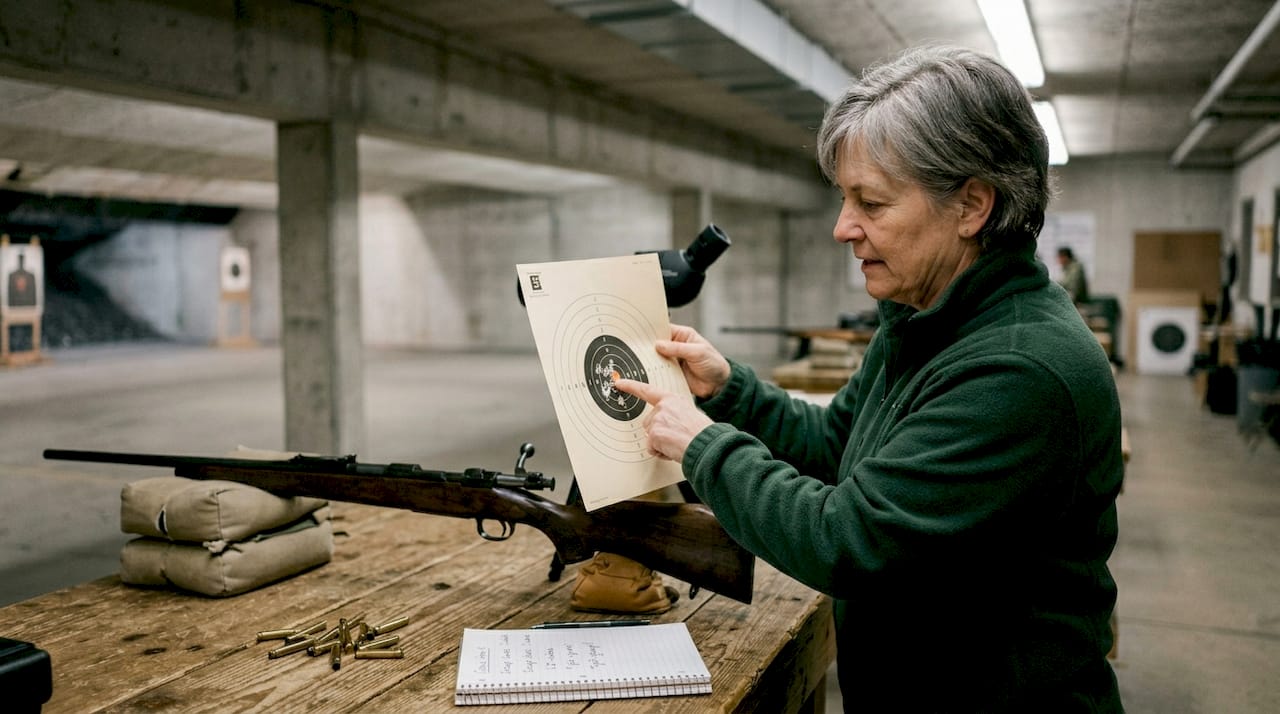
These numbers mean something real. Sub-MOA accuracy, which refers to shooting groups smaller than one minute of angle (roughly 1 inch at 100 yards), is the standard benchmark for precision shooting. Achieving it consistently requires not just quality ammunition but a firearm built to exacting specifications.
| Firearm | Group size | Distance |
|---|---|---|
| S&W Performance Center 586 | 1 inch | 25 yards |
| Colt Custom Shop | 2 inches | 50 feet |
| Les Baer Custom | 3 inches | 50 yards |
| Standard production pistol | 3-5 inches | 25 yards |
Processes like blueprinting (squaring and truing the receiver), hand-lapping the barrel, and precise milling of the slide rails directly reduce malfunction rates. Blueprinting and milling improve accuracy, reliability, and recoil control in ways that assembly-line production simply cannot replicate at scale.
“A firearm built with true craftsmanship does not just shoot better on day one. It stays reliable on day one thousand.” — Experienced competitive shooter
Coatings also play a role that goes beyond appearance. A properly applied Cerakote finish bonds to the metal surface, improving corrosion resistance and reducing friction between contact points. When combined with precision fitting, the result is a firearm that cycles consistently under stress, heat, and field conditions.
Pro Tip: If you’re evaluating custom-built firearms, ask specifically about the blueprinting and lapping steps in the build process. Builders who skip these steps are cutting corners on the details that matter most.
The evolution of craftsmanship: Blending tradition and technology
Firearm craftsmanship did not stop evolving with the industrial age. It adapted. Traditional methods like hammer forging and button rifling have been refined by CNC machining, which brings tolerances to levels previously impossible by hand alone. This is not a replacement of skill but an expansion of it.
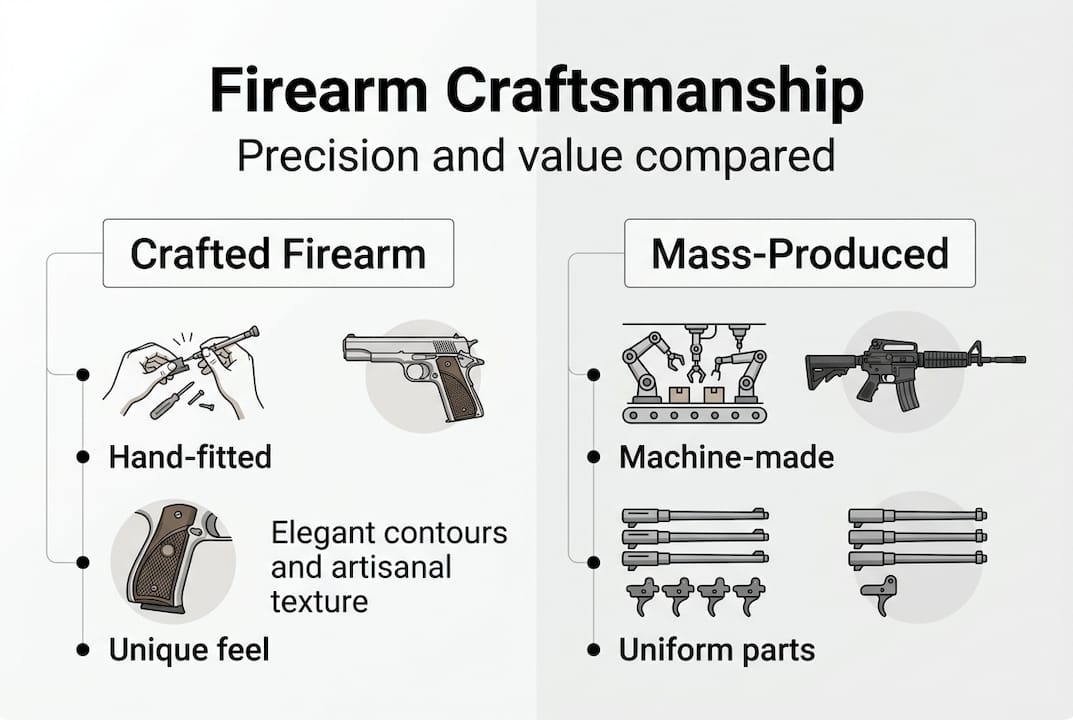
Here is how the two approaches compare:
| Attribute | Traditional hand crafting | CNC-assisted crafting |
|---|---|---|
| Tolerance consistency | High skill dependent | Highly repeatable |
| Time investment | Very high | Moderate |
| Human error risk | Present | Reduced |
| Customization range | Very broad | Very broad |
| Cost | Higher | Moderate to high |
The real advantage of modern craftsmanship is the combination of both columns. A skilled gunsmith uses CNC machining for precision-critical cuts, then applies hand-fitting to finalize the action, match barrel to slide, and test function at each stage. This hybrid approach delivers both consistency and character.
Here are the key stages in building a high-quality firearm the right way:
- Material selection — choosing the correct steel or aluminum alloy for each component
- CNC machining — cutting receivers, slides, and barrels to precise specifications
- Hand-fitting — working the action by hand to eliminate slop and improve smoothness
- Surface treatment — applying coatings or finishes for protection and aesthetics
- Function testing — live-fire and dry-fire evaluation at multiple stages
- Final inspection — detailed review of all dimensions, timing, and finish quality
The result of blended gunsmithing methods is a firearm that meets a machine’s precision standard while carrying the intentionality of skilled human work. That combination is what separates a truly premium build from an expensive production model.
Why craftsmanship still matters: The owner’s perspective
Numbers and processes tell part of the story. The other part is personal. When you hold a firearm built with real craftsmanship, you feel the difference immediately. The weight is balanced, the trigger breaks cleanly, and the action moves without unnecessary friction. That is not coincidence. It is intention.
Ownership pride is real and it is practical. A firearm built to this standard lasts longer, holds its value better, and passes more reliably to the next generation. Premium tactical firearms built with blended craftsmanship deliver tailored performance and edge-case reliability that mass-produced guns cannot guarantee.
Here are three core reasons serious enthusiasts continue to pay more for artisan-level firearms:
- Long-term reliability: A properly fitted firearm holds tighter tolerances longer, meaning fewer malfunctions after thousands of rounds
- Investment and resale value: Custom and performance-center firearms retain value significantly better than comparable production models
- Heirloom potential: A well-built firearm with documented provenance and quality construction is something worth passing down
“You don’t buy a crafted firearm just to shoot it. You buy it because you trust it completely, and that trust was built into every part.” — Tungsten Creek Tactical customer
In tactical or defensive scenarios, this matters at a level that goes beyond preference. A firearm that you can count on to cycle every time, in every condition, is not a luxury. It is a decision you make ahead of time so you don’t have to make it in the moment. Exploring custom Cerakote options or reviewing what goes into choosing a concealed carry pistol are both natural extensions of that mindset.
True craftsmanship in firearms: What most miss
Here is the part most articles skip. The real value of hand-fitting is not just accuracy improvement. It is the ability to catch what machines cannot see. CNC equipment operates within tolerances. Hand-fitting works at the edge of those tolerances, identifying real-world function issues that would never appear on a spec sheet.
Experienced gunsmiths describe a moment in every build where a part that measures perfectly still does not feel right in the action. That is intuition backed by thousands of hours of practice. No automated system catches that. The machine did its job. The craftsman finishes it.
The contrarian view worth holding here is that automation is not the enemy of craftsmanship. It is the best tool a craftsman has ever had. The threat to quality is not technology. It is the decision to stop at what the machine produces and skip the human step entirely. Custom gun experts who understand both sides of this process are the ones building the firearms you will still be trusting twenty years from now. Buying for craftsmanship is not about prestige. It is about knowing that someone cared enough to finish the job right.
Upgrade your experience with true craftsmanship
You now know what separates a truly crafted firearm from a production alternative. The difference is not just technical. It is the kind of confidence that comes from owning something built with intention and verified by skilled hands.

At Tungsten Creek Tactical, we bring that level of care to every service we offer. From custom firearm builds tailored to your exact specifications, to professional gunsmithing that improves what you already own, to precision Cerakote finishes that protect and personalize your investment, our team is built around the same values that define great craftsmanship: honesty, precision, and accountability. Reach out today to talk with our experts about what your next build or upgrade should look like.
Frequently asked questions
What makes a firearm ‘crafted’ versus mass-produced?
A crafted firearm involves hand-fitting and precision machining to achieve tight tolerances and superior performance, while mass-produced guns prioritize throughput and lower unit cost over individualized quality.
Does craftsmanship improve firearm safety?
Yes. Blueprinting and precise fitting ensure correct part alignment and tolerances, which directly reduces malfunction risk and improves overall operational safety.
Is custom craftsmanship still relevant with modern CNC technology?
Absolutely. CNC improves consistency, but hand-fitting addresses edge cases that automated processes cannot catch, which is why blended barrel production consistently outperforms either method used alone.
What kind of accuracy can I expect from a crafted firearm?
Performance center firearms routinely guarantee groups of 1 inch at 25 yards, which is a standard most production models cannot match without additional custom work.
Recommended
Related Post

Discover the 5 ways
An introduction to Tactical Luxury Guns & Coffee We founded
Top 5 Best PCC’s
In 2026, the Pistol Caliber Carbine (PCC) market is no