
Top types of gun accessories for every shooter
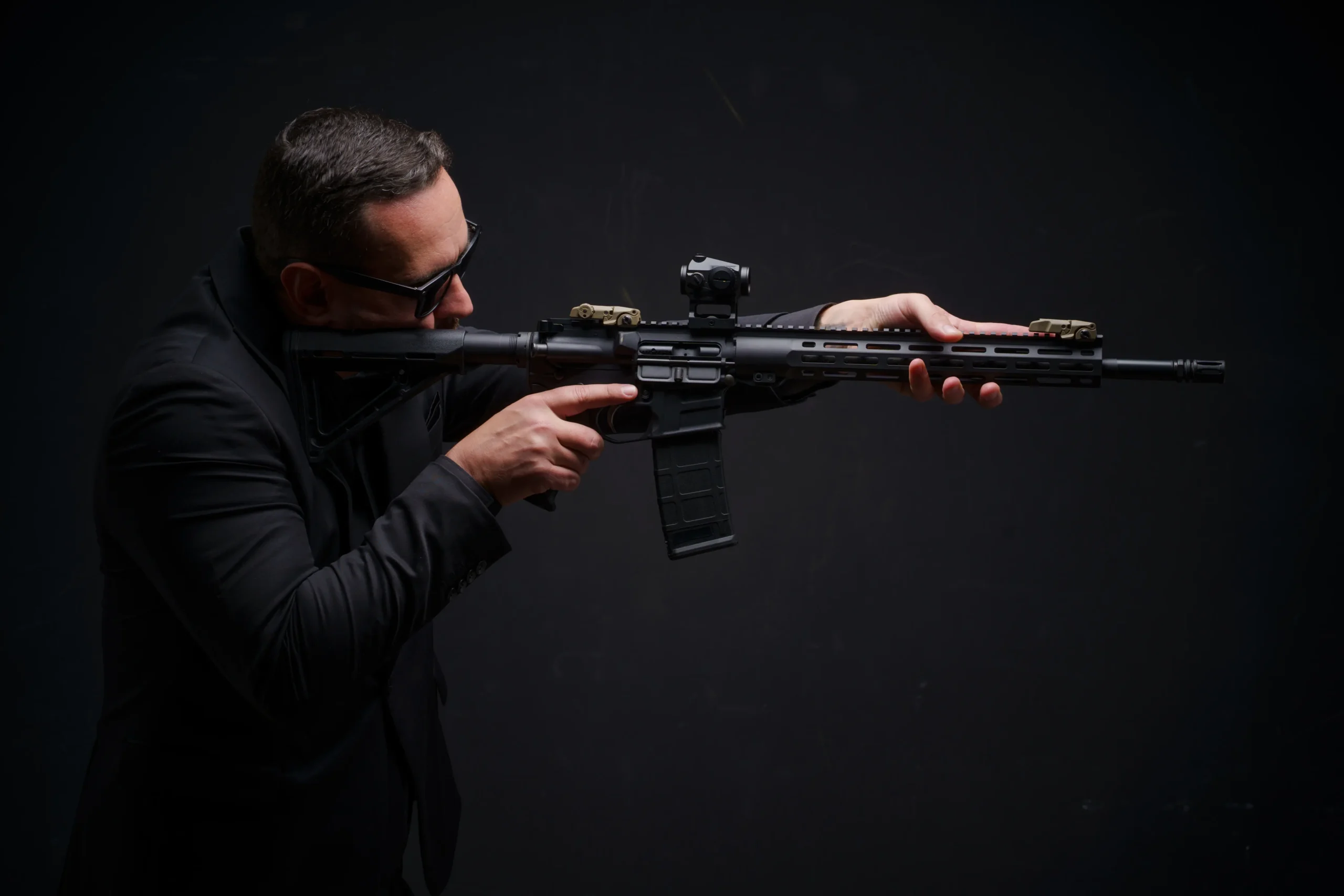
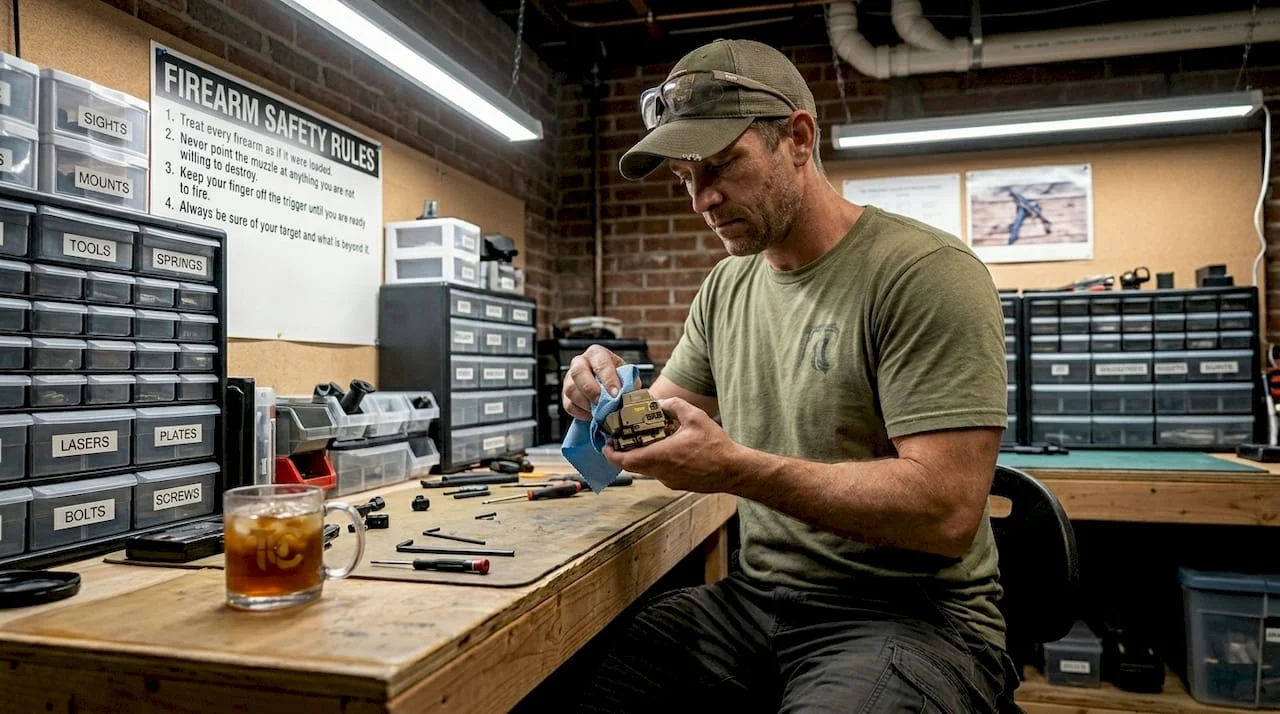
Choosing the right gun accessories is genuinely complex. Between the range of available options, compatibility requirements, and a legal landscape that shifts from one state to the next, even experienced shooters can find themselves second-guessing their choices. Getting it right means thinking about your intended use, understanding what the law allows, and making deliberate decisions rather than impulse buys. This guide breaks down the major accessory categories, compares key options within each, and gives you a clear framework for building a setup that performs where it counts.
Table of Contents
- Key criteria for choosing gun accessories
- Sights, optics, and aiming devices
- Grips, stocks, and handling upgrades
- Magazines and ammunition carriers
- Mounts, rails, and tactical attachments
- A practical approach to accessorizing your firearm
- Enhance your experience with quality gear
- Frequently asked questions
Key Takeaways
| Point | Details |
|---|---|
| Legal research is essential | Always check state and federal laws before buying or installing a firearm accessory. |
| Match accessories to use | Consider your main shooting activity—defense, target, or hunting—when choosing upgrades. |
| Sights improve accuracy | Upgrading sights or optics can quickly enhance target acquisition and shooting performance. |
| Ergonomics aid control | The right grip or stock can improve handling and reduce fatigue. |
| Less is often more | A thoughtfully curated accessory setup performs better than adding every possible gadget. |
Key criteria for choosing gun accessories
With the importance of a well-informed approach in mind, let’s clarify the selection framework before exploring specific accessory types.
Before you spend a dollar on accessories, you need to know what you’re building toward. A home defense build has almost nothing in common with a precision long-range setup or a competitive pistol. Defining your intended use first saves you from buying gear you’ll never actually need.
The most important selection factors to consider include:
- Intended use: Home defense, concealed carry, hunting, competitive shooting, or range recreation each demand different tools.
- Compatibility: Not every accessory fits every firearm. Rail systems, thread pitches, and receiver types all matter.
- Legal restrictions: Accessory legality varies by jurisdiction and item type, including suppressors, short-barreled rifles (SBRs), and high-capacity magazines.
- Budget: Premium accessories hold value, but entry-level options can perform well when matched correctly.
- Reliability: Any accessory that could cause a malfunction under stress is not worth the trade-off.
Legal compliance deserves more than a passing thought. Suppressors, for example, require a $200 tax stamp and a lengthy approval process under the National Firearms Act. Magazines over a certain round count are outright banned in several states. SBR conversions require proper ATF registration or you are looking at federal felony territory. The law is not always intuitive, and it changes. Always verify current state and local regulations before you purchase anything that could cross a legal line. Understanding firearm technology and safety in the broader sense will also keep you sharp on where the rules apply.
Pro Tip: Before ordering any accessory online, check your state’s current statutes, not just federal law. Several states have additional restrictions that go well beyond federal requirements.
Sights, optics, and aiming devices
Having set the criteria, let’s start with the most popular upgrades: aiming enhancements.
Optics and sights are the single most impactful category of firearm accessories when it comes to accuracy. They are also the most personal. What works for a competition shooter running a red dot at three yards is very different from what a deer hunter needs at two hundred yards. Sights and optics are common performance upgrades that are generally legal but still subject to local rules, particularly when night vision or certain laser devices are involved.
Here is a breakdown of the main types:
- Iron sights: The baseline. Durable, zero-maintenance, and always reliable. Front and rear post sights or blade sights work in any light condition when you know how to use them. Fiber optic sights gather ambient light to make target acquisition faster in moderate conditions.
- Red dot sights: Ideal for fast target acquisition at close to medium range. They project a single illuminated dot onto a lens, allowing both-eyes-open shooting. Red dot optics are extremely popular on pistols, carbines, and tactical rifles.
- Holographic sights: Similar in function to red dots but project the reticle using laser holography, giving a wider field of view and faster acquisition in close-quarters scenarios. A quality holographic sight paired with a magnifier gives you real flexibility from room distance out to two hundred yards.
- Magnified scopes: Best for hunting and long-range precision shooting. Variable power scopes let you dial in the appropriate magnification for the distance.
- Laser sighting devices: Effective under stress, but check your jurisdiction. Night vision-compatible IR lasers and high-powered visible lasers face specific restrictions in several states.
For a broader range of gun optics selection, match the optic to the task. A 4X fixed scope makes no sense on a home defense shotgun. A red dot on a bolt-action hunting rifle is unconventional but could work in dense brush.
Pro Tip: Pair your optic to your firearm’s purpose and your shooting distance. Overpowered magnification for close-range shooting slows you down; under-powered glass costs you at distance.
Grips, stocks, and handling upgrades
Beyond targeting, handling upgrades are a close second in popularity. Let’s look at what matters and why.
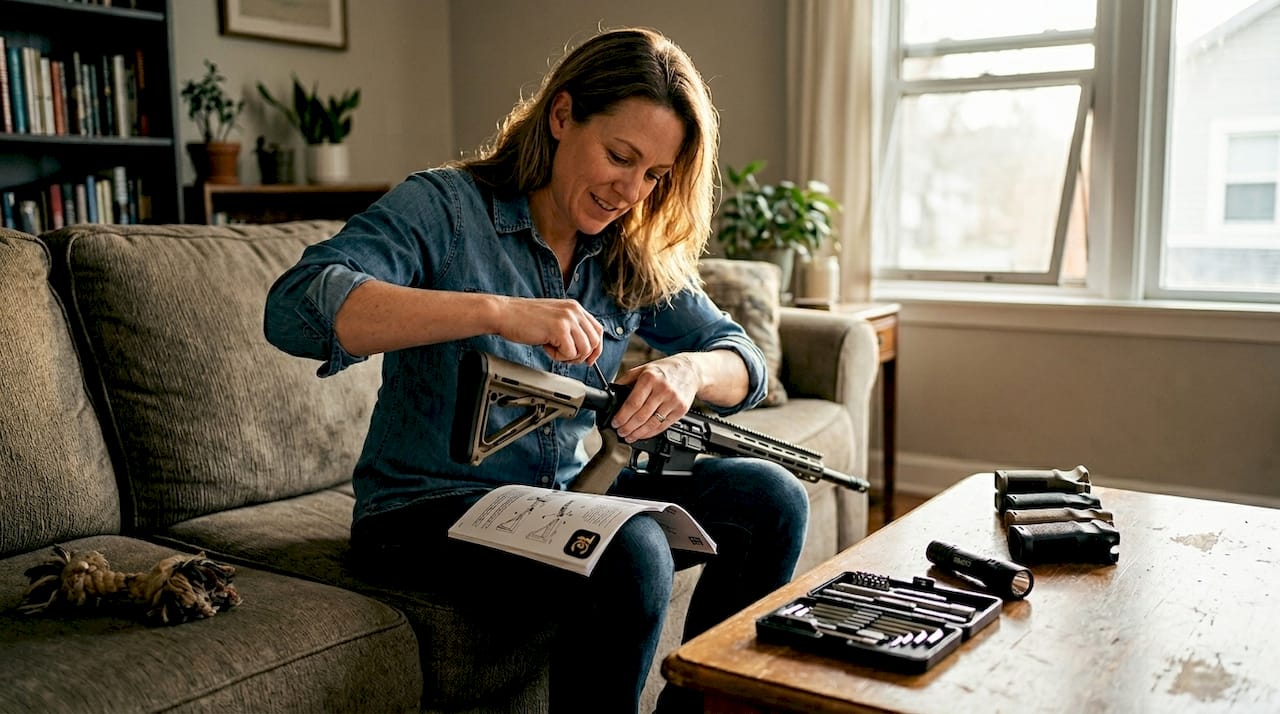
Control and comfort directly affect accuracy and speed. An ergonomic setup reduces shooter fatigue, manages recoil more effectively, and allows for faster follow-up shots. This is the category where body type and personal preference play the largest role, and it is also where legal complications show up most frequently.
Common handling upgrades include:
- Ergonomic pistol grips: Textured or angled grips that improve purchase and reduce slippage, especially under stress or with wet hands. An enhanced grip kit designed for AR-platform rifles dramatically improves control during rapid fire.
- Adjustable stocks: Allow length-of-pull adjustment for different body sizes and gear configurations. The SB Tactical adjustable stock offers five positions, making it adaptable for a wide range of shooters.
- Cheek risers: Align your eye with optics more naturally, particularly important when adding scopes or taller red dot mounts.
- Sniper-style pistol grips: Designed for better control angle on precision builds. The UTG Model 4 pistol grip is a practical example for AR-15 platforms.
Grips and stocks are widely customizable, but items like pistol braces and adjustable stocks must meet specific legal definitions depending on how they are used and how the firearm is classified.
“Certain items, like pistol braces and conversion kits, face specific regulatory scrutiny.”
The pistol brace situation has shifted repeatedly over recent years, and the ATF’s definitions have drawn court challenges. Before adding a brace to a pistol-configuration firearm, confirm the current legal status at the federal level and in your state.
Magazines and ammunition carriers
Another core area, magazines, merits separate attention for both performance and compliance.
The magazine is the lifeblood of a semi-automatic firearm’s function. Choosing the right capacity and type affects both performance and legal standing. Magazine capacity is one of the most regulated accessory categories and varies widely by state, with some states capping capacity at 10 rounds and others permitting standard or extended magazines freely.
| Magazine type | Typical capacity | Common legal status |
|---|---|---|
| Standard | 10 to 17 rounds | Legal in most states |
| Extended | 18 to 29 rounds | Restricted in some states |
| Drum | 30 to 100 rounds | Restricted or banned in many states |
| SBR/compact | 5 to 10 rounds | Generally legal |
Standard-capacity magazines for common pistols typically run 15 to 17 rounds for 9mm platforms. A 14-round magazine is a practical choice for .22 Magnum 1911 platforms, while a 30-round magazine in .223 Remington suits a Ruger Mini-14 for range use where capacity is not restricted. For those operating in capacity-restricted states, a quality 10-round magazine from Smith and Wesson for 9mm competition use is a reliable choice that keeps you legal without sacrificing reliability.
Beyond magazines themselves, how you carry reload ammunition matters too:
- Speed loaders: Fast and dependable for revolvers in both home defense and competition.
- Belt magazine pouches: Keep spare mags accessible for IDPA, USPSA, or range sessions.
- Chest rigs: Distribute carry weight across the torso for extended shooting scenarios, hunting, or training drills.
Mounts, rails, and tactical attachments
With ammunition handled, let’s turn to the best ways to attach and position your other gear.
Rail and mounting systems are the connective tissue of a modern tactical build. They determine what you can add and where. Understanding the main rail standards prevents costly incompatibility mistakes.
The three main mounting standards:
- Picatinny rail (MIL-STD-1913): The universal standard for mounting optics, lights, and accessories. Widely supported across AR platforms, shotguns, and pistols.
- M-LOK: A newer and more streamlined slot system used on free-float handguards. Lighter than full Picatinny rail and extremely popular on modern AR builds.
- KeyMod: An earlier alternative to M-LOK. Less common today but still supported by many manufacturers.
Common tactical attachments and their functions:
| Attachment | Primary function | Typical legal status |
|---|---|---|
| Bipod | Stability for prone/bench shooting | Generally legal |
| Weapon-mounted light | Illumination for target ID | Legal, some restrictions on output |
| Visible laser | Rapid aiming under stress | Legal with exceptions by state |
| IR laser/illuminator | Night vision-compatible aiming | Restricted in several jurisdictions |
| Vertical foregrip | Control and stability | Legal on rifles, AOW rules apply to pistols |
Many tactical accessories like bipods and mounts are generally legal, but some lights and lasers may face specific local restrictions. Always verify.
Steps to ensure proper installation and compatibility:
- Confirm your firearm has the appropriate rail or mounting interface.
- Check the accessory’s mounting requirements against your available rail type.
- Verify that adding a foregrip to a pistol-configuration firearm does not legally reclassify it.
- Torque all mount screws to manufacturer specifications to prevent zero shift.
- Test all attachments at the range before relying on them in a defensive context.
For mounting tactical stocks and rail-mounted accessories together, plan your build holistically before purchasing individual components. A rifle with a full Picatinny top rail and M-LOK sides gives you maximum flexibility without unnecessary weight. You can also reference tactical mounting solutions for additional hardware options when fitting your system together.
A practical approach to accessorizing your firearm
There is a temptation in this hobby to keep adding. A new optic here, a better grip there, a flashier rail system next week. It happens to nearly every shooter who gets serious about the craft. But knowing the accessory categories is only half the equation. Knowing when to stop is the other half.
The best builds we see are not the heaviest or the most expensive. They are the most purposeful. A reliable home defense pistol with a quality red dot, a weapon light, and a solid holster is worth more in a real scenario than a rifle decked out with accessories that its owner has not had time to train with consistently. Like a well-selected cigar or a perfectly brewed cup of strong coffee, the quality of your setup comes through in the details you actually use, not the ones sitting on a shelf gathering dust.
Our hard-won perspective: a minimal, dependable system nearly always outperforms a cluttered and unwieldy tactical build. Every accessory you add is another thing to maintain, another possible point of failure, and another variable to manage under stress. If you cannot operate your firearm reliably with eyes closed in a dark room, you have too much on it for a defensive role.
The right approach is to understand balancing safety with upgrades as an ongoing process, not a one-time purchase decision. Start with one essential upgrade that directly addresses your primary need. Run it. Test it. Refine based on real use and comfort, then add the next piece if there is still a genuine gap.
Pro Tip: Ask yourself one question before every purchase: “Does this make me more effective at my primary use case?” If the honest answer is no, hold off. That discipline saves you money and builds a tighter, more reliable setup over time.
Enhance your experience with quality gear
If you are ready to take your setup to the next level, Tungsten Creek Tactical offers everything you need in one focused destination built for serious shooters.

From adjustable AR-15 stocks and premium optics to fully realized custom firearms service, our team helps you build with purpose and stay compliant. Not sure where to start? Our product experts can walk you through accessory choices that match your specific firearm, intended use, and local regulations. Whether you are building from scratch or refining an existing setup, our catalog and firearm maintenance guide give you the tools and knowledge to make confident decisions. Browse our accessory selection, reach out to our team, or use the Tungsten Creek Tactical app to scan, compare, and decide smarter.
Frequently asked questions
Are all gun accessories legal everywhere?
No, accessory legality varies by state and accessory type, so always check your local laws before purchasing any new item for your firearm.
What is the difference between a gun sight and an optic?
Sights are simple mechanical or fiber aiming devices, while optics include scopes, red dots, and holographic systems that offer greater precision and adaptability for different shooting distances.
Can I put a high-capacity magazine on any gun?
Compatibility depends on both the firearm’s design and your state’s laws, since magazine capacity varies by state and many restrict limits to 10 or 15 rounds.
Are bipods and tactical lights usually legal?
Most bipods and lights are legal, but tactical lights with extreme output and certain laser devices may face specific restrictions depending on your location.
How do I choose the best accessory for my firearm?
Start with your intended use and confirm legal compliance first, then choose from trusted brands or consult a knowledgeable dealer who understands both the technical and regulatory sides of the decision.
Recommended
Related Post

Discover the 5 ways
An introduction to Tactical Luxury Guns & Coffee We founded
Top 5 Best PCC’s
In 2026, the Pistol Caliber Carbine (PCC) market is no