
Serialized Accessories for Firearm Owners: A Clear Guide
What are serialized accessories?
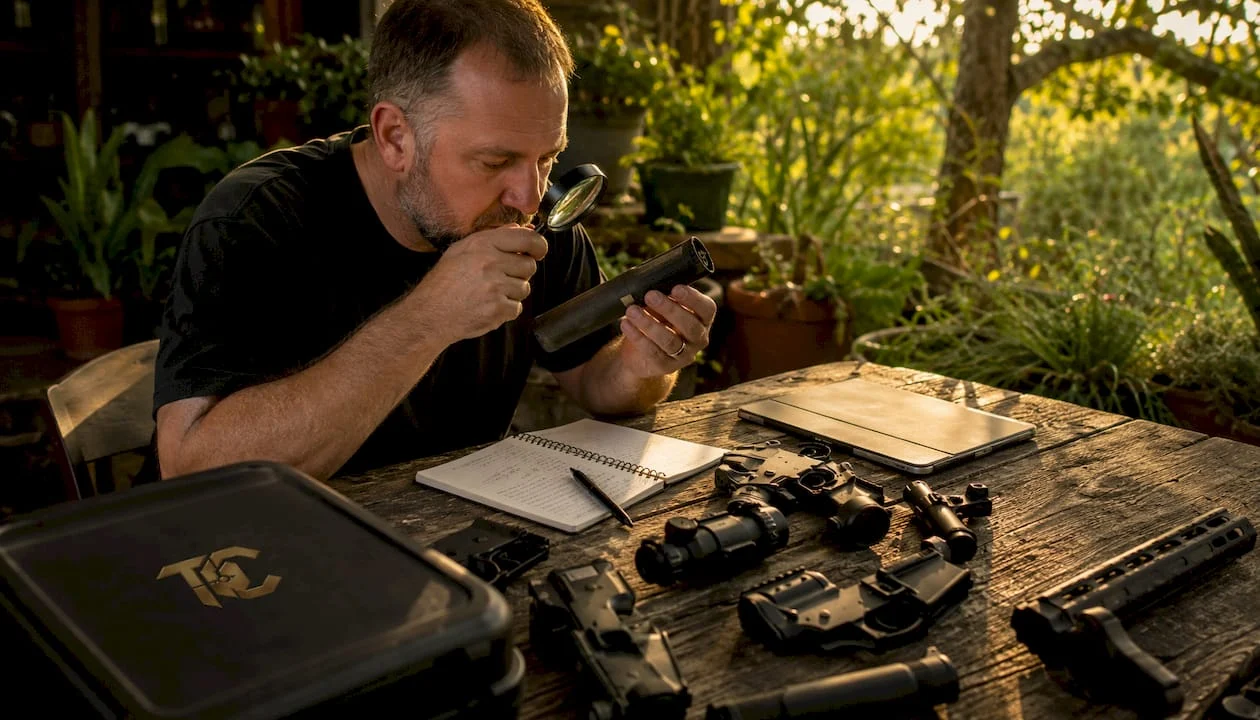
Serialized accessories are firearm components assigned a unique serial number, allowing each individual unit to be tracked from manufacture through every transfer and service event. Unlike a box of cleaning patches or a generic sling tracked only by quantity, a serialized accessory carries its own identity. That identity follows it through the supply chain, across ownership changes, and into every warranty or maintenance record it generates.
Here is what that means in practice:
- Each unit receives a unique identifier, not shared with any other item of the same model
- The serial number links the accessory to a specific owner, purchase date, and service history providing detailed traceability
- Serialized tracking enables precise recall management, targeting only affected units rather than entire product lines
- Serialization is typical for high-value or regulated components, including items like suppressors, serialized uppers, and certain optics
- Non-serialized accessories are tracked at the SKU or quantity level only, with no individual unit identity
How serialized and non-serialized accessories differ
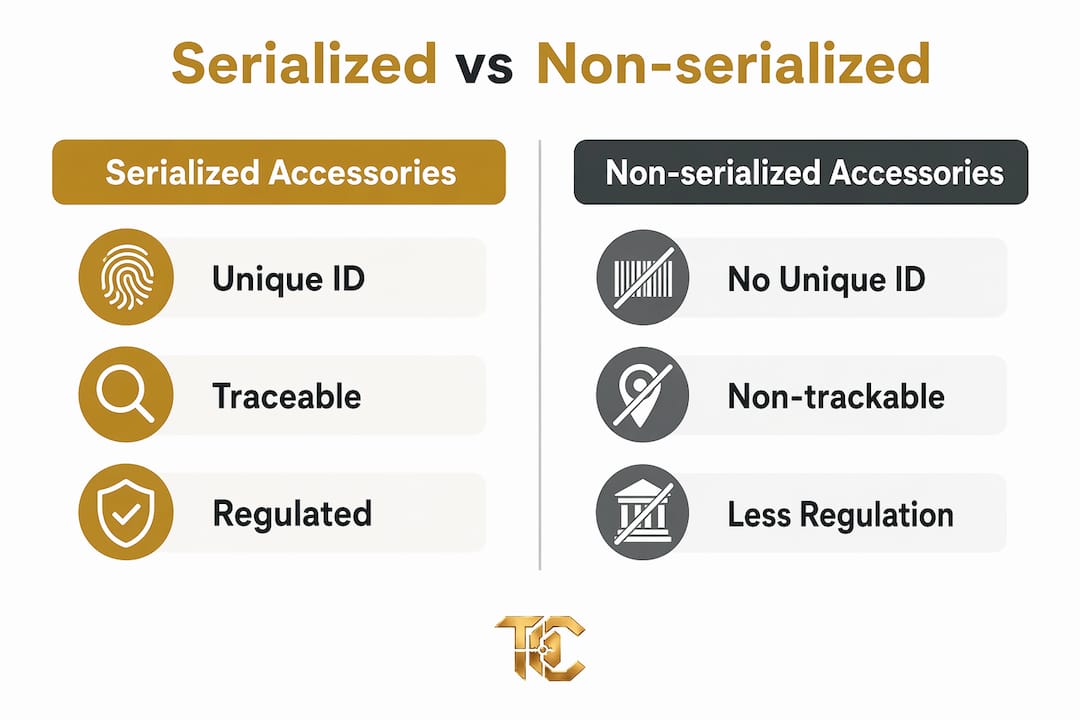
The core distinction is simple: serialized accessories are uniquely identified at the unit level, while non-serialized accessories are counted in bulk. A serialized suppressor has its own number; a pack of grip tape does not.
| Feature | Serialized accessories | Non-serialized accessories |
|---|---|---|
| Tracking method | Individual serial number per unit | SKU or quantity only |
| Warranty management | Linked to specific unit and owner | Batch or purchase-date based |
| Recall precision | Targets only affected serial numbers | Affects entire product lot |
| Resale documentation | Full history available | Limited or no history |
| Regulatory compliance | Required for certain firearm components | Generally not required |
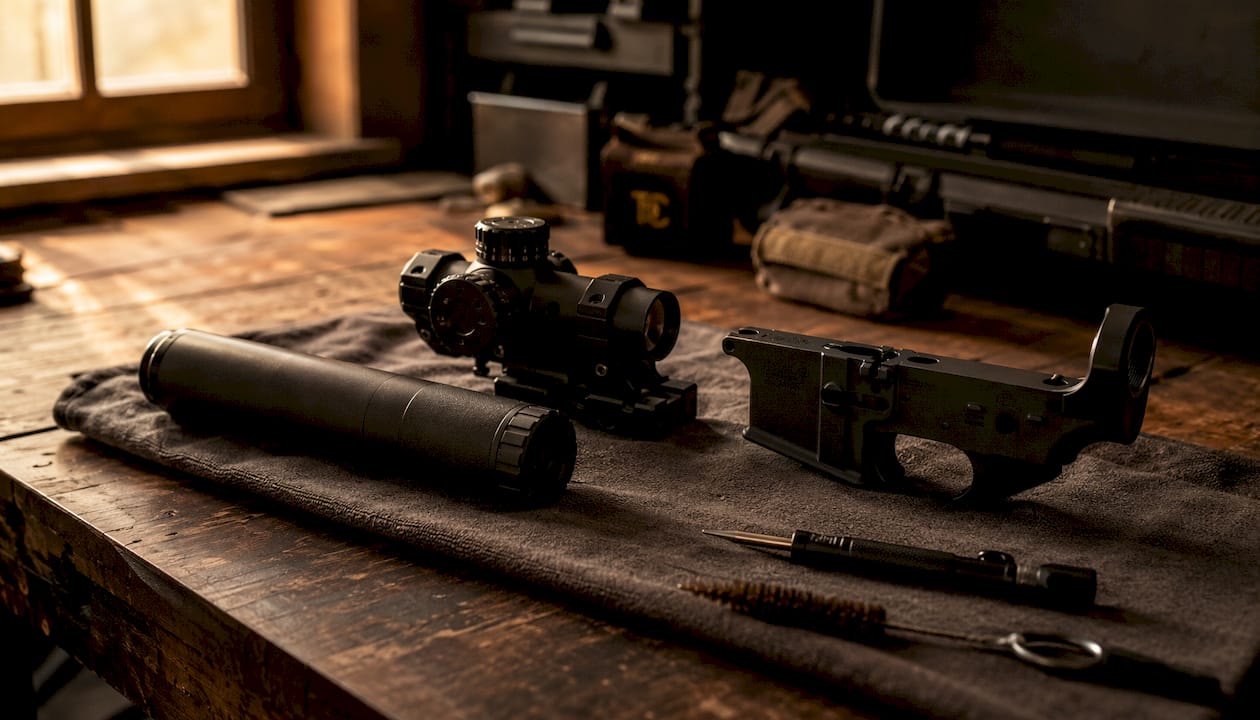
Common serialized accessories include suppressors, serialized lower receivers, and certain optics with manufacturer serial numbers. Non-serialized accessories typically include cleaning kits, slings, handguards without regulatory requirements, and general maintenance supplies.
Why serialization benefits responsible firearm owners
Serialization does more than satisfy a regulatory checkbox. It creates a verifiable record that protects you as a buyer, a seller, and an owner throughout the life of the component.
- Authenticity verification: A serial number lets you confirm a part is genuine, not a counterfeit. Experts highlight that serialization protects buyers by authenticating parts and blocking counterfeit accessories from entering the market.
- Fraud prevention: Individual tracking makes it far harder to pass off stolen or misrepresented components.
- Warranty claims: Manufacturers can verify the exact unit, its purchase date, and its service history before honoring a claim.
- Recall management: When a defect surfaces, precise recall targeting isolates only the affected serial numbers, protecting owners of unaffected units.
- Resale value: A documented service history tied to a serial number gives buyers confidence and supports a stronger asking price.
Pro Tip: Keep a digital copy of every serial number for your accessories stored separately from the physical components. If a part is lost, stolen, or involved in a legal matter, that record is your fastest path to resolution.
How serialization affects ownership, maintenance, and resale
Owning a serialized accessory comes with a straightforward responsibility: keep the record current. Digital service records linked to a specific serial number give you a complete maintenance history, which matters when a warranty claim arises or when you sell the component.
Responsible ownership practices include following the firearm safety rules explained for responsible owners to ensure proper handling and documentation.
- Recording the serial number at the point of purchase, not after the fact
- Linking each accessory’s serial number to the parent firearm in your records
- Documenting every service event, including the date, technician, and work performed
- Retaining transfer paperwork when a serialized accessory changes hands
- Checking local and federal requirements before transferring regulated serialized components
For tactical accessories that affect performance or safety, this documentation is not optional. It is the difference between a clean transfer and a legal headache.
Common misconceptions about serialized firearm accessories
A lot of firearm owners assume that serialization applies to every part on their build. It does not. Serialization works best when applied to high-value or safety-critical components, not every minor part. Applying it universally creates administrative overhead without proportional benefit.
Common misconceptions to correct:
- “All firearm parts must be serialized.” Federal law requires serialization for specific components, primarily receivers. Many accessories carry no such requirement.
- “A serial number guarantees legal compliance.” Serialization supports compliance but does not replace proper transfer documentation, background checks, or state-level requirements.
- “Non-serialized accessories are lower quality.” Serialization reflects regulatory status and value tier, not manufacturing quality.
- “Serializing everything is best practice.” Industry best practice is to serialize components that materially affect firearm safety or performance, balancing traceability with practical management.
Legal requirements for serialized firearm accessories in the United States
Federal law, administered by the Bureau of Alcohol, Tobacco, Firearms and Explosives (ATF), mandates serial numbers on firearm receivers and frames. Suppressors fall under the National Firearms Act and require registration with a unique serial number. Serialized inventory tracking also supports lawful transfer and ownership documentation across state lines, where requirements vary.
State laws add another layer. Some states require serialization on 80% lowers or privately made firearms before they can be transferred. If you build or modify a firearm component, check both ATF guidance and your state’s statutes before assuming a part is exempt. For a broader look at your rights and responsibilities, Tungstencreektactical’s guide on legal firearm ownership covers the key federal and state frameworks clearly.
How accessories get serialized and recorded
Serialization typically begins at the manufacturer, where a unique number is engraved, stamped, or laser-etched onto the component. That number is then registered in the manufacturer’s system and, for regulated items, reported to the ATF. Serial numbers can be captured at the point of sale or at inventory intake, depending on the retailer’s system. Professional inventory platforms link each serialized accessory to its parent serialized unit, building a complete service history across every transaction.
For the firearm owner, the process is straightforward: when you purchase a serialized accessory, the retailer records your serial number against the sale. From that point, every warranty claim, service event, or transfer gets logged against that number. The result is a clean, verifiable chain of custody.
How serialization stops counterfeits and verifies authenticity
Counterfeit firearm accessories are a real problem in the U.S. market, particularly for optics, suppressors, and aftermarket triggers. Serialization is one of the most direct defenses. When a part carries a manufacturer-registered serial number, you can verify it against the manufacturer’s records before installation. A part without a traceable number, or with a number that does not match manufacturer records, is a red flag.
Skillful management of serialized accessories creates a digital audit trail linking each part to a specific firearm, supporting both resale value and maintenance transparency. For firearm owners who take their gear as seriously as their coffee or their carry setup, that paper trail is worth maintaining from day one. You can also explore serialized firearms basics for a deeper look at how this tracking system applies to the firearm itself.
Key Takeaways
Serialized accessories give firearm owners a traceable, verifiable record for every high-value or regulated component they own, from purchase through resale.
| Point | Details |
|---|---|
| Serialized accessory definition | Each unit carries a unique serial number enabling individual tracking across ownership and service events. |
| Serialized vs. non-serialized | Non-serialized accessories are tracked by quantity only; serialized units have full individual histories. |
| Core benefits | Serialization supports warranty claims, recall precision, fraud prevention, and resale documentation. |
| Legal requirements | ATF mandates serial numbers on receivers and NFA items; state laws vary for other components. |
| Best practice | Serialize safety-critical and high-value components; document every service event against the serial number. |
Ready to build out your serialized gear with confidence? Tungstencreektactical’s custom gun services pair precision craftsmanship with the transparency you need for every component in your build.
Recommended
Related Post

Discover the 5 ways
An introduction to Tactical Luxury Guns & Coffee We founded
Top 5 Best PCC’s
In 2026, the Pistol Caliber Carbine (PCC) market is no