How Lifestyle Branding Shapes Firearms Culture and Community
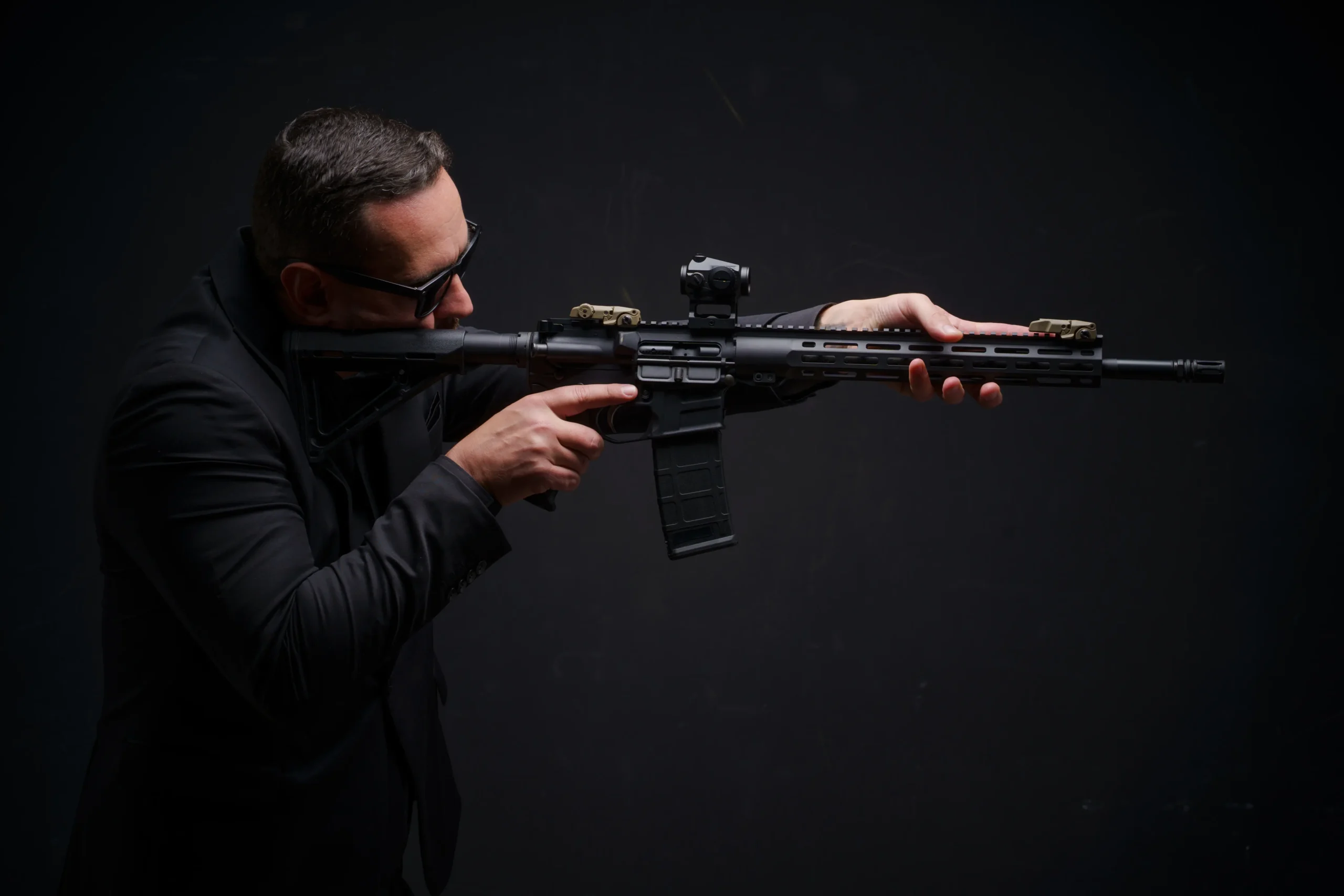
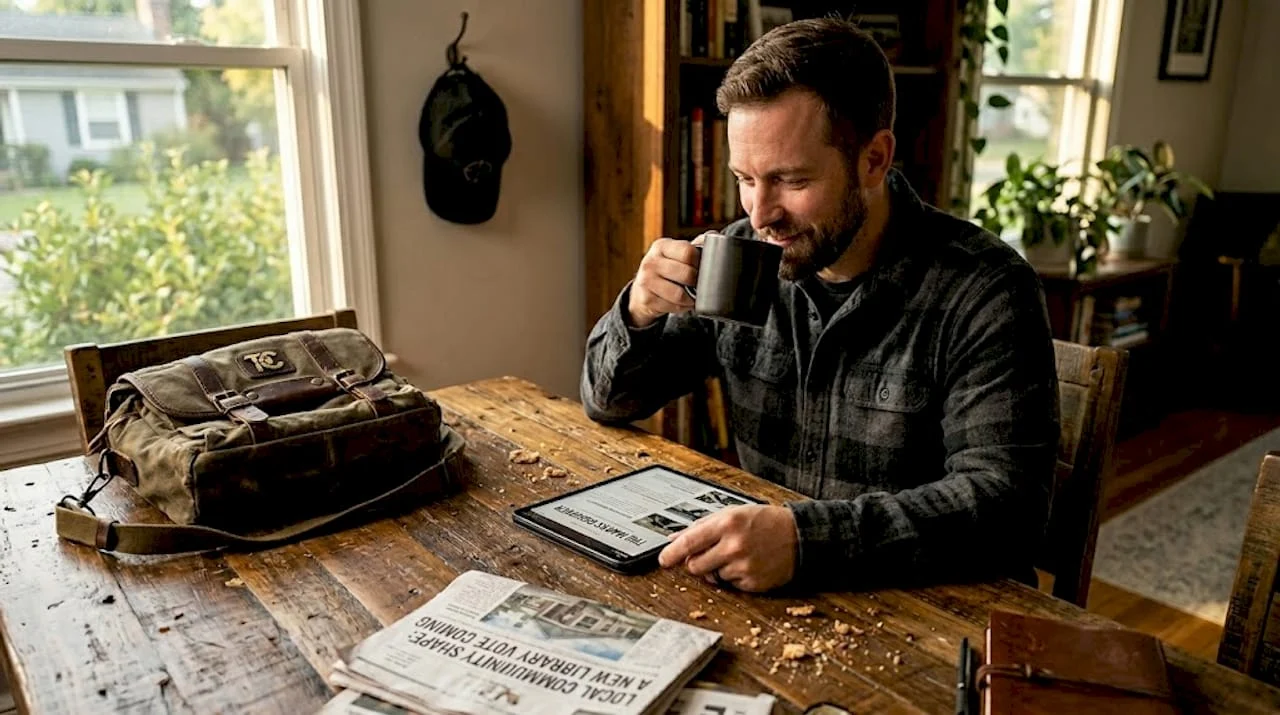
The firearms industry is undergoing a transformation that goes well beyond ballistics charts and trigger pull specs. Today, the brands that earn genuine loyalty do so by connecting with their customers on shared values, identity, and experience. Firearms industry shifts to lifestyle branding to attract younger consumers are creating experiential retail environments like shooting ranges combined with bars and coffee shops, a clear signal that buying a firearm is now as much about community as it is about capability. If you’ve noticed firearm brands looking more like outdoor lifestyle companies, there’s a very deliberate strategy behind that.
Table of Contents
- What is lifestyle branding in the firearms industry?
- The evolution of gun culture through branding
- Storytelling, heritage, and emotional connection: The new frontier
- Lifestyle branding for new audiences: Youth, women, and tactical enthusiasts
- Why emotional branding matters more than specs for the responsible owner
- Discover quality gear and lifestyle solutions at Tungsten Creek Tactical
- Frequently asked questions
Key Takeaways
| Point | Details |
|---|---|
| Emotional connection sells | Lifestyle branding centers on values, community, and story, not just features. |
| Branding evolves with culture | The firearms industry’s branding now celebrates empowerment, diversity, and personal identity. |
| Storytelling drives results | Heritage narratives measurably boost sales and loyalty, as seen with Remington’s campaigns. |
| Youth and women reshape the market | Modern branding strategies prioritize inclusivity and tactical lifestyle trends to engage new audiences. |
| Choose brands with values | Support companies that align with your values for lasting satisfaction beyond specs. |
What is lifestyle branding in the firearms industry?
To understand what’s happening in firearms marketing, you first need to separate lifestyle branding from traditional product marketing. Traditional product marketing focuses on features. Caliber. Capacity. Trigger weight. Finish quality. All relevant, all useful, but none of them explain why someone feels a sense of identity attached to a particular brand.
Lifestyle branding, by contrast, is about emotional connection, community, and experiences over specs, targeting responsible owners who value quality gear. It asks a different question: not “what does this product do?” but “who does this product say you are?” That shift is meaningful, and it’s especially powerful in a regulated industry where advertising options are constrained and traditional marketing channels aren’t always available.
Here’s what lifestyle branding actually looks like in practice for firearms companies:
- Experience-driven retail: Brands partner with or build shooting ranges, cafes, and training facilities that turn a transaction into an event.
- Gear and apparel integration: Hats, jackets, bags, and accessories carry brand identity into everyday life, far beyond the range.
- Community focus: Online forums, ambassador programs, and brand-sponsored events create belonging rather than just sales.
- Value-first messaging: Advertising centers on preparedness, responsibility, and self-reliance rather than product specs alone.
- Lifestyle content: Social media, podcasts, and video content that reflect a broader way of life, not just a product catalog.
Understanding technology’s impact on firearms is part of this story too, because digital tools now play a major role in how brands build and sustain these lifestyle communities.
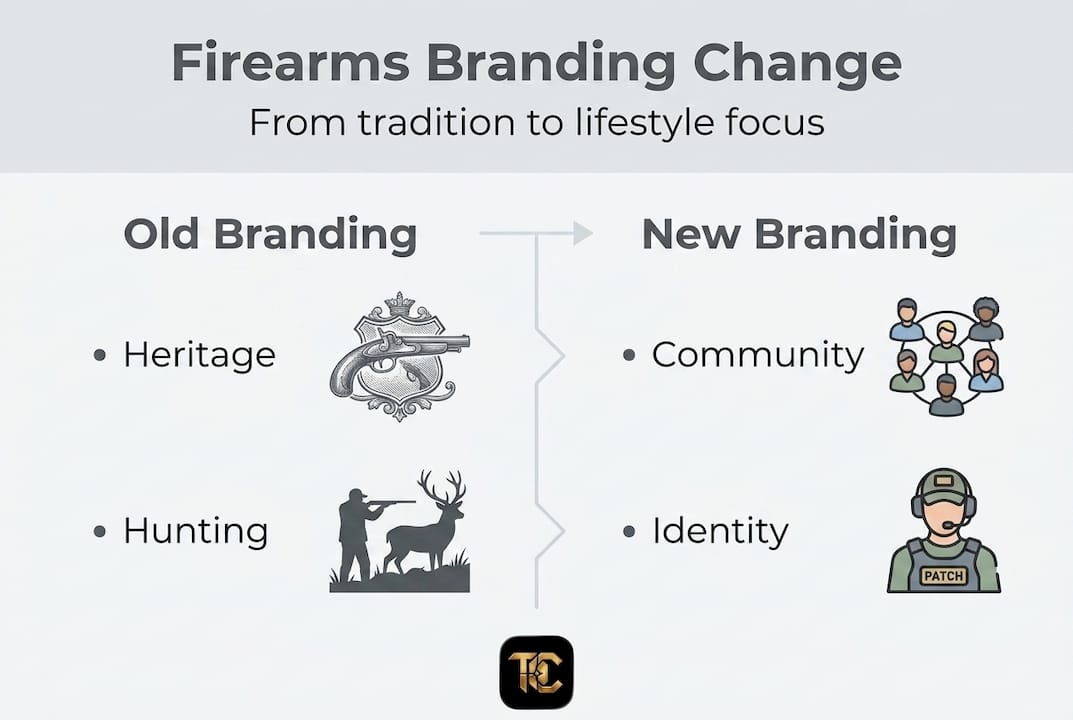
The lifestyle branding essentials that work in other industries apply here just as well: consistency, authenticity, and a clear point of view that resonates with a specific audience. In firearms, that audience is increasingly defined by shared values around personal protection, quality craftsmanship, and a love for the culture surrounding responsible ownership.
Pro Tip: When evaluating a firearms brand, look past the product specs and examine how the company talks to its community. Brands that build genuine connection through content, events, and shared values are more likely to stand behind their products long term.
The evolution of gun culture through branding
Branding in the firearms industry didn’t start with Instagram influencers or tactical streetwear. It has a long, document-able history that tells the story of shifting American culture. Researchers who studied gun advertising across decades found that gun ads evolved from Gun Culture 1.0 centered on hunting and tradition, to Gun Culture 2.0 emphasizing self-defense and concealed carry by the 2010s, reflected in publications like Guns magazine.
That shift is more than cosmetic. It represents a fundamental change in who buys firearms and why. The hunter buying a bolt-action rifle for deer season has different values and identity markers than the urban professional choosing a concealed carry pistol for daily protection. Brands that recognized this early and adjusted their messaging gained enormous market share.
“Brands like Winchester use licensing for apparel and accessories to extend lifestyle appeal beyond firearms, creating touchpoints in everyday life that reinforce brand identity without ever requiring a firearm purchase.”
Here’s a simplified timeline of how firearm brand strategy evolved:
- Pre-1980s: Marketing focuses on utility, hunting, and sport shooting. Imagery centers on wilderness, tradition, and family heritage.
- 1980s to 1990s: Law enforcement and military influences begin entering consumer marketing. Tactical design elements appear in catalogs.
- 2000s: The concealed carry movement accelerates. Brands shift messaging toward personal protection and civilian self-defense.
- 2008 and after: The Heller Supreme Court decision reinforces the individual right to bear arms. Marketing becomes more assertive about self-defense as a lifestyle choice.
- 2015 to present: Tactical streetwear, lifestyle apparel, and experiential retail emerge. Brands like 5.11 Tactical and Qilo build entire identities around the intersection of preparedness and everyday style.
| Era | Core message | Target audience | Key imagery |
|---|---|---|---|
| Gun Culture 1.0 (pre-2000) | Tradition, sport, hunting | Male, rural, older | Forests, wildlife, family |
| Transition (2000s) | Protection, duty, reliability | Law enforcement adjacent | Tactical gear, uniforms |
| Gun Culture 2.0 (2010s+) | Empowerment, self-defense | Urban, diverse, younger | EDC gear, concealed carry |
| Lifestyle era (2020s) | Identity, community, premium | Broad demographic | Apparel, coffee, events |
This evolution matters for your firearm buying journey because understanding where a brand sits in this timeline tells you a lot about how they’ll support you as a customer after the sale.
Storytelling, heritage, and emotional connection: The new frontier
Numbers matter in business, but stories close sales and build lasting loyalty. Remington is one of the clearest examples of this in action. Remington campaigns saw a 12% lift in centerfire ammunition sales through heritage storytelling combined with strategic product launches, proving that connecting a brand’s history to a customer’s present-day identity has measurable commercial value.

What does that look like in practice? Remington doesn’t just tell you its ammunition is accurate. It reminds you that Remington has been trusted by American hunters and soldiers since 1816, that this same reliability has carried through generations of American history. That kind of messaging doesn’t just sell a product. It sells membership in something larger.
Understanding how to use storytelling for brand recognition is now a core competency for any serious firearms company. The brands doing this well share certain characteristics that separate authentic storytelling from hollow marketing.
Here’s how to tell the difference:
Signs of authentic brand storytelling:
- The brand’s history is specific, verifiable, and directly connected to product quality.
- Customer stories and testimonials focus on real-world use and outcomes, not just excitement.
- Heritage claims are backed by actual milestones, not vague references to being “trusted for generations.”
- The brand shows vulnerability, admitting past challenges and explaining how they improved.
- Community members feel like collaborators, not just consumers.
Signs of forced or hollow storytelling:
- Vague references to “craftsmanship” and “tradition” with no supporting evidence.
- Heavy focus on celebrity endorsements without substance behind the product.
- Lifestyle imagery that looks aspirational but doesn’t connect to anything the brand actually delivers.
- Marketing language that feels borrowed from adjacent industries without genuine integration.
The connection between heritage and trust works similarly to how you might evaluate a hand-selected cigar or a single-origin coffee. You’re not just buying the product. You’re buying the process, the sourcing decisions, and the philosophy behind it. Brands that understand craftsmanship in firearms translate that same principle into every piece of their marketing.
| Brand campaign type | Measured impact | Key strategy |
|---|---|---|
| Heritage storytelling (Remington) | 12% lift in ammo sales | Connecting product to American legacy |
| Community events (range days) | Higher repeat purchase rates | Building in-person brand experience |
| Apparel licensing (Winchester) | Expanded daily brand visibility | Lifestyle touchpoints beyond firearms |
| Tactical lifestyle content (digital) | Stronger social engagement | Identity-driven content marketing |
Pro Tip: When you’re choosing between two otherwise similar products, look at how each brand explains its own history. A company that can tell you specifically why it made design decisions, and what customer feedback shaped those choices, is giving you a window into how seriously it takes its product development.
Lifestyle branding for new audiences: Youth, women, and tactical enthusiasts
The most significant growth in firearms sales over the past decade hasn’t come from the traditional buyer profile. It’s come from demographics that previous industry marketing largely ignored. Understanding how lifestyle branding reaches these groups explains a lot about why the industry looks and sounds so different today.
Tactical streetwear is one of the clearest examples of youth-oriented lifestyle branding working at scale. Qilo blends gun culture with fashion, achieving $3 million in sales in 2025 by appealing to young tactical enthusiasts who want to express their identity through what they wear, not just what they carry. This isn’t about selling firearms. It’s about building a world that firearms belong to, a world defined by preparedness, self-reliance, and a certain aesthetic confidence.
“When a brand speaks directly to who you are, not just what you need, it stops being a vendor and starts being part of your identity.”
For women, the shift has been even more dramatic. Marketing to women shifted from sexualized imagery to empowerment and self-defense messaging after the 2008 Heller decision, proving significantly more effective for actual sales. This matters because it shows that lifestyle branding isn’t just aesthetic. It’s strategic. When brands stop treating a demographic as an afterthought and start centering their specific values and concerns, the results show up in revenue.
Here’s how brands strategically engage each major demographic:
- Youth and tactical enthusiasts: Partner with content creators, sponsor training events, produce lifestyle-forward apparel, and build social media communities that celebrate preparedness as an identity rather than a niche interest.
- Women: Lead with self-defense education, feature women instructors and ambassadors, design products with ergonomics suited to a wider range of hand sizes, and create community spaces where women are centered rather than included as an afterthought.
- Experienced owners and collectors: Focus on craftsmanship, heritage, and exclusivity. Limited editions, custom gun design options, and detailed technical content validate their expertise and deepen brand loyalty.
- New firearm owners: Use clear, jargon-free educational content, emphasize safety and responsibility, and create onboarding experiences that build confidence rather than overwhelming with options.
The brands that get this right aren’t just selling to these groups. They’re building communities that those groups genuinely want to belong to. That’s the power of lifestyle branding done with intention and respect for the audience.
Why emotional branding matters more than specs for the responsible owner
Here’s a perspective that might challenge how you think about choosing gear: specs are the floor, not the ceiling. Accuracy, reliability, and build quality are table stakes. Every reputable manufacturer clears those bars. What actually determines long-term satisfaction and loyalty is something harder to quantify but easier to feel.
The brands that earn sustained loyalty do so because they treat their customers as partners in a shared set of values. When you purchase from a company that has a clear story, a genuine community, and a demonstrated commitment to quality beyond the transaction, you’re not just buying a product. You’re investing in a relationship that will pay out in better service, better information, and better accountability.
We’ve seen this consistently: responsible owners who choose brands based on shared values rather than spec sheets alone report higher overall satisfaction. They’re also more likely to get useful post-purchase support, because brands that care about community take customer feedback seriously and act on it. It’s the difference between a brand that wants to sell you something once and one that wants to earn your trust for the next twenty years.
Knowing how to keep your gear performing is part of that relationship too. Maintaining your firearms properly is easier when a brand actually invests in educating you, not just in selling to you.
The uncomfortable truth is that many buyers make purchase decisions based on marketing that promises an identity without delivering real substance. They buy the hat, the shirt, the lifestyle imagery, and then discover the brand doesn’t answer support questions well or stand behind its products when problems arise. Vetting a brand’s storytelling authenticity before you buy is just as important as reading the specs.
When you find a brand that combines technical excellence with genuine community investment, honest communication, and a clear point of view, hold onto it. That combination is rarer than it should be, and it’s worth supporting.
Discover quality gear and lifestyle solutions at Tungsten Creek Tactical
If the principles in this article resonate with how you think about gear, community, and the brands worth supporting, Tungsten Creek Tactical is built on exactly those principles. We don’t separate the lifestyle from the quality. They’re the same thing.
Whether you’re exploring custom guns built around your specific needs, browsing premium gear and apparel that reflects your values, or looking for a solid firearm maintenance guide to keep your investment performing at its best, we’ve built Tungsten Creek Tactical to serve responsible owners who expect more than a transaction. Our mobile app lets you scan products, compare pricing, and unlock VIP benefits, because informed buyers make better decisions and better-equipped owners. Come see what a brand with a clear story looks like in practice.
Frequently asked questions
What is the main goal of lifestyle branding in firearms?
Lifestyle branding aims to build emotional connection and community rather than focusing only on product specs, helping brands stand out in a regulated and competitive market.
How has firearm branding changed in recent years?
It has moved from tradition-focused hunting imagery to empowerment and self-defense themes, with gun ads evolving through Gun Culture 2.0 to reflect a broader, more diverse customer base by the 2010s.
How do brands use storytelling to sell firearms and gear?
Brands connect their heritage to a customer’s present identity and values, and data shows that approach delivers real results: Remington saw a 12% lift in centerfire ammo sales through heritage-driven campaigns.
Why are younger buyers and women important in lifestyle branding?
These groups represent significant untapped market growth, and brands that adapt their messaging to reflect empowerment and inclusivity have proven more effective. Marketing to women shifted from objectifying imagery to self-defense empowerment post-2008, driving stronger sales results.
What are real-life examples of lifestyle branding in this industry?
Brands like Winchester use apparel licensing, Remington leans on heritage storytelling, and tactical streetwear companies like Qilo blend fashion with gun culture to hit $3 million in sales in 2025, reaching younger buyers who want identity-driven gear.
Recommended
Related Post
Discover the 5 ways
An introduction to Tactical Luxury Guns & Coffee We founded
Top 5 Best PCC’s
In 2026, the Pistol Caliber Carbine (PCC) market is no