
Why Choose Hybrid Holsters for Concealed Carry
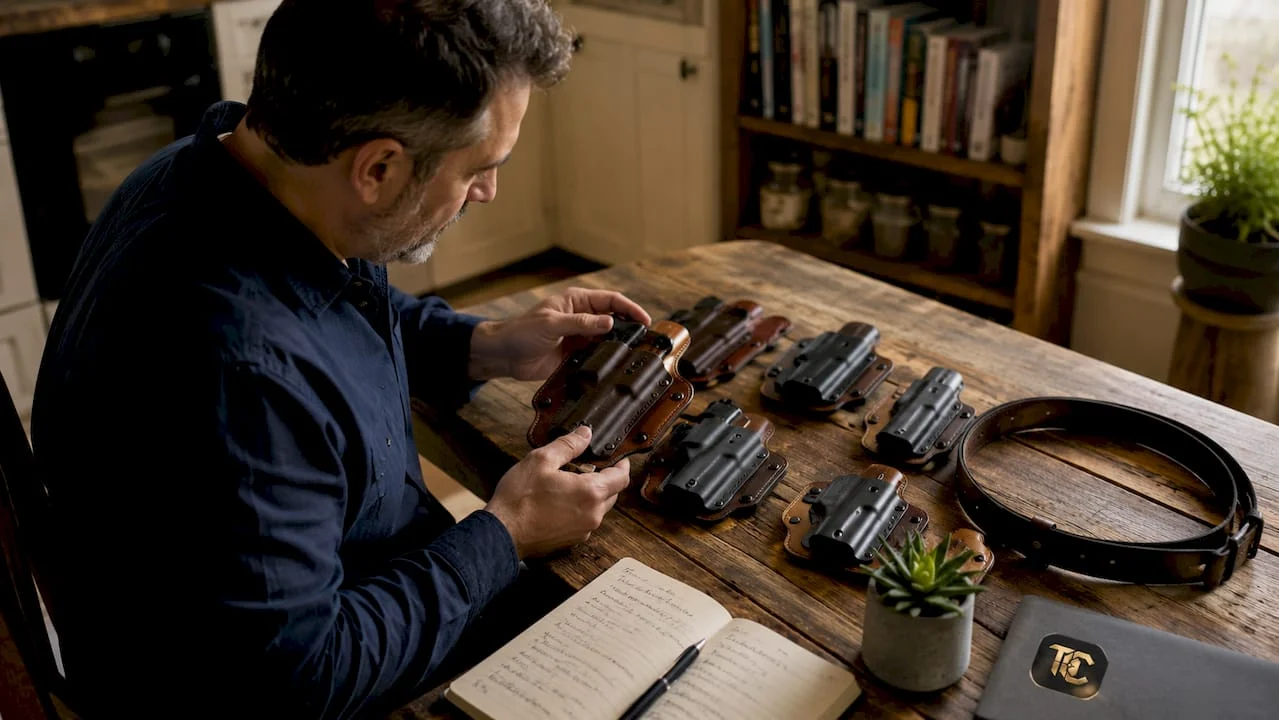
A hybrid holster is defined as a concealed carry accessory that pairs a molded Kydex or polymer retention shell with a leather or synthetic soft backing, delivering both firearm security and all-day comfort. This combination solves the core problem every carrier faces: rigid holsters protect the gun but punish the body, while soft holsters feel good but sacrifice retention. Understanding why choose hybrid holsters means understanding this tradeoff and how the hybrid design resolves it. The sections below cover materials, practical benefits, real limitations, and how to select and maintain the right holster for your carry setup.
Why choose hybrid holsters over single-material designs?
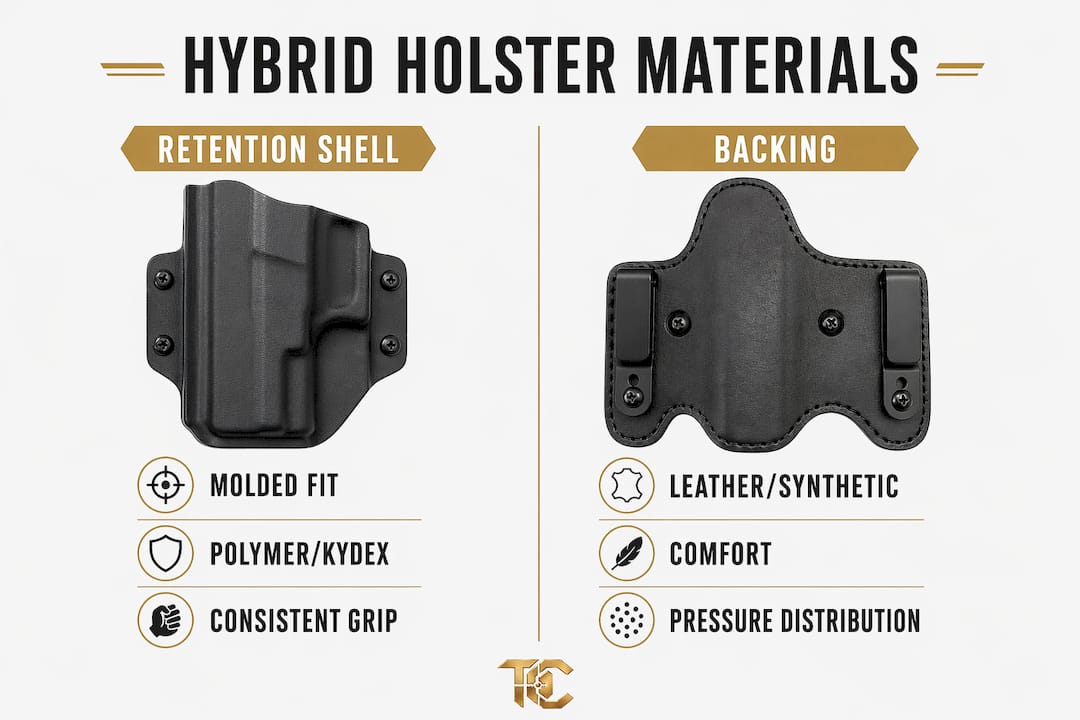
The answer comes down to what each material does well. Hybrid holsters combine a hard molded polymer or Kydex shell with a leather or synthetic backing roughly 1/8 inch thick, giving you trigger guard protection and body comfort in one unit. Neither material alone achieves both goals. Full Kydex digs into skin during extended wear. Full leather lacks the rigid retention needed for a reliable draw.
The molded shell locks the firearm in place with consistent, repeatable retention. The soft backing sits against your body and absorbs the pressure that would otherwise come from hard plastic edges. This is the core hybrid holster advantage that makes the design worth considering for daily carry.
What materials are used in hybrid holsters?
The Kydex or polymer shell
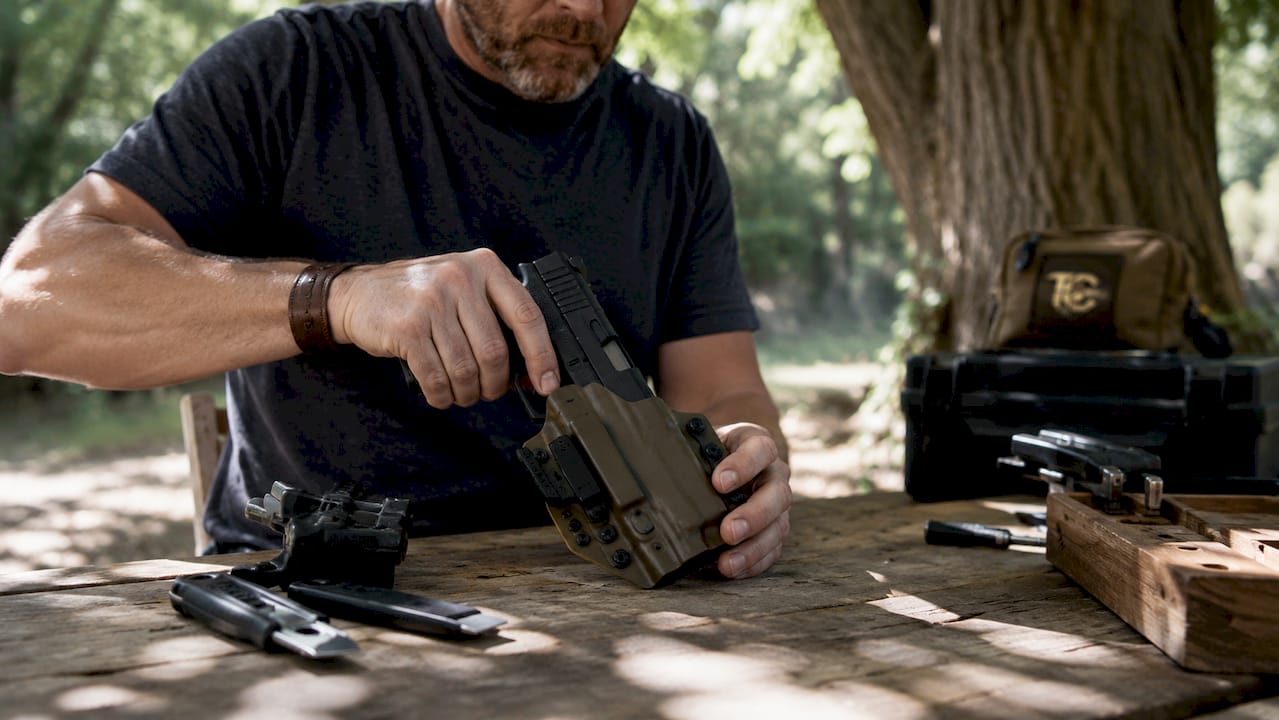
The outer shell is thermoformed directly to a specific firearm model. That means the fit is exact, not approximate. The shell covers the trigger guard completely, which prevents foreign objects from contacting the trigger during carry. Retention is set by the shell’s tension, and most quality designs include adjustable retention screws so you can tighten or loosen the hold to match your draw preference.
The leather or synthetic backer
Quality leather backers use 7–8 oz leather, which is thick enough to resist collapse and maintain firearm security over years of daily wear. Thinner leather compresses over time and loses its shape, which degrades both comfort and retention. Synthetic backers, often made from neoprene or similar materials, offer better moisture management and resist sweat damage in humid climates. Leather breathes more naturally but requires conditioning to stay supple.
Key design features to evaluate when choosing a hybrid holster:
- Belt clip placement: Clips spaced wider apart distribute weight more evenly and reduce holster tilt during movement.
- Tuckability: Some models allow you to tuck a shirt over the holster for deeper concealment, with clips that hook over the belt and stay hidden.
- Backer size: A wider backer spreads the firearm’s weight across more surface area, reducing pressure points.
- Cant adjustment: The angle of the holster relative to your belt affects draw speed and comfort at the hip.
Pro Tip: When evaluating leather quality, press your thumb firmly into the backer. Quality 7–8 oz leather resists compression and springs back. Thin or low-grade leather will dent and stay dented, which signals early failure under daily carry conditions.
What are the main benefits of a hybrid holster for everyday carry?
Hybrid holsters earn their place in the concealed carry market by solving real problems that single-material designs cannot. Here are the primary advantages, ranked by practical impact:
-
All-day comfort. Leather contours to the body, reducing pressure points and discomfort compared to full-Kydex holsters that press hard plastic directly against skin. Carriers who wear a holster for 10 or more hours daily feel this difference clearly.
-
Reliable retention. The rigid shell holds the firearm in a fixed position. The gun does not shift, tilt, or work loose during physical activity. This matters most during bending, sitting, or running.
-
Weight distribution. The wider leather backing spreads the firearm’s weight like a tank tread across a larger surface area, eliminating the concentrated pressure that causes hot spots and chafing after hours of wear.
-
Adjustable fit. Retention screws and cant adjustment let you personalize the draw angle and tension to match your body shape and carry position. This level of customization is not available in most fixed-design holsters.
-
Versatility across clothing styles. Hybrid holsters work well under untucked shirts, light jackets, and casual wear. Tuckable models extend that range further, making the same holster usable across different dress codes.
Strong-side hip carry, typically between the 3 o’clock and 5 o’clock positions, is where hybrid holsters perform best. The backer conforms to the natural curve of the hip, and the wider footprint sits flush against the body without creating visible printing under most clothing.
What are the limitations of hybrid holsters?
Balanced judgment requires acknowledging where hybrid holsters fall short. Knowing the drawbacks helps you avoid common mistakes and make a better buying decision.
-
Appendix carry is problematic. Hybrid holsters are generally unsuitable for appendix inside-the-waistband carry. The larger footprint causes printing at the front of the waistband, and the design lacks the retention accessories like claws or wedges that appendix-specific holsters use to pull the grip tight to the body.
-
A stiff gun belt is non-negotiable. Hybrid holsters require a stiff belt to stay in place. The flexible leather backer that creates comfort also allows movement if the belt cannot hold the holster firmly. A dress belt or thin casual belt will let the holster sag and rotate throughout the day.
-
Reholstering demands visual confirmation. The soft backing provides no tactile warning if clothing folds into the trigger guard during reholstering. Carriers must look at the holster mouth and clear any obstruction before seating the firearm. This is not optional. Skipping this step creates a real discharge risk.
-
Comfort is not universal. Hybrid holsters suit most strong-side carriers well, but body shape, waist size, and clothing fit all affect the experience. A carrier with a narrow waist may find the wider backer creates pressure in unexpected places.
Pro Tip: Pair your hybrid holster with a dedicated gun belt rated for at least 1.5-inch width. A quality gun belt is as important as the holster itself. Without it, even a well-made hybrid will shift, sag, and underperform.
How to select and maintain a hybrid holster for long-term performance
Choosing the right hybrid holster and caring for it properly extends its useful life and keeps your carry safe and comfortable. Follow these steps:
-
Match the holster to your exact firearm model. Hybrid holsters are model-specific. A holster made for a Glock 19 will not fit a Glock 17 correctly. Confirm the make, model, and any modifications like lights or optics before ordering.
-
Evaluate leather thickness and Kydex quality. Look for 7–8 oz leather backers and Kydex shells with consistent thickness throughout. Thin spots in the shell create weak retention zones that fail under pressure.
-
Adjust retention before you carry. Set the retention screw so the firearm clicks in firmly but draws smoothly with a deliberate pull. Test the draw at least 20 times before carrying. Explore firearm accessories that complement your holster setup for a complete carry system.
-
Condition the leather regularly. Apply a leather conditioner every 60–90 days under normal use. Sweat accelerates leather drying and cracking. Proper maintenance including conditioning and keeping both shell and backer dry extends a hybrid holster’s lifespan to many years with daily use.
-
Inspect for wear and replace when needed. Check the retention shell for cracks, the leather for stiffness or delamination, and the belt clips for bending or loosening. A holster that no longer holds the firearm securely or sits properly on the belt is a safety liability, not a money-saving choice.
Pro Tip: Store your holster flat or on a holster hanger when not in use. Leaving it compressed under weight distorts the leather backer and can affect how the shell aligns with the firearm over time.
Key Takeaways
Hybrid holsters are the most practical daily carry option for strong-side carriers who need reliable retention without sacrificing comfort during extended wear.
| Point | Details |
|---|---|
| Material construction matters | Choose 7–8 oz leather backers and precisely molded Kydex shells for lasting retention and comfort. |
| Strong-side carry is the best fit | Hybrid holsters perform best at the 3–5 o’clock position; appendix carry creates concealment problems. |
| A stiff gun belt is required | Without a dedicated gun belt, even a quality hybrid holster will sag and shift during daily activity. |
| Reholstering requires visual confirmation | Always look at the holster mouth before seating the firearm to prevent trigger guard obstruction. |
| Regular maintenance extends lifespan | Condition leather every 60–90 days and inspect clips and shell for wear to maintain safe performance. |
What I’ve learned after years of carrying hybrid holsters
I spent a long time rotating through different holster types before settling on hybrids for my everyday carry. Full Kydex is excellent for range use and short-duration carry, but after six or eight hours, the hard edges become genuinely uncomfortable. Full leather felt better against the body but never gave me the consistent retention I wanted for a fast, reliable draw.
The hybrid design solved both problems, but it took me longer than it should have to understand the belt requirement. My first hybrid holster felt unstable and I blamed the holster. The real problem was a cheap dress belt that had no business holding a firearm. Once I switched to a proper gun belt, the holster performed exactly as designed.
The reholstering caution is the one point I see carriers dismiss too quickly. With a full-Kydex holster, the rigid mouth gives you tactile feedback. With a hybrid, you get none of that. I now treat every reholster as a deliberate, two-step action: look first, then seat the gun. That habit takes about three seconds and eliminates a real risk.
If you carry in a professional environment and need to dress around your holster, a tuckable hybrid is worth the investment. The ability to tuck a dress shirt over the clips while keeping the firearm accessible is a practical advantage that most other designs cannot match. Consider your holster type options carefully before committing to any single design.
— Brian
Tungstencreektactical has the gear to match your carry setup
Choosing the right holster is only part of building a reliable carry system. Tungstencreektactical carries a curated selection of tactical accessories designed to complement your holster choice, from quality gun belts to firearm-specific gear built for daily use.

If you are ready to pair your holster with a firearm built for concealed carry, the team at Tungstencreektactical can help you find the right fit. Browse custom firearms and precision builds matched to your carry needs, backed by expert guidance and a commitment to quality that does not cut corners. Your carry setup deserves the same care you put into choosing the holster itself.
FAQ
What is a hybrid holster?
A hybrid holster combines a molded Kydex or polymer shell with a leather or synthetic soft backing. The shell provides trigger guard protection and retention while the backing improves comfort during extended wear.
Are hybrid holsters good for all-day carry?
Hybrid holsters are well-suited for all-day strong-side carry because the soft backing distributes pressure and reduces hot spots. Carriers who wear a holster for 10 or more hours report significantly less discomfort compared to full-Kydex designs.
Can I use a hybrid holster for appendix carry?
Hybrid holsters are generally not recommended for appendix carry. Their larger footprint causes printing at the front of the waistband, and they lack the retention accessories needed for safe, concealed appendix positioning.
How do I maintain a hybrid holster?
Condition the leather backer every 60–90 days and keep both the shell and backer dry and clean. Routine care prevents leather deterioration and maintains the retention properties that keep your firearm secure.
What belt do I need with a hybrid holster?
A dedicated stiff gun belt, at least 1.5 inches wide, is required. A standard dress or casual belt allows the holster to sag and rotate, which compromises both comfort and firearm security throughout the day.
Recommended
Related Post

Discover the 5 ways
An introduction to Tactical Luxury Guns & Coffee We founded
Top 5 Best PCC’s
In 2026, the Pistol Caliber Carbine (PCC) market is no