
Firearm buying process: step-by-step guide to buy like a pro the 1st time
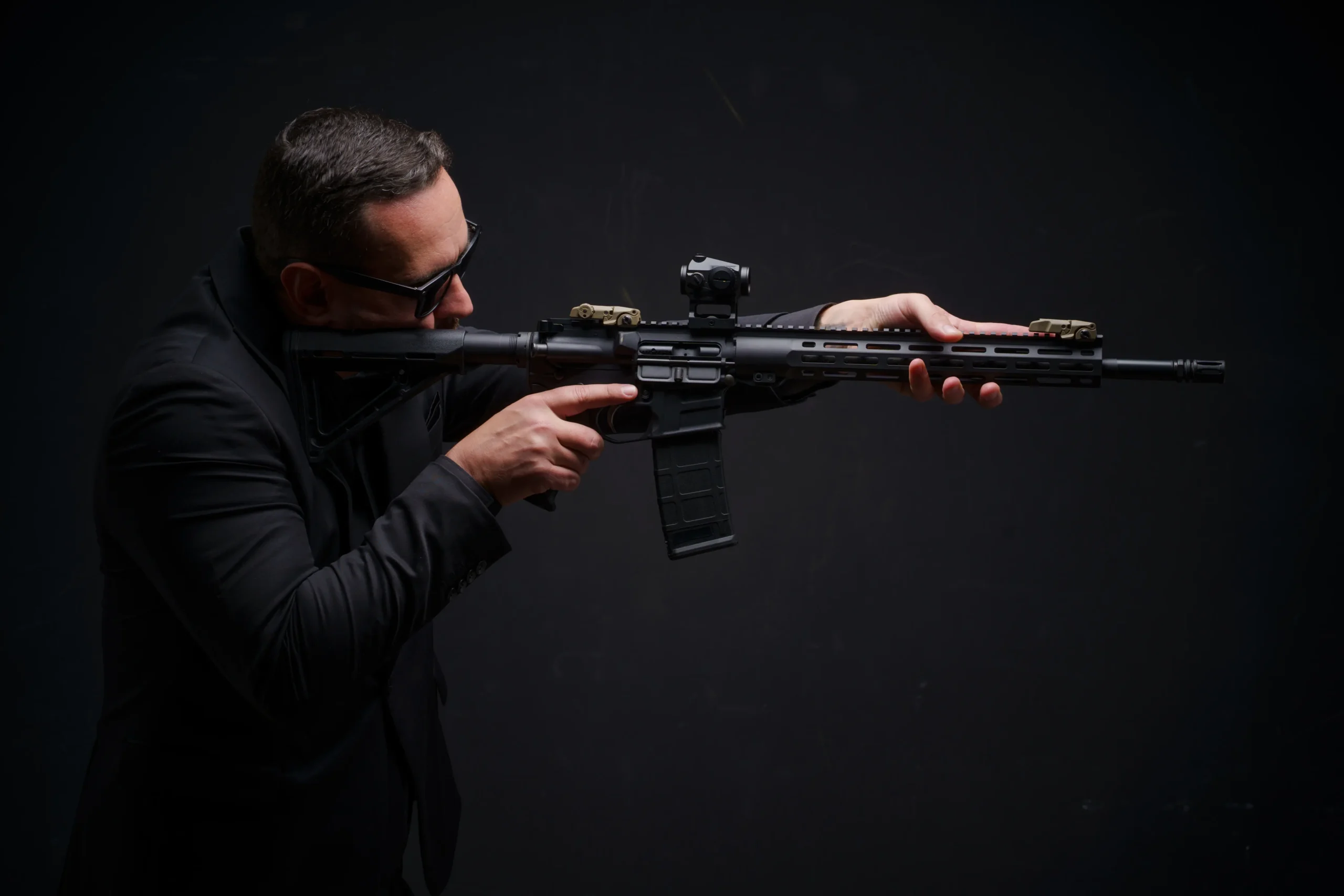
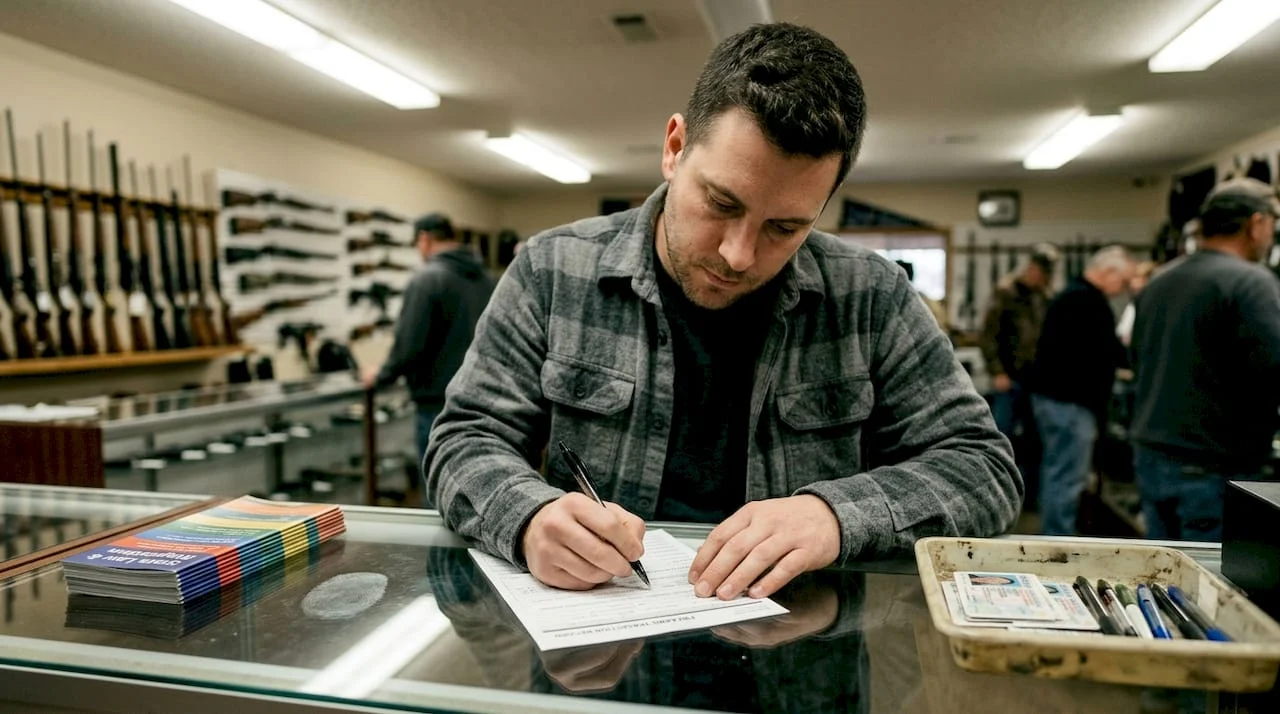
Buying your first firearm can feel like navigating a maze of legal requirements, paperwork, and product decisions all at once. Many first-time buyers walk into a gun store unsure of what ID to bring, which form to fill out, or whether their state adds extra steps to the process. The good news is that the firearm buying process follows a clear, predictable structure once you understand the framework. This guide breaks down every step, from federal eligibility rules to what happens after you walk out the door, so you can make a confident, legal, and well-informed purchase.
Table of Contents
- Understanding federal and state requirements
- Preparing for your firearm purchase
- Step-by-step: The licensed dealer (FFL) purchase process
- Troubleshooting and edge cases
- After the sale: Next steps for responsible ownership
- What most guides miss: Training matters more than gear
- Ready for your next step? Shop and get expert support
- Frequently asked questions
Key Takeaways
| Point | Details |
|---|---|
| Check your state laws | Federal rules apply everywhere but your state may add waiting periods or permits in their standard firearm buying process. |
| Budget realistically | Expect to spend $500–$800 on a firearm and $300 on essentials like training and storage. |
| Complete paperwork accurately | Mistakes on Form 4473 or missing ID can halt your purchase immediately. |
| Safety and training matter | Secure storage and professional training are critical for responsible and legal firearm ownership. |
Understanding federal and state requirements
Before you set foot in a gun store, you need to know the legal baseline. Federal law establishes who can and cannot purchase a firearm in the United States, and those rules apply everywhere regardless of your state.
Under federal prohibitions, you must be at least 18 years old to purchase a rifle or shotgun, and at least 21 to buy a handgun from a licensed dealer. Beyond age, federal law bars certain individuals from owning firearms entirely.
Federally prohibited categories include:
- Convicted felons or those under felony indictment
- Individuals convicted of domestic violence misdemeanors
- Anyone subject to a qualifying restraining order
- Persons adjudicated as mentally defective or committed to a mental institution
- Unlawful users of controlled substances
- Undocumented individuals or those who have renounced U.S. citizenship
- Dishonorably discharged veterans
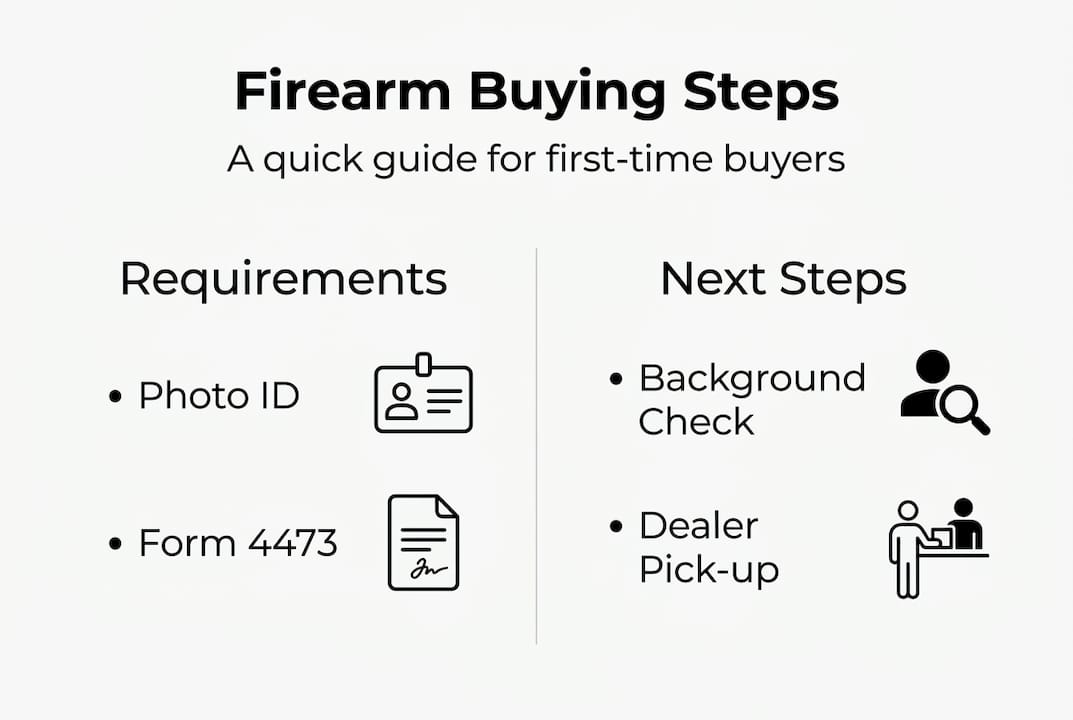
Every buyer must present a valid, government-issued photo ID and complete ATF Form 4473, the Firearms Transaction Record. This form requires you to self-certify your eligibility under penalty of law. Providing false information on Form 4473 is a federal felony, not a paperwork technicality.
State laws layer on top of federal requirements and vary significantly. State waiting periods can range from zero days to 14 days depending on where you live. Some states require a permit to purchase before you even enter a store. Others mandate additional background checks beyond the federal NICS system. A legal guide for first-time buyers can help you identify what your specific state requires.
| Requirement | Federal baseline | State variations |
|---|---|---|
| Minimum age (handgun) | 21 | Some states match or exceed |
| Minimum age (rifle/shotgun) | 18 | Some states set 21 |
| Waiting period | None | 0 to 14 days |
| Purchase permit | Not required | Required in select states |
| Background check | NICS (federal) | Additional state checks possible |
The National Instant Criminal Background Check System (NICS) processes most checks within minutes. Roughly 1% of checks result in a denial. Delays are more common and can hold up your purchase for up to 3 business days.
Pro Tip: Visit your state attorney general’s website or the ATF’s online resources before you visit a dealer. Knowing your state’s specific rules in advance saves time and prevents surprises at the counter. You can also review FFL transfer requirements to understand how licensed dealers handle the process on their end.
Preparing for your firearm purchase
Now that you understand legal basics, how do you decide which firearm is right for you and what to bring when you shop?
Start by clarifying your intended use. A firearm for home defense has different characteristics than one for concealed carry, competitive shooting, or hunting. Choosing a purpose first narrows your options significantly and prevents you from buying something that doesn’t fit your actual needs. Think of it like selecting a tool: you wouldn’t use a chef’s knife for every kitchen task, and the same logic applies here.

For first-time buyers, a realistic budget includes $500 to $800 for a quality firearm, plus roughly $300 more for training, ammunition, and a secure storage solution. Cutting corners on any of those three extras is where new owners often run into trouble later.
Before you visit a dealer, gather these items:
- Valid government-issued photo ID (driver’s license, passport, or state ID)
- Proof of residency if your ID address differs from your current address
- Military ID or orders if purchasing under military exemptions
- Student documentation for applicable state exemptions
- A clear sense of your intended use and preferred firearm type
If possible, visit a shooting range before your firearm buying process. Many ranges rent firearms by the hour, which lets you test caliber, grip size, and recoil before committing to a purchase. This step alone can prevent costly impulse buys. Exploring best concealed carry pistols or browsing custom firearm options online can also help you identify what features matter most to you.
Pro Tip: Schedule a range session before you shop. Handling a firearm under controlled conditions builds real confidence and gives you a reference point when comparing options at the counter.
Step-by-step: The licensed dealer (FFL) purchase process
Once you’ve prepared and know what you want, here’s exactly what happens when you walk into a gun store or initiate an online purchase.
- Choose your firearm. Select your firearm at a licensed dealer or order online. Online purchases must be shipped to a local FFL dealer for transfer.
- Present your ID. Show a valid, government-issued photo ID. The dealer verifies your age and residency before proceeding.
- Complete ATF Form 4473. Fill out every field accurately. This form captures your personal information and eligibility self-certification. Errors or omissions can void the transaction.
- NICS background check. The dealer submits your information to the FBI’s NICS system. You’ll receive one of three responses: Proceed, Delayed, or Denied.
- Collect your firearm. If approved and your state’s waiting period has passed, you pay and take possession of your firearm.
The standard process is consistent across licensed dealers, though edge cases like NICS delays, residency complications, or invalid documentation can extend the timeline.
| Factor | In-person purchase | Online purchase |
|---|---|---|
| Firearm selection | At dealer location | Shipped to local FFL |
| Form 4473 | Completed in store | Completed at receiving FFL |
| NICS check | Run by selling dealer | Run by receiving FFL |
| Transfer fee | Usually none | $15 to $50 per transfer |
| Wait time | Same day (if approved) | Shipping plus processing |
Safety warning: Lying on Form 4473 is a federal felony. The ATF and licensed dealers audit forms for accuracy, as a standard firearm buying process. There is no gray area here.
You can also use firearm transfer services to simplify the process when buying from an out-of-state seller or online retailer.
Troubleshooting and edge cases
Even careful buyers sometimes face unexpected holdups. Here’s how to handle them quickly and confidently.
The most common issue is a NICS “Delayed” response. This means the system needs more time to review your record. The dealer cannot transfer the firearm until they receive a Proceed response. If no response arrives within 3 business days, the dealer may legally transfer the firearm, though many choose to wait. According to ATF guidance, a denied response means you are legally prohibited and the transaction stops immediately.
Common issues and how to address them:
- Expired or incorrect ID: Bring a backup form of ID and ensure your address matches your residency documentation
- Form 4473 errors: Ask the dealer to void the form and start fresh; do not attempt to correct entries with cross-outs
- Transfer fee confusion: FFL transfer fees typically range from $15 to $50 and cover the dealer’s administrative and legal obligations
- Online order complications: Confirm your receiving FFL’s information before placing an online order to avoid shipping delays
- Residency documentation gaps: Utility bills, bank statements, or lease agreements can supplement your ID if addresses don’t match
For detailed help resolving purchase issues, consult a legal resource or your dealer directly to better understand any hiccups in a firearm buying process. Also contact your receiving FFL to explain how transfers work and what your receiving dealer needs from you upfront.
Pro Tip: Keep copies of all receipts, forms, and correspondence related to your purchase. Lost documentation can complicate future purchases or create legal headaches down the line.
After the sale: Next steps for responsible ownership
With your firearm buying process complete, responsible ownership is just beginning. Here’s what to focus on from day one to stay safe and legal.
Transporting your firearm correctly matters immediately. Most states require firearms to be unloaded and stored in a case during transport. A quality hard case with a lock is a smart first investment. Once home, secure storage is non-negotiable.
Responsible ownership checklist:
- Store your firearm in a secure storage solution that prevents unauthorized access, especially in households with children
- Enroll in a certified firearm safety or handling course within the first 30 days of ownership
- Clean and inspect your firearm regularly; consult a professional for firearm care and maintenance if you’re unsure about any component
- Stay current on your state’s laws, which can change year to year
- Practice consistently at a range to maintain safe handling habits
According to ATF recommendations, secure storage and ongoing training are foundational to responsible ownership. NICS denials affect only about 1% of purchase attempts. But safe storage and proper training should be a priority for 100% of owners, not just those flagged by the system. The firearm you buy is only as reliable as the habits you build around it.
What most guides miss: Training matters more than gear
Here’s something most how-to articles won’t tell you: the firearm you choose matters far less than what you do after you buy it. New owners often spend hours comparing barrel lengths, calibers, and trigger weights when that same time invested with a certified instructor would build more real-world confidence than any spec upgrade.
Legal compliance and safe handling are not one-time tasks you check off a list after the firearm buying process. They are habits that require repetition and community reinforcement. The buyers who feel most confident six months after their purchase are almost never the ones who bought the most expensive firearm. They are the ones who joined a local shooting club, found a qualified trainer, and practiced consistently.
If you want a firearm that truly fits your needs over time, consider exploring tailored firearm solutions rather than defaulting to whatever’s most popular. A firearm built or configured around your specific use case will serve you better than a generic bestseller.
Pro Tip: Seek out community shooting clubs and certified instructors early. Skills and guidance consistently outperform impulse upgrades when it comes to real confidence and safety.
Ready for your next step? Shop and get expert support
You’ve covered the legal framework, the paperwork, and the responsibilities that come with firearm ownership. Now it’s time to put that knowledge to work.

At Tungsten Creek Tactical, we make it straightforward to find the right firearm, accessory, or service for your situation. Find yourself supported with a professional firearm buying process every time. Browse our firearms and gear shop to compare quality options across categories. If you’re looking for something built to your specifications, our custom firearm builds team is ready to help. Need ongoing care for your firearm? Our professional gunsmithing services keep your investment reliable and accurate. Trusted guidance and quality gear are here whenever you’re ready.
Frequently asked questions
What documents do I need to buy a firearm?
You need a valid government-issued photo ID showing your age and residency. Additional documentation may be required for military personnel, students, or non-resident purchases.
How long does the background check take when buying a firearm?
Most NICS checks return an answer within minutes, but delays can last up to 3 business days before a firearm can be released to you.
Can I buy a firearm online and have it shipped to me?
You can buy online, but the firearm must be shipped to a local FFL dealer for transfer and paperwork. Transfer fees of $15 to $50 typically apply.
Are there different rules for buying handguns versus rifles?
Yes. You must be 21 to purchase a handgun and at least 18 for rifles or shotguns. Some states add waiting periods or permit requirements, especially for handguns.
Why was my background check delayed or denied?
Delays usually occur when the system needs more time to review your record. A denial means you are legally prohibited from purchasing a firearm under federal or state law.
Recommended
- Custom Guns | Precision-Built Firearms & More | (689) 686-9321 | Tungsten Creek Tactical
- Premium Online Firearms Dealer – Custom AR’s & Guns – Tungsten Creek Tactical
- Best Conceal Carry Pistols | Tungsten Creek Tactical
- Canik HG7883BD-N Mete MC9LS 9mm 3.63″ 17+1 Optic Ready Two-Tone FDE/Black | Tungsten Creek Tactical
Related Post

Discover the 5 ways
An introduction to Tactical Luxury Guns & Coffee We founded
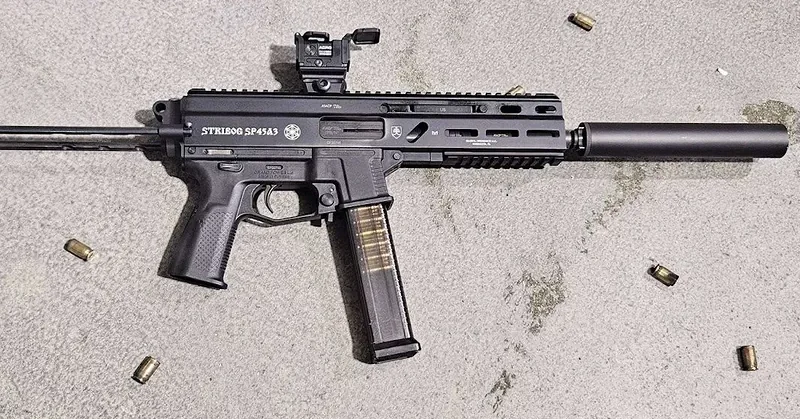
Top 5 Best PCC’s
In 2026, the Pistol Caliber Carbine (PCC) market is no