
How technology shapes firearms: safety, precision, and ownership
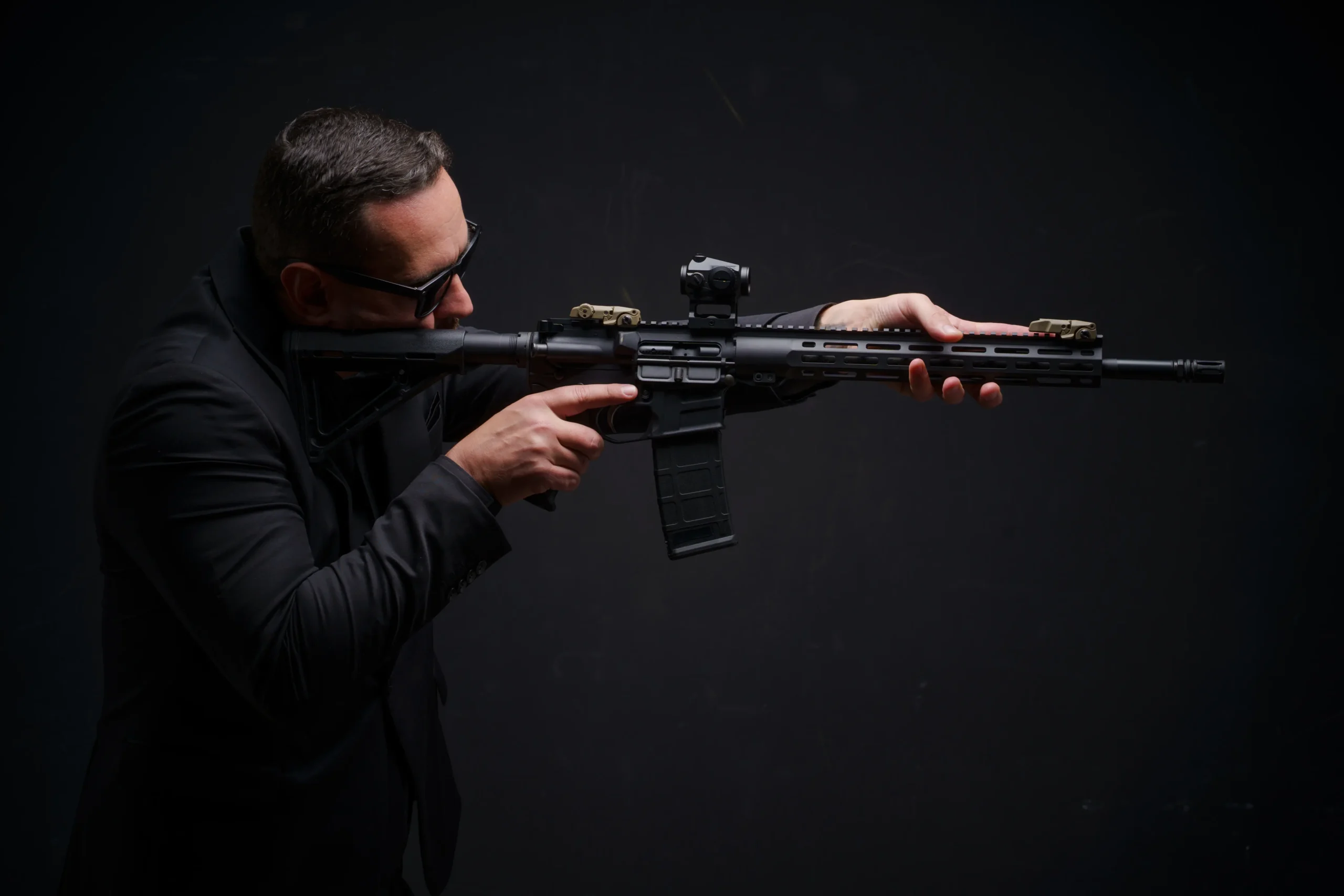
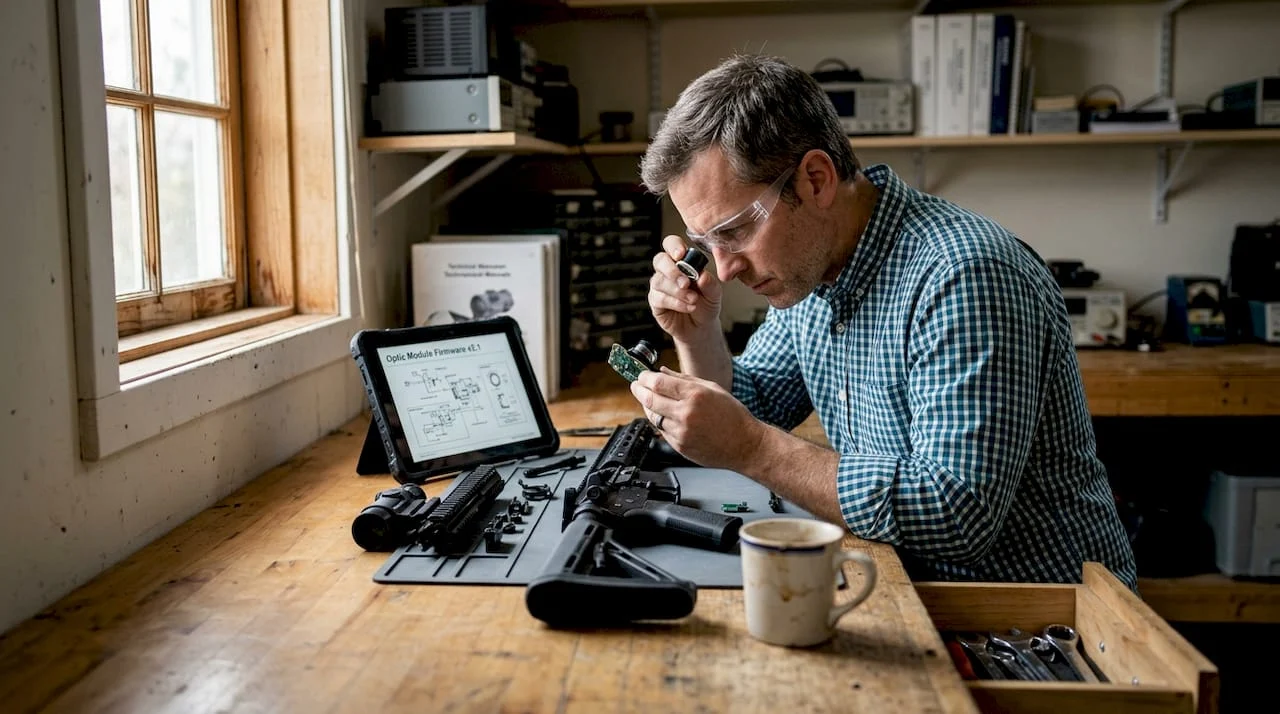
Most shooters today can achieve higher accuracy with smart optics than expert marksmen could a decade ago. That fact alone should reframe how you think about firearm technology. The common assumption is that tech advances only translate into more firepower or flashier gear. That’s not the full picture. What modern innovation actually delivers is improved safety, reliable forensic accountability, and tools that help you make smarter purchasing decisions. This article walks you through four major areas where technology is genuinely changing the game: AI-powered optics, microstamping and forensic traceability, digital safety features, and the regulatory forces shaping what gets built and sold.
Table of Contents
- Smart optics and AI targeting: Turning average shooters into experts
- Microstamping and forensic technology: Accountability in firearm ownership
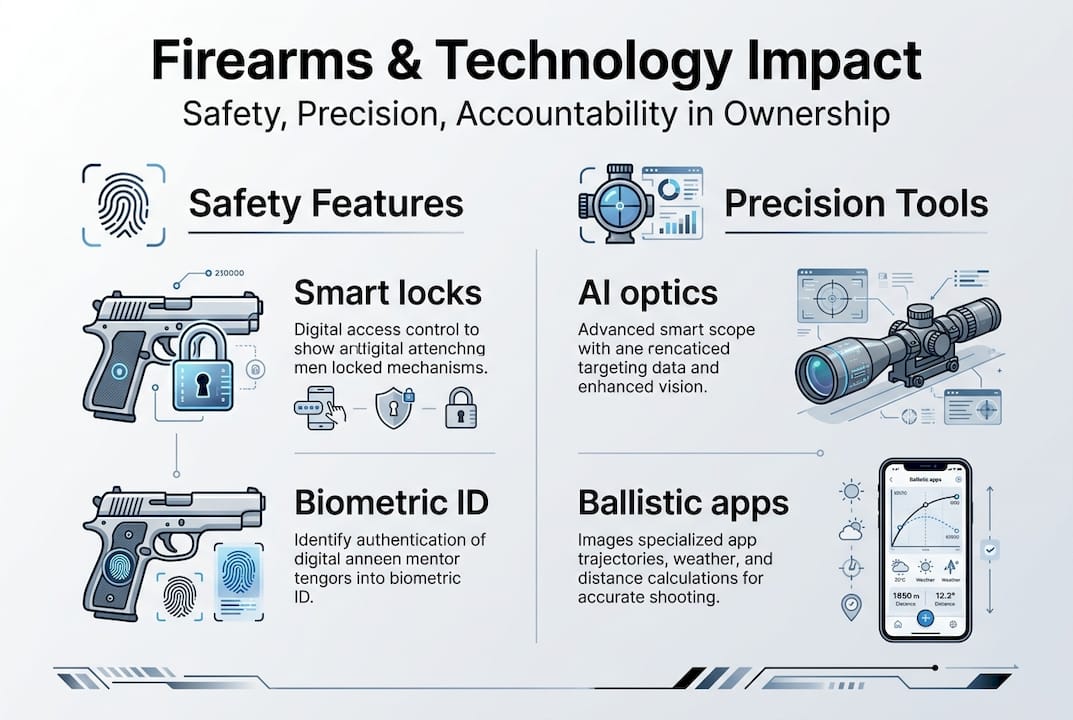
- Digital safety features: Smart locks, RFID, and biometric access
- Regulations and industry perspectives: Navigating the shifting landscape
- A responsible owner’s view: What technology really changes — and what it doesn’t
- Upgrade your firearms with precision technology
- Frequently asked questions
Key Takeaways
| Point | Details |
|---|---|
| Precision enhanced | AI-powered optics enable average shooters to achieve expert-level accuracy. |
| Forensics improved | Microstamping technology helps law enforcement trace firearms used in crimes. |
| Safety tools | Digital locks and biometrics offer new layers of firearm security but require careful use. |
| Regulatory nuance | Adoption of technology varies widely due to differing laws and industry perspectives. |
| Owner responsibility | Technology is only helpful when combined with skill and safe practices. |
Smart optics and AI targeting: Turning average shooters into experts
Now that we’ve set the stage, let’s examine how technology directly boosts shooter accuracy. The gap between a trained marksman and an average shooter has narrowed significantly in recent years. The reason? AI-powered optics that do a substantial portion of the ballistic math for you.
Systems like the SMASH 2000L and the U.S. Army’s XM157 use laser rangefinders and ballistic calculators combined with environmental sensors to boost hit probability across a range of shooting conditions. Wind speed, distance, temperature, and even target movement feed into real-time algorithms that adjust your point of aim automatically. The result is a measurable increase in first-shot accuracy for shooters who would otherwise rely on experience and intuition alone.
Here’s a quick comparison of what you’re working with across three tiers:
| Feature | Basic optics | Smart optics | Expert shooter (no tech) |
|---|---|---|---|
| Wind compensation | Manual | Automatic | Trained intuition |
| Range calculation | Estimated | Laser-measured | Practiced estimation |
| Environmental adjustment | None | Real-time sensors | Experience-based |
| Hit probability at 500m | ~40% | ~85% | ~75% |
| Cost range | $50–$300 | $1,500–$10,000+ | N/A |
The numbers tell a clear story. A shooter using smart optics at 500 meters statistically outperforms a trained expert using traditional methods. That’s not marketing fluff. That’s the outcome of layered sensor data and machine-speed calculation working together.
Key features to look for when evaluating AI-powered optics:
- Integrated laser rangefinder for real-time distance measurement
- Ballistic calculator pre-loaded with common caliber profiles
- Environmental sensors that adjust for temperature, humidity, and wind
- Target tracking with lead compensation for moving targets
- Reticle illumination with auto-brightness for varying light conditions
For shooters who prefer proven alternatives without full AI integration, fiber optic sights still offer meaningful accuracy gains in daylight conditions. And for mid-tier upgrades, exploring rifle scope technology can bridge the gap between basic and smart-optic performance.
Pro Tip: Before committing to a smart optic, confirm it’s compatible with your specific firearm platform and that ballistic profiles for your caliber are already included in the system’s database. Retrofitting later adds cost and complexity.
Microstamping and forensic technology: Accountability in firearm ownership
Beyond precision enhancements, technology is reshaping how firearms are traced and regulated for accountability. Microstamping is one of the more debated innovations in this space, and it’s worth understanding exactly what it does and what it doesn’t do.
Microstamping works by laser-engraving microscopic alphanumeric codes onto a firearm’s firing pin and breech face. When the gun fires, those codes transfer onto the primer of the cartridge casing, creating a traceable link between a specific firearm and the brass left at a scene. Studies show 76–95% transfer rates for alphanumeric characters in semiautomatic pistols, which makes the technology genuinely useful for forensic investigators.
| Factor | Data |
|---|---|
| Transfer rate (alphanumeric codes) | 76–95% |
| States with mandates | California (semiauto pistols) |
| Federal mandate | None as of 2026 |
| Forensic use cases | Crime scene casings, trace evidence |
| Industry adoption | Limited, voluntary outside CA |
“Microstamping enables forensic identification without impacting operational safety.”
Here’s what matters for you as a responsible owner:
Pros:
- Supports crime scene investigations without affecting how your firearm performs
- Creates a traceable ownership record that can work in your favor if a firearm is stolen and used in a crime
- Pairs well with other tracking tools, such as an AirTag gun accessory mounted on a Picatinny rail, for layered accountability
Cons:
- Codes can wear over time with heavy use, reducing transfer reliability
- Firing pin replacement could render the code obsolete
- Adds manufacturing cost, which may push up retail pricing
- Not a substitute for secure storage, trigger locks, or safe handling
One thing microstamping does not do is make a firearm safer to operate. It’s a forensic tool, not a safety mechanism. Pairing your ammunition selection, like using quality cartridge rounds, with an understanding of what microstamping covers keeps your expectations realistic. Using practice rounds at the range also means microstamped casings go downrange rather than onto public ground where trace evidence matters.
For additional range accountability and target management, shooting targets that track hit placement can reinforce disciplined practice habits alongside forensic awareness.
Digital safety features: Smart locks, RFID, and biometric access
With forensic technologies covered, let’s switch focus to everyday safety: how digital solutions protect your firearms at home, in your vehicle, and during transport.
The three most common categories of digital firearm safety technology are:
- Smart locks that require a PIN, app authorization, or Bluetooth signal before the firearm can be operated
- RFID (radio-frequency identification) tags embedded in rings or wristbands that pair with compatible firearms to authorize use within seconds
- Biometric access using fingerprint readers on safes or directly integrated into the grip module of select firearms
Each has a specific role. Smart locks work well for safe storage at home. RFID solutions offer a fast-access option for bedside or vehicle-mounted storage. Biometrics provide the most personalized control but carry the highest risk of failure under stress or environmental conditions.
Here’s when digital safety technology genuinely earns its value:
- Child access prevention: A biometric safe or smart lock ensures unauthorized users cannot access the firearm, even if they find it
- Theft deterrence: A locked firearm without the paired device is far less useful to a thief
- Transport compliance: Some state regulations require firearms to be locked during transport, and digital solutions satisfy those requirements
- Quick access under pressure: RFID rings allow authorized access in under two seconds for nightstand scenarios
The reliability caveat is real. Smart tech in harsh environments often struggles because dust, moisture, and low temperatures can disable sensors, drain batteries, or cause fingerprint readers to fail entirely. This mirrors the broader pattern in microstamping research, where forensic features add accountability but not direct safety in operational situations.
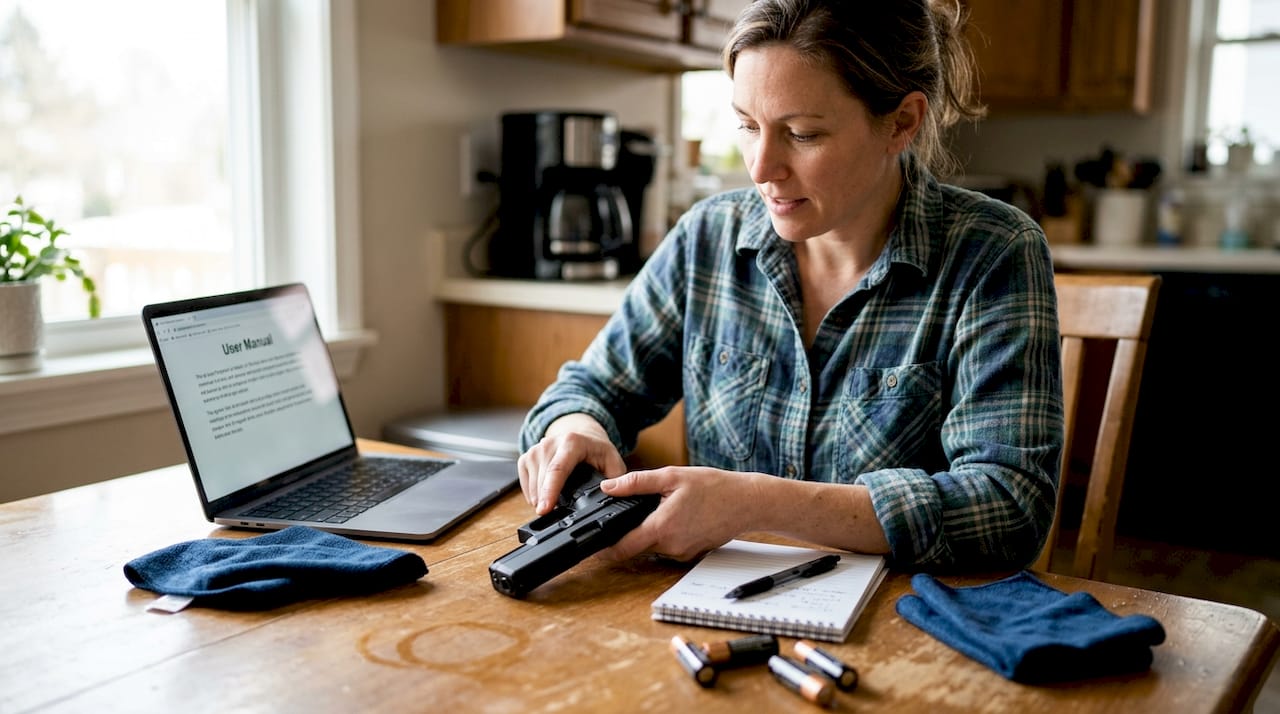
Pro Tip: Always test your digital safety features in realistic conditions before depending on them. Run through access drills in low light, with cold hands, and after the device has been sitting unused for several days. If it fails any of those tests, it fails when it matters most.
Regulations and industry perspectives: Navigating the shifting landscape
Finally, let’s see how policy, manufacturers, and organizations steer the future of firearm technologies. Regulations and market forces don’t always move in the same direction, and understanding the tension between them helps you anticipate what’s coming.
California’s microstamping mandate is the most visible example of government-driven technology adoption. Passed under SB 452, it requires all new semiautomatic pistol models sold in the state to incorporate microstamping. Most manufacturers have responded by limiting new model introductions in California rather than redesigning their production lines. The NRA and similar advocacy groups favor deregulation over technology mandates, arguing that market forces should determine feature adoption rather than legislative requirements.
“Regulation drives innovation — but also resistance.”
Key legal shifts in the past decade worth knowing:
- Microstamping mandated in California for all new semiauto pistol models
- Several states have introduced or expanded red flag laws that indirectly pressure manufacturers to consider digital safety integrations
- Federal agencies have increased scrutiny on ghost guns, pushing serialization requirements that overlap with microstamping logic
- Import restrictions have shifted which foreign-made firearms can be sold with certain technology features included
Manufacturers walking this line often focus on custom gun adoption as a workaround, offering features as optional upgrades rather than built-in standards. Platforms like the Springfield Armory XDM Elite represent one approach: prioritizing optics-ready platforms that let owners integrate technology on their own terms. Other makers, like those behind the Shadow Systems CR920P, build modularity into the base design.
The Smith and Wesson SD9 2.0 reflects a more conservative corporate response to mandates: keep it reliable, keep it simple, and let the customer decide on accessories. That philosophy isn’t wrong. It reflects the reality that many buyers prioritize proven function over cutting-edge features.
A responsible owner’s view: What technology really changes — and what it doesn’t
The journey through regulations and industry change leads to a broader reflection: how should you, as a responsible owner, interpret these advances?
Here’s our honest take. Technology genuinely improves three things: precision, accountability, and access control. Smart optics give average shooters a real performance edge. Microstamping adds a forensic layer that supports law enforcement without affecting how your firearm handles. Digital safety features reduce unauthorized access when implemented correctly.
What technology doesn’t change is the foundation. Safe storage habits, regular training, and disciplined handling are still non-negotiable. No smart optic compensates for poor trigger discipline. No biometric safe prevents negligent handling once the firearm is in your hand. We’ve seen buyers invest heavily in high-tech accessories while skipping basic safety courses. That’s the wrong order of operations.
The smarter approach is to build your core competency first and then layer in technology where it solves a specific, real problem. Exploring custom firearm insights can help you identify which upgrades genuinely serve your needs versus which ones sound impressive at the range but don’t hold up under real-world use.
Pro Tip: Always combine new technology with traditional training. If a feature is supposed to improve your accuracy or safety, test that claim with live fire and realistic drills before trusting it in a scenario that counts.
Upgrade your firearms with precision technology
If you’re ready to leverage technological advances, Tungsten Creek Tactical can help you find the right upgrades. Whether you’re evaluating smart optics, exploring digital safety solutions, or building a custom platform from the ground up, the right starting point is knowing your options.

Our custom guns service connects you with build options that integrate modern features without sacrificing the reliability you depend on. You can browse our full selection of firearm products to compare optics, accessories, and platforms that reflect the latest in precision technology. And if you’re new to what we offer, learn more about Tungsten Creek Tactical and why our approach puts your informed decision-making first.
Frequently asked questions
How do smart optics improve shooter accuracy?
AI-powered smart optics boost hit probability by using sensors and ballistic calculators to adjust for wind, range, and environmental factors, giving you more consistent results at distances where unaided accuracy breaks down.
Is microstamping mandatory throughout the United States?
Microstamping is legislated in California for new semiautomatic pistol models, but no federal mandate exists as of 2026, making adoption inconsistent across states.
What are the main drawbacks of digital gun safety features?
Digital safety features can fail in dusty, wet, or cold conditions, and smart tech reliability drops when sensors are exposed to environmental stress, making real-world testing before deployment essential.
Does new technology make firearms inherently safer?
Technology adds meaningful layers of safety and accountability, but it cannot replace responsible handling habits, secure storage practices, or formal training.
How do regulations impact technological adoption in firearms?
State mandates can require specific forensic features, but NRA views favor deregulation over legislative mandates, so industry-wide adoption often depends on voluntary compliance rather than legal requirements.
Recommended
- Custom Guns | Precision-Built Firearms & More | (689) 686-9321 | Tungsten Creek Tactical
- Chiappa Firearms 500.260 Double Badger Folding Shotgun/Rifle .410 Bore/.22 LR 20" Blued/Black | Tungsten Creek Tactical
- S&W M&P15 SPORT III 5.56 RIFLE – 30-SH 15" HANDGUARD M-LOK BLK | Tungsten Creek Tactical
- Best Conceal Carry Pistols | Tungsten Creek Tactical
- Vehicle Security : The Latest Innovations to Prevent Theft
Related Post

Discover the 5 ways
An introduction to Tactical Luxury Guns & Coffee We founded
Top 5 Best PCC’s
In 2026, the Pistol Caliber Carbine (PCC) market is no