
9 Proven Ways to Secure Firearms for Responsible Owners
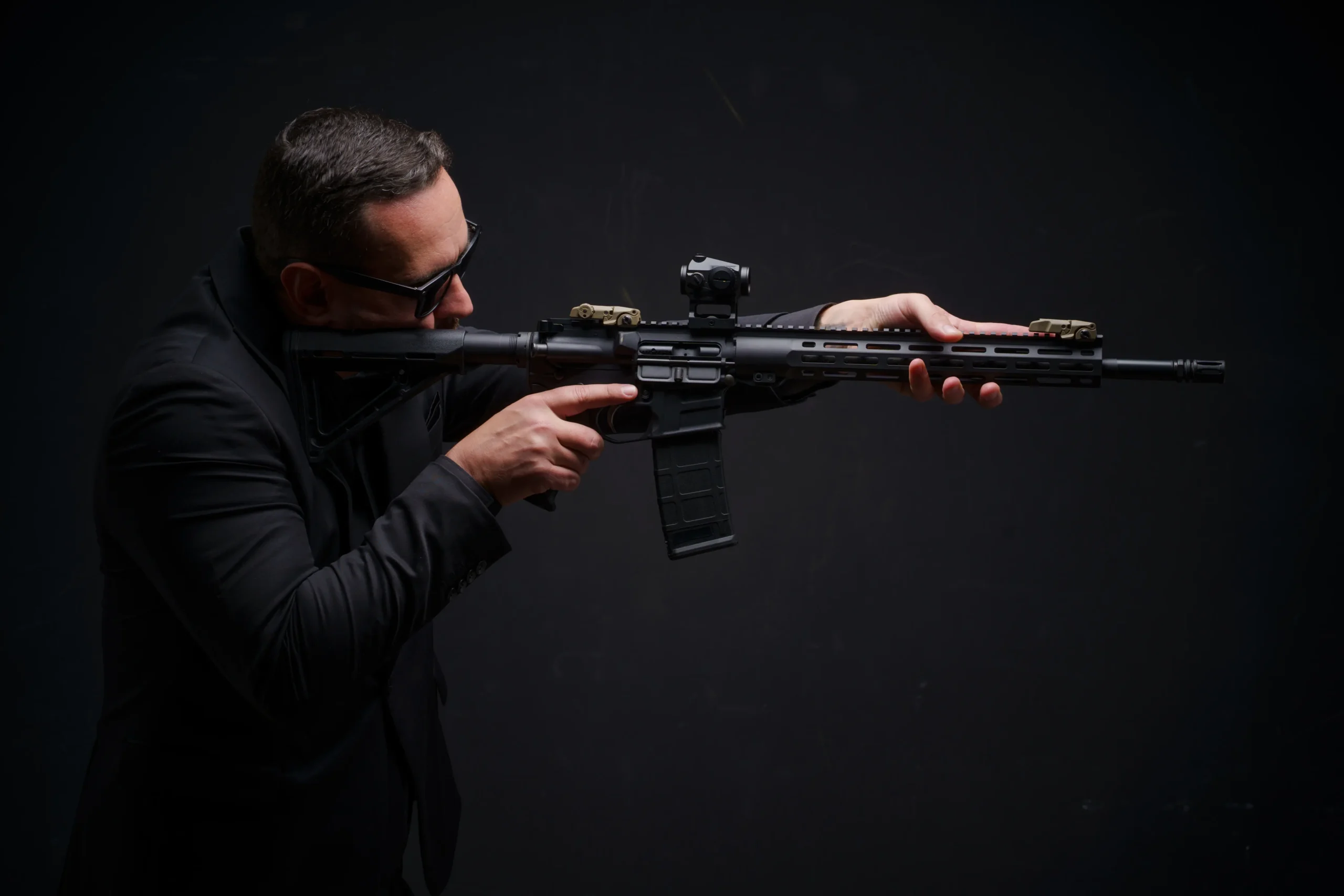
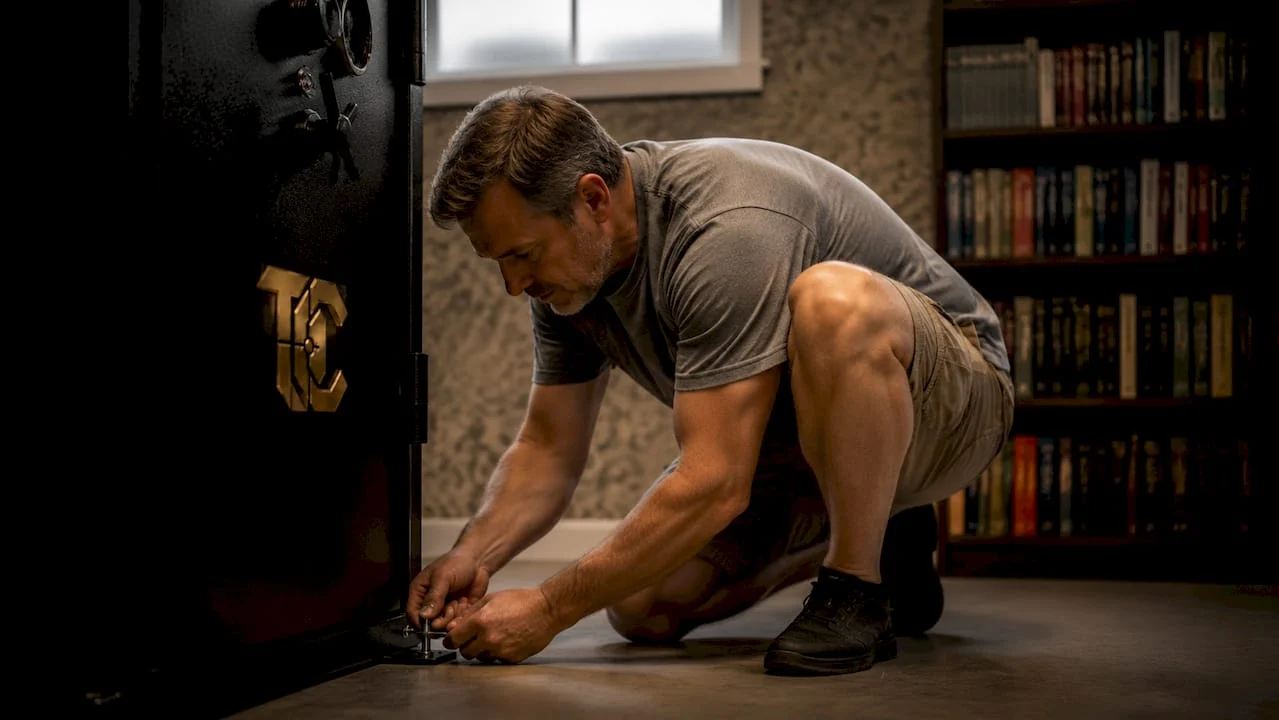
Secure firearm storage is defined as any method that physically prevents unauthorized access and disables the firearm from being operated without the owner’s direct involvement. The most effective ways to secure firearms combine a UL RSC-rated gun safe as the primary barrier with supplemental locking devices, controlled access routines, and separate ammunition storage. This layered approach satisfies both safety goals and the legal requirements found in an increasing number of state safe storage laws. Whether you own one handgun or a full collection, the methods below give you a clear, prioritized framework for protecting every firearm in your home.
1. Ways to secure firearms: choosing the right safe
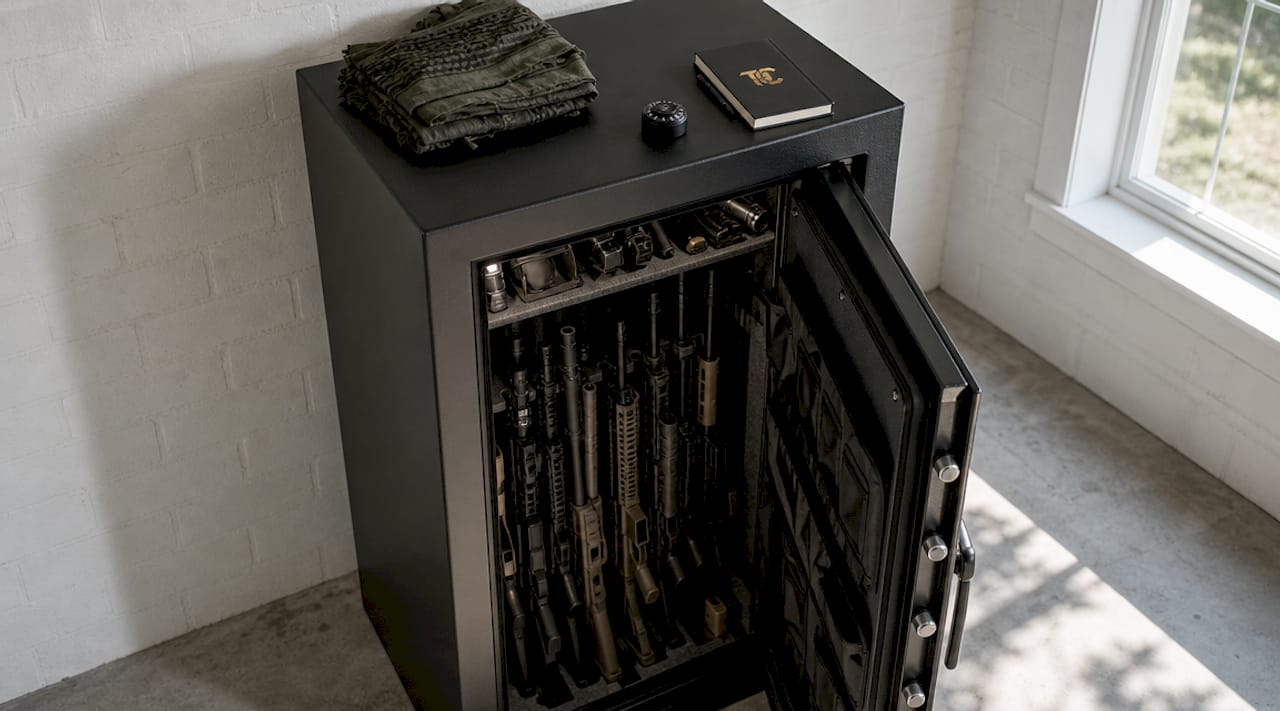
A gun safe is the single strongest primary storage method available to responsible owners. The standard to look for is the UL RSC (Residential Security Container) rating, which certifies that a safe resists forced entry for a minimum of five minutes using common hand tools. That five-minute threshold matters because most opportunistic theft attempts are abandoned quickly when resistance is encountered.
Full-size gun safes offer the highest capacity and the best fire protection, with many models rated to protect contents at temperatures up to 1,200°F for 30 to 60 minutes. Quick-access biometric and keypad safes sacrifice capacity for speed, making them the right choice for a bedside defensive firearm. Lockboxes and hard-sided gun cases serve as secondary or travel options but should never replace a primary safe at home.
| Safe Type | Best Use | Key Limitation |
|---|---|---|
| UL RSC full-size safe | Primary home storage, collections | Cost, weight, installation effort |
| Biometric/keypad quick-access | Bedside defensive firearm | Limited capacity, battery dependency |
| Lockbox or gun case | Travel, secondary storage | Low forced-entry resistance |
Pro Tip: Buy one size larger than you think you need. Collections grow, and a safe that fits today will feel cramped within two years.
2. Anchor your safe to the structure
A gun safe that is not anchored is a portable box. Thieves with a hand truck can remove an unbolted safe in under two minutes and crack it at their leisure elsewhere. Bolting your safe to a concrete floor or wall stud removes that option entirely.
Proper safe installation includes avoiding simple corner placement, anchoring to the structure, and limiting pry-bar leverage to increase physical denial. Position the safe so the door swings into a wall or tight space, reducing the angle available for a pry bar. Most quality safes include pre-drilled anchor holes and hardware. Use them.
3. Use trigger locks as a supplemental layer
A trigger lock is a two-piece clamshell device that encases the trigger guard and prevents the trigger from being pulled. It is one of the most widely recognized secure firearm practices, and it costs very little. The key word, though, is supplemental.
Trigger and cable locks are supplemental devices that disable function but do not physically secure a firearm from theft alone. They should never be used as the sole storage method but add important layers when combined with safes. Think of a trigger lock the way you think of a deadbolt on a screen door: useful as one layer, not sufficient on its own.
4. Add cable locks through Project ChildSafe
Cable locks thread through the action or barrel of a firearm, blocking the chamber from closing and preventing a round from being chambered. They are simple, lightweight, and effective as a secondary device. Project ChildSafe has distributed locks through over 15,000 law enforcement agencies as of June 2026 to help owners secure firearms. That distribution network means free cable locks are accessible to virtually every gun owner in the country through a local police department or sheriff’s office.
Cable locks are especially practical for firearms stored inside a safe. Locking the action even after the safe door is closed creates a second barrier that an unauthorized user would need to defeat. This is layered security at its most practical.
5. Store ammunition separately and locked
Keeping firearms unloaded and locked in a secure location with ammunition stored in a separate locked container is the gold standard for home firearm safety. This two-step process prevents unauthorized access even if one lock is bypassed. A child or unauthorized adult who defeats one barrier still cannot fire a loaded weapon if the ammunition is locked elsewhere.
A dedicated ammo can with a padlock costs less than $30 and satisfies this requirement completely. Store it in a different room from the firearm safe when possible. For households with children, this separation is not optional. It is the minimum responsible standard.
6. Manage access codes and keys with discipline
Electronic lock management is where many otherwise careful owners get sloppy. Using distinct individual codes for electronic lock safes rather than sharing one household code improves access management and reduces risks when routines or users change. Assign a unique code to each authorized adult, and change all codes immediately when a user leaves the household or when you suspect a code has been compromised.
Key custody for mechanical locks deserves the same discipline. No hidden spare keys under doormats or in kitchen drawers. If a key is lost, replace the lock. A consistent household routine managing access codes and keys is critical to responsible firearm storage, and it costs nothing beyond attention and habit.
- Assign a unique code to each authorized adult user.
- Change codes when any authorized user leaves the household.
- Replace batteries in electronic locks every 6 to 12 months.
- Store mechanical lock keys on your person, not hidden in the home.
- Review access logs on smart safes monthly if your model supports it.
Pro Tip: Set a recurring calendar reminder every six months to replace safe batteries. A dead battery during an emergency is a preventable failure.
7. Choose the right lock type for each firearm
There is no single perfect storage solution. Owners should choose locks based on firearm model, environment, and household composition. A revolver requires a different lock geometry than a semi-automatic pistol. A long gun needs a cable lock or a dedicated rifle rack with a locking bar rather than a trigger lock designed for handguns.
Chamber locks block the firing chamber directly and are considered one of the most mechanically reliable options for preventing discharge. Magazine locks restrict ammunition feeding and work well on semi-automatic platforms. Some manufacturers, including Taurus and Beretta, build integrated locks directly into the firearm frame. These factory locks add a layer without requiring a separate device, though they should still be used inside a locked safe rather than as a standalone measure.
8. Tailor your storage to your household and local law
The right secure gun storage method depends heavily on who lives in or visits your home. Households with children require the strictest approach: all firearms unloaded, locked, and stored with ammunition in a separate locked container at all times.
Storing firearms in a locked container satisfies legal safe storage laws in most states, but California requires DOJ-certified safes, and the state expanded those requirements in 2026. Understanding your local laws is not optional. It is a legal obligation. The 2026 safety guide from Tungstencreektactical covers state-by-state requirements in detail.
- Households with children: All firearms unloaded and locked; ammunition stored separately in a locked container.
- California residents: DOJ-certified safe required; check the 2026 expansion for updated specifications.
- High-risk situations: Consider off-site storage at a licensed facility or gun range locker.
- Self-defense firearms: A quick-access biometric safe satisfies both accessibility and storage law requirements in most states.
- Visitors with children: Apply the same locked and unloaded standard even for temporary visits.
9. Build a consistent maintenance and review routine
Secure storage is not a one-time setup. It is an ongoing practice, much like maintaining a quality firearm itself. Electronic lock battery replacement every 6 to 12 months prevents lockouts during emergencies. Interior lighting in your safe reduces fumbling errors under stress. Regular firearm cleaning prevents corrosion that can cause unsafe conditions, including stuck actions and misfires.
Pair your storage routine with home smoke alarm testing. A fire-rated safe protects your firearms, but a working smoke alarm protects your family and gives you time to act. Review your entire storage setup at least once a year. Household composition changes, laws change, and your collection may grow. A storage plan that worked two years ago may no longer be adequate today. Responsible ownership means staying current, not just compliant at the time of purchase. For a broader look at responsible ownership practices, Tungstencreektactical has a dedicated guide worth bookmarking.
Key takeaways
Layered firearm security, combining a UL RSC-rated safe, supplemental locking devices, separate ammunition storage, and disciplined access management, is the most effective and legally sound approach to protecting firearms in any household.
| Point | Details |
|---|---|
| Safe selection matters | Choose a UL RSC-rated safe as your primary barrier; match type to your access needs. |
| Locks are supplemental | Trigger, cable, and chamber locks add layers but never replace a quality safe. |
| Ammunition separation | Store ammo in a separate locked container to defeat a single-point bypass. |
| Access code discipline | Assign unique codes per user and change them when household composition changes. |
| Know your state law | California and other states require specific certified safes; verify your local requirements annually. |
What I’ve learned about storage complacency
I have seen it more times than I care to count: a responsible, experienced gun owner who has a quality safe but leaves the door cracked “just for convenience.” Or a loaded pistol tucked in a nightstand drawer because it feels accessible. Hiding firearms in closets, nightstands, or car seats is not considered secure storage and provides a false sense of security. That false sense is the most dangerous condition in firearm ownership.
The discipline of layering a safe, a cable lock, and separate ammo storage is not complicated. It takes about the same amount of thought as selecting a good cigar or dialing in a coffee grind. The difference is that getting it wrong here has consequences that no amount of expertise can undo. I review my own storage setup every January, update codes, replace batteries, and confirm that every firearm is accounted for and properly secured. That annual review has caught two issues I would have otherwise missed. Make it a habit before you need it to be one.
— Brian
Secure your firearms with the right tools from Tungstencreektactical

Responsible ownership starts with the right firearm and extends to how you store and maintain it. Tungstencreektactical builds its product line around owners who take both seriously. Whether you are looking for a precision-built firearm matched to your specific needs or guidance on choosing the right gun for your household, the team at Tungstencreektactical brings the same standard of transparency and craftsmanship to every recommendation. For owners who want a firearm built to their exact specifications, explore the custom guns service. A firearm that fits you well is one you handle more confidently and store more consistently.
FAQ
What is the most secure way to store a firearm at home?
A UL RSC-rated gun safe, anchored to the floor or wall, with the firearm unloaded and ammunition stored in a separate locked container is the most secure home storage method. This combination satisfies both physical security and legal safe storage requirements in most states.
Do trigger locks replace the need for a gun safe?
Trigger and cable locks are supplemental devices that disable function but do not physically secure a firearm from theft. They should always be used inside a safe, not as a standalone storage solution.
Are free gun locks available to firearm owners?
Yes. Project ChildSafe has distributed free cable locks through over 15,000 law enforcement agencies nationwide. Contact your local police department or sheriff’s office to request one at no cost.
What states require a specific type of gun safe?
California requires a DOJ-certified safe and expanded those requirements in 2026. Most other states accept any locked container, but requirements vary. Check your state’s current safe storage law before purchasing a storage solution.
How often should I update my safe access codes?
Change access codes immediately when an authorized user leaves your household or when you suspect a code has been shared without your knowledge. As a general practice, review all codes at least once a year alongside your broader storage routine.
Recommended
Related Post

Discover the 5 ways
An introduction to Tactical Luxury Guns & Coffee We founded
Top 5 Best PCC’s
In 2026, the Pistol Caliber Carbine (PCC) market is no