Best Range Accessories for Serious Shooters in 2026
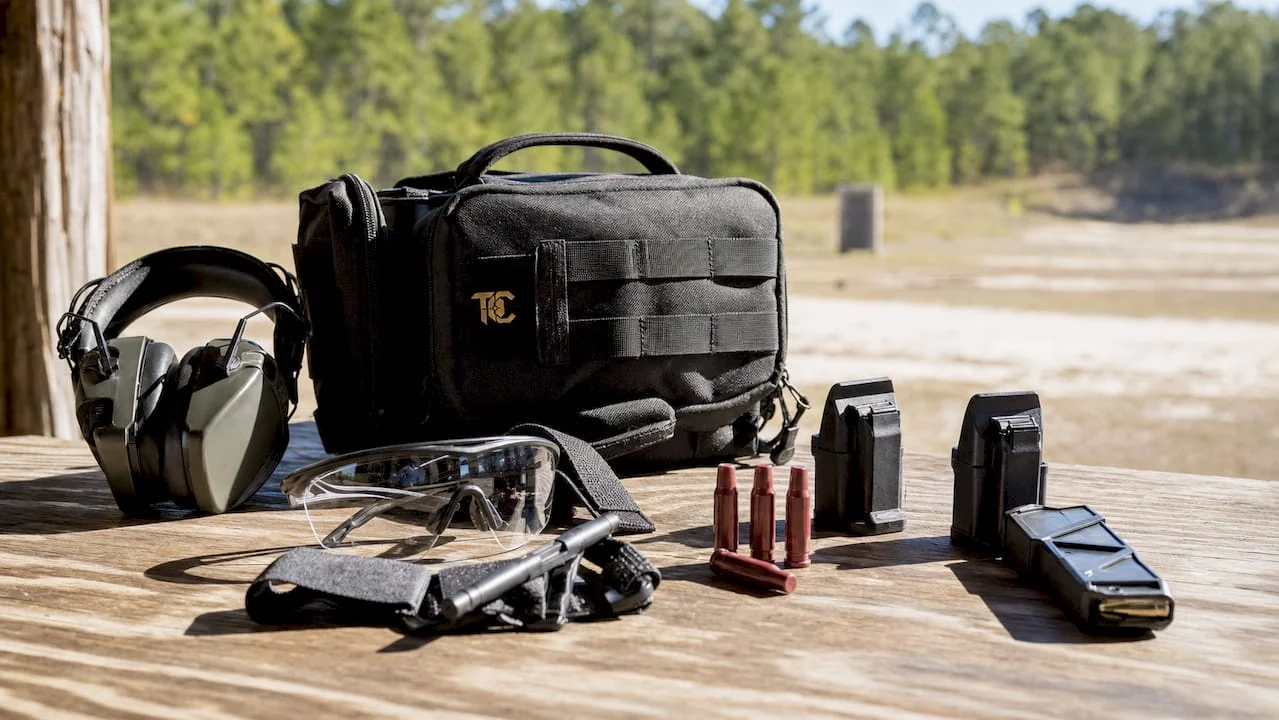
Range accessories are the gear, tools, and protective equipment that improve your safety, efficiency, and performance during every shooting session. The best range accessories cover three non-negotiable categories: personal protective equipment rated to recognized standards like ANSI Z87.1 and NRR 22+, life-safety tools such as CoTCCC-approved tourniquets, and utility items that reduce fatigue and sharpen your training. A foundational range kit can be built for under $200 and still cover every critical base. Getting these right matters more than any firearm upgrade you can make.
1. What are the best range accessories every shooter needs?
The non-negotiable foundation of any range kit starts with certified eye and ear protection. ANSI Z87.1-rated shooting eye protection is the minimum standard for ballistic-rated lenses. Anything below that rating is a liability, not a safeguard.
Electronic ear protection with an NRR of 22 or higher does two things at once. It blocks damaging impulse noise from gunfire and amplifies ambient sound like range commands and conversations. That dual function makes it far more practical than passive foam plugs for any serious training session.
- ANSI Z87.1 eye protection: Ballistic-rated lenses protect against debris and ricochets. Look for wraparound frames for full peripheral coverage.
- Electronic ear muffs (NRR 22+): Models with directional microphones let you hear your range officer clearly without removing your muffs.
- CoTCCC-approved tourniquet: A CAT Gen 7 or similar approved device belongs in every range bag. Firearms and medical readiness go together.
- Chamber safety flags: Caliber-matched flags provide immediate visual confirmation that a firearm is unloaded. Most ranges require them during cold-range periods.
- Magazine loader: A quality mag loader for double-stack pistols reduces thumb fatigue and keeps your reloading pace consistent across a long session.
- Markers and target tape: A Sharpie and a roll of target pasters let you reset paper targets quickly without walking downrange repeatedly.
Pro Tip: Buy your tourniquet from an authorized vendor only. Counterfeit medical gear is widely sold online and will fail when it matters most.
2. Specialized gear for pistol and rifle sessions
Pistol and rifle shooting have different gear demands, and packing for both without thinking it through wastes time and money. The right specialized accessories sharpen your training and reduce the friction between drills.
For pistol sessions, carry at least 300 rounds to run meaningful volume drills without cutting your session short. Snap caps in your caliber let you practice malfunction clearance drills safely, building muscle memory that transfers directly to real-world readiness. A shot timer gives you measurable feedback on split times and draw-to-first-shot speed, which is data you cannot get from feel alone.
For rifle sessions, zeroing targets sized for your specific distance (25 yards for a 100-yard zero, for example) remove guesswork from your optic setup. A torque wrench rated for your scope ring specifications keeps your optic from shifting during recoil. Bore snakes in your rifle’s caliber let you run a quick pass between strings to keep fouling from affecting your groups.
- Snap caps: Practice malfunction drills without live ammunition. Match the caliber exactly to your carry or competition pistol.
- Shot timer: Measurable training data like split times and transition speeds separate deliberate practice from casual plinking.
- Zeroing targets: Pre-printed grids calibrated for specific distances make optic setup faster and more repeatable.
- Torque wrench: Scope rings and red dot mounts have manufacturer torque specs for a reason. A proper torque wrench protects your investment.
- Bore snake: A caliber-matched bore snake cleans a barrel in seconds. It is faster than a rod kit for between-string maintenance.
- Cleaning mat: A padded, oil-resistant mat protects your firearm and your bench surface during field cleaning.
Pro Tip: Run at least one malfunction drill per pistol session using snap caps. Knowing your clearance sequence by feel is worth more than an extra 50 rounds of slow fire.
3. How to choose and organize your range bag
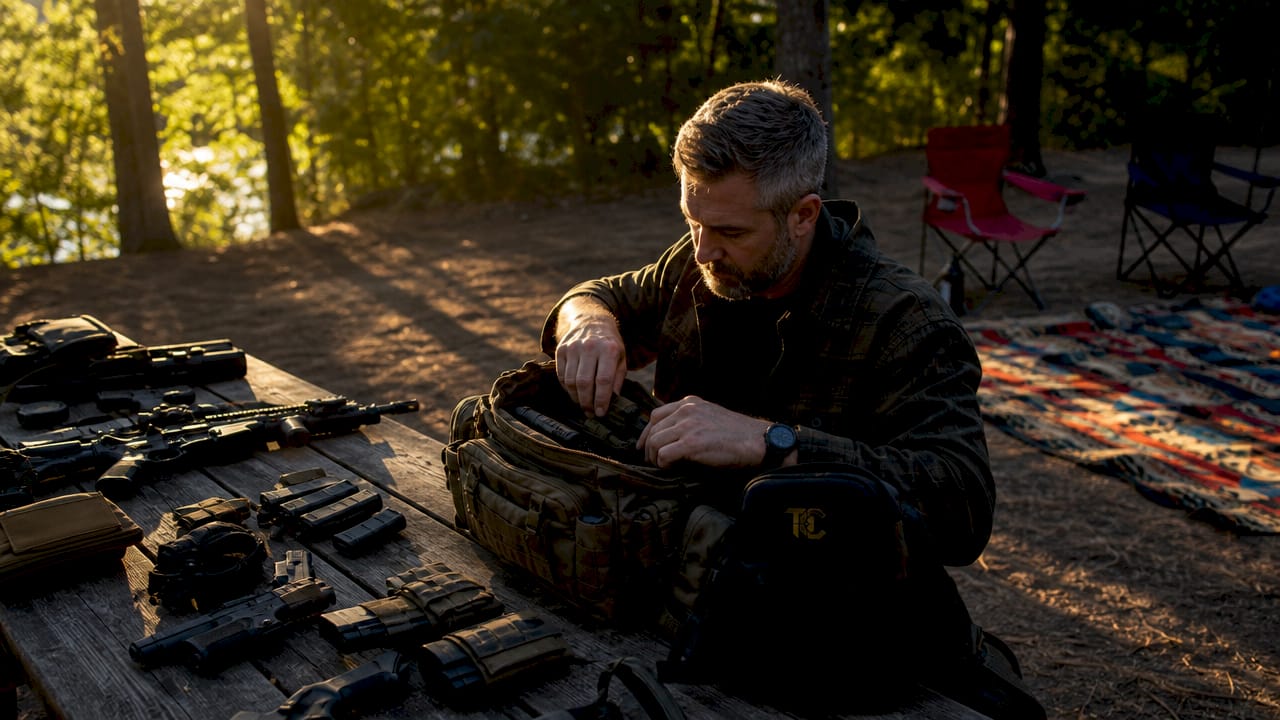
The right range bag is not the biggest one you can find. It is the one that fits your session type and keeps every item exactly where you expect it. Think of a well-organized range bag the way you think about a properly brewed cup of coffee: the right amount of everything, nothing wasted, nothing missing.
Range bags generally fall into three tiers. Small bags (under 1,000 cubic inches) work for a pistol-only session with one or two magazines and basic PPE. Medium bags (1,000–2,500 cubic inches) offer the best all-around organization for most shooters, with room for compartment zoning across ammo, PPE, tools, and admin gear. Large bags and rolling cases suit rifle shooters or anyone running a full-day course of fire.
| Bag Size | Best For | Key Features to Look For |
|---|---|---|
| Small | Pistol-only, quick sessions | Single main compartment, external mag pouches |
| Medium | Mixed pistol and rifle, half-day | Multiple compartments, reinforced base, lockable zippers |
| Large / Rolling | Full-day courses, rifle builds | Wheeled frame, padded dividers, dedicated PPE pocket |
Compartment zoning is the single most effective organizational habit you can build. Separate ammo, PPE, and tools into dedicated sections so you never dig through a pile of brass to find your ear muffs. A reinforced base keeps the bag stable on a shooting bench and protects loaded magazines from impact. Label each zone with a small tag or color-coded pouch so your setup is consistent every time.
Pro Tip: Pack your range bag the night before. Rushed morning packing is how chamber flags and tourniquets get left on the kitchen counter.
4. Comfort and miscellaneous accessories that make a real difference
Comfort gear is not optional for serious shooters. Fatigue affects accuracy, and the right accessories extend the quality of your session well past the first hour.
Shooting gloves protect your hands during high-volume pistol drills and provide grip in hot or cold weather. Look for a thin, tactile design that does not interfere with trigger feel. Footwear matters more than most shooters realize. A stable, closed-toe shoe with a non-slip sole keeps your stance consistent across different range surfaces. Tungstencreektactical covers tactical footwear selection in detail for shooters who want a full kit approach.
A compact first aid kit with at minimum a tourniquet, pressure bandage, and chest seal rounds out your safety loadout. The tourniquet in your bag is for range emergencies. The one on your belt or in your kit is for you. Carry both. A multi-tool handles everything from adjusting a red dot to tightening a grip screw on the bench. CLP (cleaner, lubricant, protectant) in a small bottle keeps your action running through a long session without a full teardown.
- Shooting gloves: Thin, tactile gloves reduce grip fatigue during high-round-count drills.
- Closed-toe, non-slip footwear: Stable footing is a safety and performance issue, not just a comfort preference.
- Compact trauma kit: Tourniquet, pressure bandage, and chest seal cover the three most common range injuries.
- Multi-tool: A Leatherman or similar tool handles optic adjustments, grip screws, and magazine disassembly without a full tool kit.
- CLP in a small bottle: Field lubrication keeps your firearm cycling reliably through extended sessions.
- Double hearing protection: Foam plugs worn under electronic muffs reduce exposure during high-caliber or indoor range sessions.
Key takeaways
The best range accessories combine certified protective gear, life-safety tools, and session-specific equipment to build a kit that performs every time you show up.
| Point | Details |
|---|---|
| Certified PPE is non-negotiable | Use ANSI Z87.1 eye protection and NRR 22+ ear muffs on every range visit. |
| Medical gear must be authentic | Buy CoTCCC-approved tourniquets from authorized vendors only to guarantee effectiveness. |
| Match your bag to your session | Medium bags suit most shooters; large bags and rolling cases fit full-day rifle courses. |
| Zone your bag by category | Separate ammo, PPE, and tools into dedicated compartments to save time during drills. |
| Specialized tools sharpen training | Shot timers, snap caps, and torque wrenches turn casual sessions into measurable practice. |
What I have learned from years of range days
The gear conversation in shooting circles tends to chase the newest optic or the lightest frame. What actually separates a productive range day from a frustrating one is the stuff nobody photographs: a mag loader that keeps your thumbs functional through round 200, a chamber flag that satisfies the range officer without a second look, and a bag organized well enough that you spend zero time searching for anything.
I have seen shooters show up with $3,000 pistols and no ear protection that actually fits. I have also watched a shooter with a budget rifle and a perfectly packed medium bag outwork everyone on the line because his setup was dialed in. The gear does not have to be expensive. It has to be right.
The counterfeit tourniquet problem is real and worth repeating. I have handled fake CAT tourniquets that looked identical to the genuine article until you tried to apply tension. The windlass snapped. Buy from authorized vendors, period. No amount of savings is worth that risk.
Electronic ear protection changed how I train. Being able to hear a range officer call a cold range without pulling my muffs off is a safety improvement, not a luxury. If you are still running foam plugs as your primary hearing protection, that is the first upgrade worth making. The top range accessories are the ones you actually use every session, not the ones that sit in the bottom of your bag.
— Brian
Tungstencreektactical has your range kit covered
Building a complete range kit means having the right gear for protection, performance, and training. Tungstencreektactical carries firearms, tactical accessories, and precision-built options for shooters who take their range time seriously.

Whether you are looking for a custom precision build or the right accessories to complete your kit, Tungstencreektactical brings together quality gear and honest guidance in one place. The mobile app lets you scan products, compare pricing, and unlock VIP benefits so you make informed decisions before you buy. For shooters who want expert guidance on selecting the right gear, the tactical accessories guide covers the full selection process from protection to performance tools.
FAQ
What are range accessories?
Range accessories are the gear, tools, and protective equipment shooters bring to improve safety and performance during a session. They include eye and ear protection, magazine loaders, chamber flags, tourniquets, and training tools like shot timers.
What hearing protection rating do I need for the range?
Use electronic ear muffs with a Noise Reduction Rating of 22 or higher. Electronic models amplify ambient sound while blocking impulse noise, making them safer and more practical than passive foam plugs.
How many rounds should I bring to a pistol range session?
Pistol shooters should carry 300 or more rounds to run volume drills effectively. Bringing fewer rounds limits your ability to practice transitions, malfunction drills, and timed strings.
Are magazine loaders worth buying?
Yes. High-quality mag loaders reduce thumb fatigue during extended sessions and improve reloading speed. They pay for themselves quickly if you run high round counts regularly.
Where should I buy a tourniquet for my range bag?
Buy only from authorized vendors selling CoTCCC-approved devices like the CAT Gen 7. Counterfeit tourniquets are widely sold online and can fail under real tension, making them dangerous rather than protective.
Recommended
Related Post
Discover the 5 ways
An introduction to Tactical Luxury Guns & Coffee We founded
Top 5 Best PCC’s
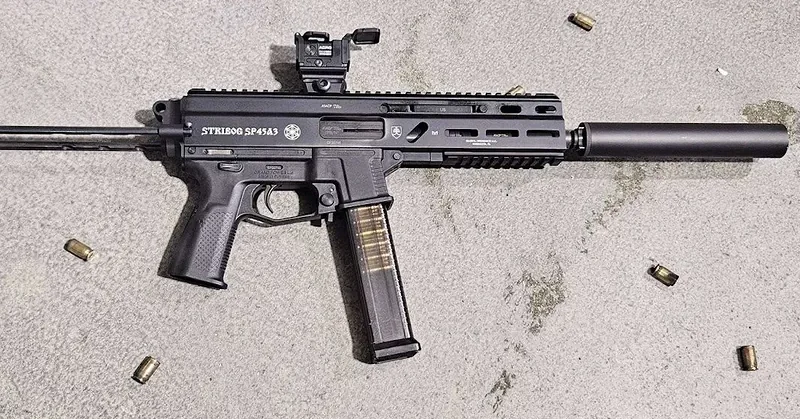
In 2026, the Pistol Caliber Carbine (PCC) market is no