
Why Choose Manual Safeties for Safer Firearm Handling
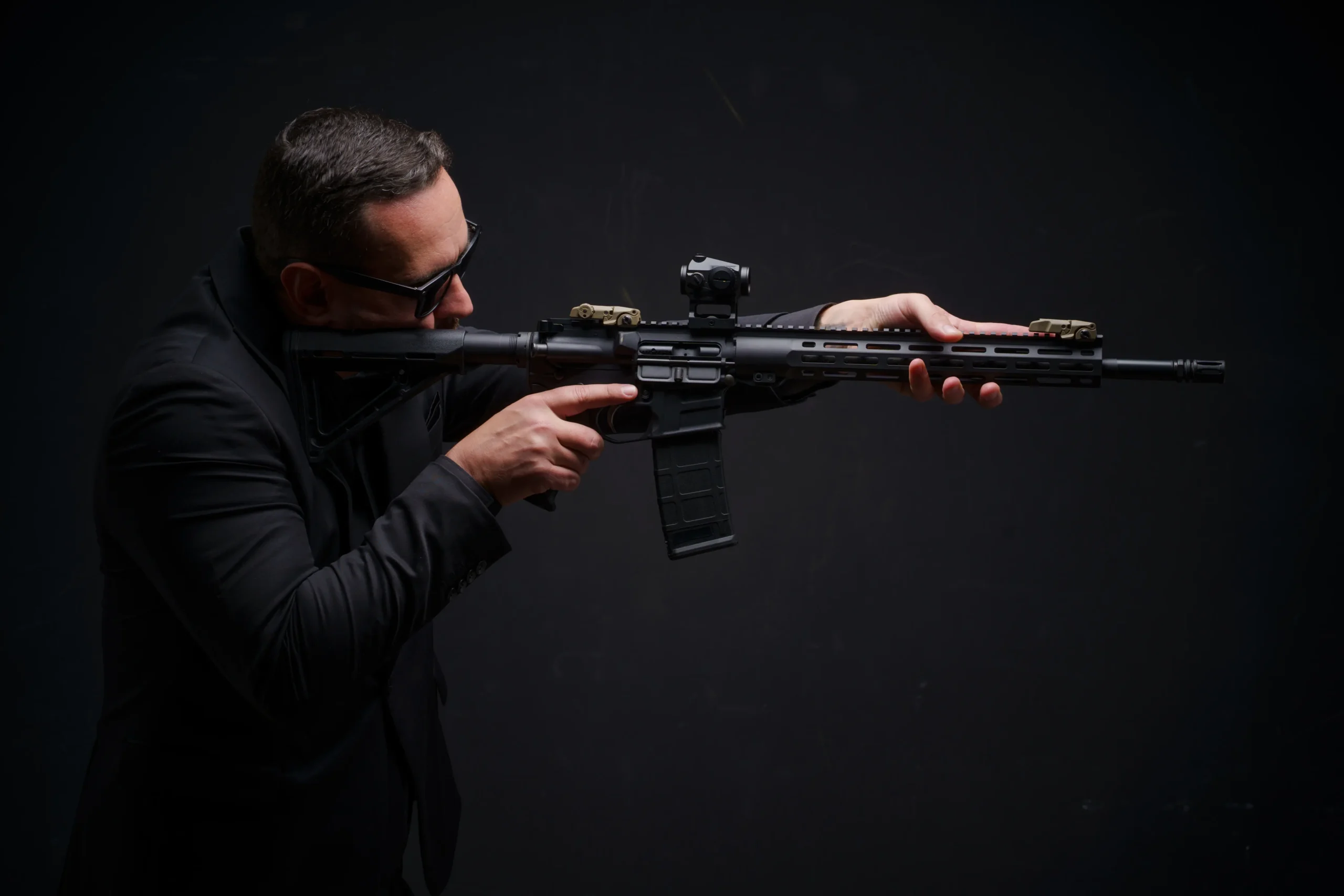
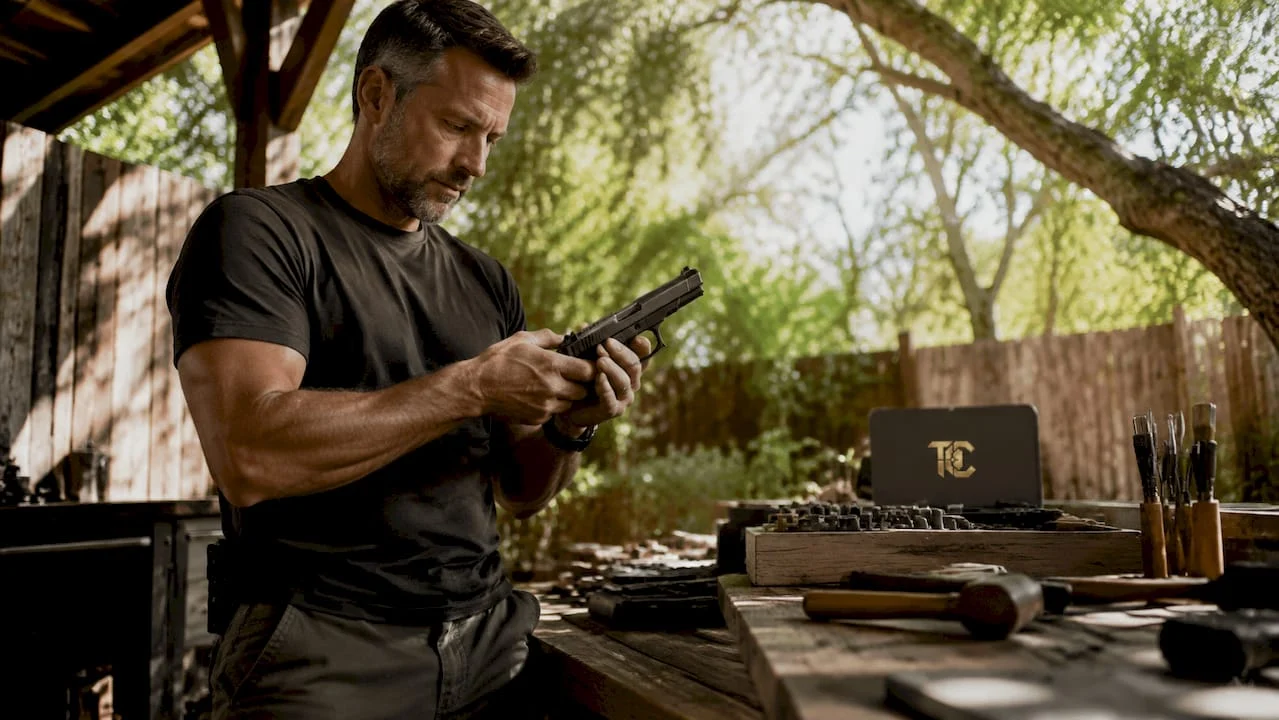
A manual safety is defined as a mechanical device on a firearm that requires deliberate user action to either block or allow the trigger to fire. Understanding why choose manual safeties comes down to one core fact: they add a physical barrier between intent and discharge that passive or internal safeties simply cannot replicate. For responsible gun owners, that extra layer of control is not a convenience. It is a calculated decision rooted in how you carry, how you train, and how you respond under pressure.
What advantages do manual safeties offer for firearm handling?
Manual safeties reduce negligent discharges by creating a mechanical block that prevents the trigger from moving unless you deliberately disengage the device. This matters most during reholstering, where negligent discharge risk is statistically higher than during firing. Clothing, gear, or a stiff holster edge can snag a trigger in a fraction of a second. A manual safety stops that from becoming a catastrophic event.
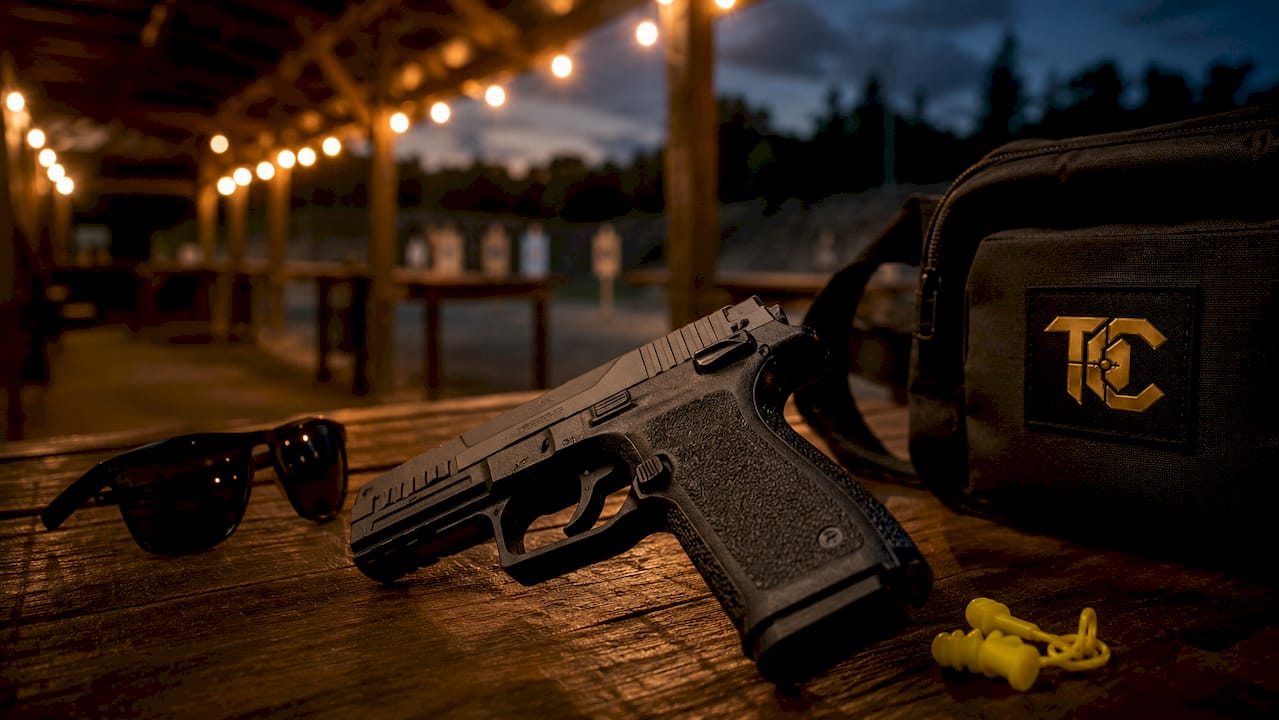
The benefits of manual safeties extend beyond reholstering. Pistols with short or light trigger pulls, such as single-action designs, carry a higher sensitivity risk during everyday movement. A mechanical block for light triggers allows you to carry these firearms confidently without worrying that a bump or shift in your waistband will cause an unintended discharge.
There is also a defensive advantage that most shooters overlook. If an attacker grabs your firearm during a struggle, an engaged manual safety delays an assailant’s ability to fire it immediately. That fraction of a second can be the difference between regaining control and losing it entirely.
Key manual safety advantages at a glance:
- Reholstering protection: Blocks accidental trigger contact from gear or clothing during the holster process.
- Light trigger compatibility: Enables safe carry of single-action pistols with sensitive trigger pulls.
- Defensive delay: An engaged safety can buy reaction time if your firearm is grabbed in a struggle.
- Shooting discipline: Training with a manual safety builds deliberate gun handling habits that carry over to every range session.
- Confidence for cautious carriers: Provides peace of mind for gun owners who feel anxious about carrying a loaded firearm without an external block.
Pro Tip: Practice your draw stroke with the safety engaged every single time at the range. Disengaging the safety should happen as your grip forms, not as a separate step after the draw.
What are the common concerns about manual safeties?
The most cited concern about manual safeties is speed. Shooters worry that engaging and disengaging an external safety will cost them critical time in a defensive situation. This concern is real but conditional. It applies almost entirely to undertrained shooters, not to those who practice consistently.
A second concern is the risk of forgetting to disengage the safety under stress. Stress narrows focus and disrupts fine motor skills. If your training has not made safety disengagement automatic, you may draw your firearm and find it unresponsive at the worst possible moment. This is not a flaw in the manual safety concept. It is a training gap.
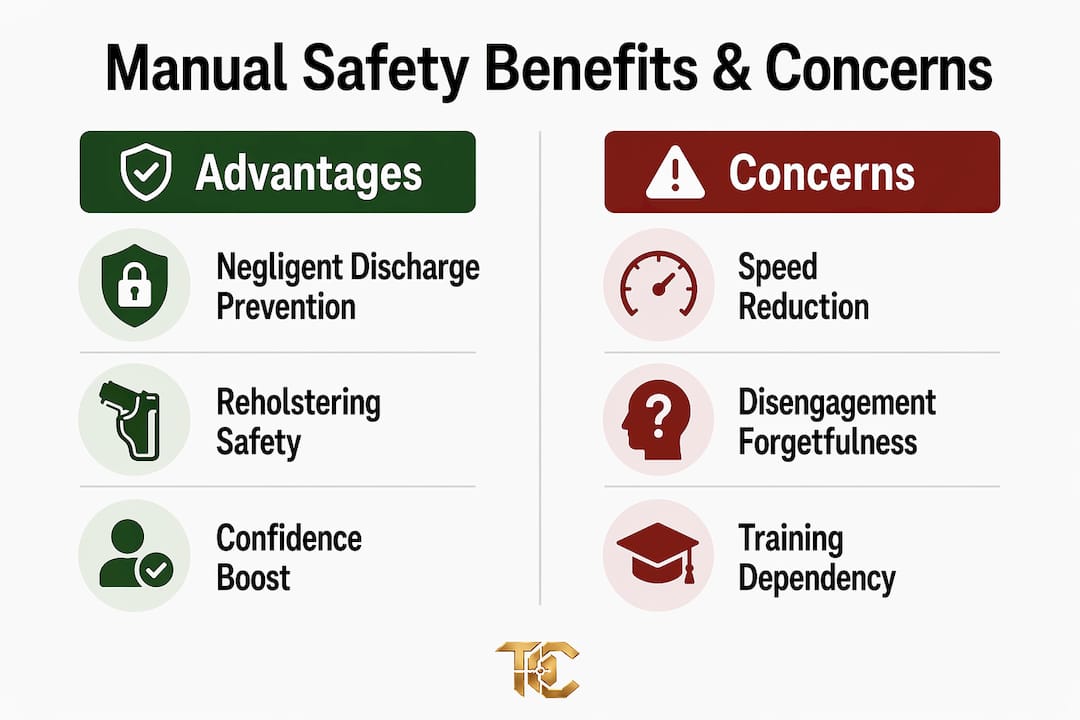
Mechanical safeties can fail if the firearm is abused, neglected, or improperly maintained. A safety is not a substitute for safe gun handling or proper storage. Treating it as your only line of defense against accidents is a mistake that no amount of mechanical engineering can fix.
Common concerns worth understanding:
- Speed under stress: Undertrained shooters may fumble the safety during a draw.
- Forgetting to disengage: Stress-induced hesitation is a real risk without consistent practice.
- Mechanical failure: Safeties require maintenance and can wear or break over time.
- Platform preference: Some shooters prefer striker-fired pistols with passive internal safeties for simplicity and fewer manual steps.
Pro Tip: Dry-fire practice at home is the most efficient way to build safety disengagement into muscle memory. Ten minutes of deliberate dry-fire daily outperforms an occasional range session for building this habit.
How does training shape the reliability of manual safety use?
Training converts safety disengagement from a conscious thought into an automatic physical response. The principle is identical to building muscle memory for chambering a round under stress. Both require repetition until the action happens without deliberate thought. Experienced shooters who train with manual safeties do not experience meaningful speed loss compared to those running striker-fired pistols without external safeties.
The AR-15 platform illustrates this well. Military and civilian shooters have used the AR-15’s manual safety selector for decades without it becoming a liability. The reason is standardized training. Every shooter learns to sweep the selector as part of the firing sequence, not as an interruption to it. The same principle applies to handgun manual safeties when training is consistent.
Consistent practice integrates safety disengagement into the draw routine so completely that it becomes invisible. Shooters who train this way report that the safety feels like a natural extension of their grip, not an obstacle.
A structured training approach for manual safety proficiency:
- Start with dry-fire. Practice drawing and disengaging the safety at home with an unloaded firearm until the motion is fluid.
- Add live-fire at the range. Run drills that require drawing from a holster with the safety engaged and firing on target.
- Introduce time pressure. Use a shot timer to measure draw-to-first-shot speed. Track improvement over weeks, not days.
- Simulate stress. Add movement, awkward positions, or partner observation to replicate real-world pressure during practice.
- Train with manual safeties improving discipline. Use the deliberate handling requirement to sharpen your trigger discipline and overall gun handling on every repetition.
Which firearms and shooters benefit most from manual safeties?
Single-action pistols benefit most from manual safeties because their trigger pulls are short and light by design. Carrying a cocked single-action pistol without an external safety is a risk that most responsible gun owners will not accept. The manual safety on these platforms is not optional. It is the engineering solution to a mechanical reality.
New gun owners and cautious carriers also benefit significantly. Manual safeties enhance confidence for individuals who feel anxious about carrying a loaded firearm. That confidence is not a weakness. It is what keeps new shooters engaged with responsible ownership rather than leaving their firearm locked away and inaccessible when they need it.
Open carry situations and high-risk environments present another strong case for external safeties. When your firearm is visible and potentially accessible to others, an engaged manual safety adds a layer of protection that internal passive safeties alone do not provide.
| Firearm type | Trigger action | Manual safety benefit |
|---|---|---|
| Single-action pistol | Short, light pull | Critical for safe carry; prevents accidental discharge |
| Double-action/single-action | Variable pull weight | Adds security on the lighter single-action follow-up shots |
| Striker-fired pistol | Consistent mid-weight pull | Optional; some shooters prefer the added external block |
| Revolver | Long, heavy double-action pull | Rarely needed; trigger weight serves as natural resistance |
Choosing a concealed carry pistol with or without a manual safety depends on your trigger type, your training level, and your honest assessment of how you carry day to day. There is no universal right answer. There is only the answer that fits your discipline and your platform.
Key Takeaways
Manual safeties provide the most value when matched to the right firearm platform and backed by consistent, deliberate training.
| Point | Details |
|---|---|
| Reholstering protection | Manual safeties block trigger contact during holstering, where accidental discharge risk is highest. |
| Light trigger compatibility | Single-action and sensitive pistols require an external safety for responsible daily carry. |
| Training removes speed concerns | Consistent dry-fire and live-fire practice makes safety disengagement automatic and fast. |
| Defensive grab advantage | An engaged safety delays an attacker who grabs your firearm, buying critical reaction time. |
| Platform and shooter fit | New carriers, open carriers, and single-action users benefit most from manual safety features. |
What I’ve learned from years of carrying with a manual safety
I’ll be honest. My first reaction to manual safeties was skepticism. I trained on striker-fired pistols and convinced myself that the extra step was a liability I did not need. That position lasted until I watched a training partner fumble a reholster and put a round through his holster. No injury, but the lesson was immediate and permanent.
What changed my thinking was not a single event. It was the accumulation of range time with a manual safety equipped pistol. Within a few months of deliberate practice, I stopped noticing the safety at all. The disengagement happened as my hand formed its grip. The engagement happened as the pistol cleared the target. It became as natural as the trigger press itself.
The defensive grab argument also shifted my perspective more than I expected. Thinking through real-world scenarios where a firearm could be taken from you, the engaged safety becomes an asset rather than a liability. An attacker who grabs your pistol and cannot immediately fire it has given you a window. That window is small, but it is real.
My honest recommendation is this: assess your platform first. If you carry a single-action pistol, a manual safety is not a preference. It is a requirement. If you carry a striker-fired pistol, the decision comes down to your training commitment and your comfort level. A manual safety on a well-chosen handgun rewards the shooter who trains with it. It punishes the one who does not.
— Brian
Tungstencreektactical has the firearms and expertise to match your safety needs
Choosing the right firearm is a decision that deserves more than a quick online search. At Tungstencreektactical, we work with gun owners who want a platform built around their carry style, their training level, and their safety preferences.

Whether you are looking at a custom-built firearm with specific safety configurations or working through a firearms comparison to find the right platform for your needs, our team brings real-world knowledge to every conversation. We also carry a curated selection of tactical accessories and gear to support responsible, well-equipped ownership. Stop by or reach out. The right setup starts with the right conversation.
FAQ
What is a manual safety on a firearm?
A manual safety is a mechanical lever or button that physically blocks the trigger or striker from moving until the shooter deliberately disengages it. It requires intentional user action to activate or deactivate.
Do manual safeties slow down your draw?
Undertrained shooters experience a speed penalty, but trained users disengage safeties instinctively as part of their draw stroke with no meaningful delay.
Are manual safeties reliable?
Manual safeties are reliable when properly maintained, but they can fail if abused or neglected. They are a supplement to safe gun handling, not a replacement for it.
Which pistols benefit most from manual safeties?
Single-action pistols with short, light trigger pulls benefit most because the manual safety is the primary mechanical barrier against accidental discharge during carry.
Can a manual safety help in a defensive situation?
Yes. An engaged safety delays an attacker who grabs your firearm, giving you a critical window to regain control or create distance.
Recommended
Related Post

Discover the 5 ways
An introduction to Tactical Luxury Guns & Coffee We founded
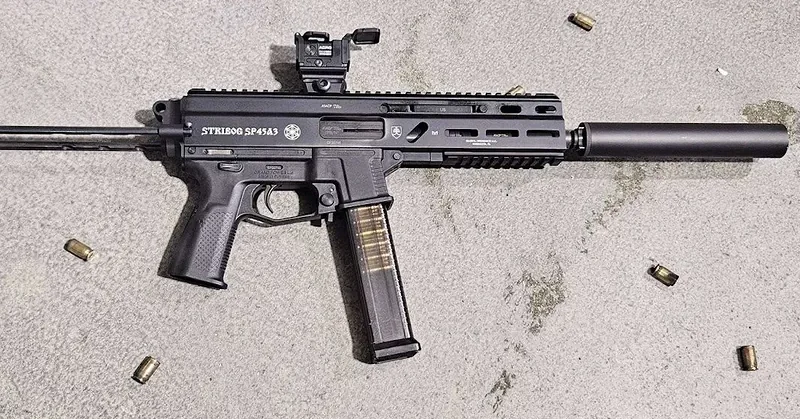
Top 5 Best PCC’s
In 2026, the Pistol Caliber Carbine (PCC) market is no