
Choose the right firearm accessories for maximum performance
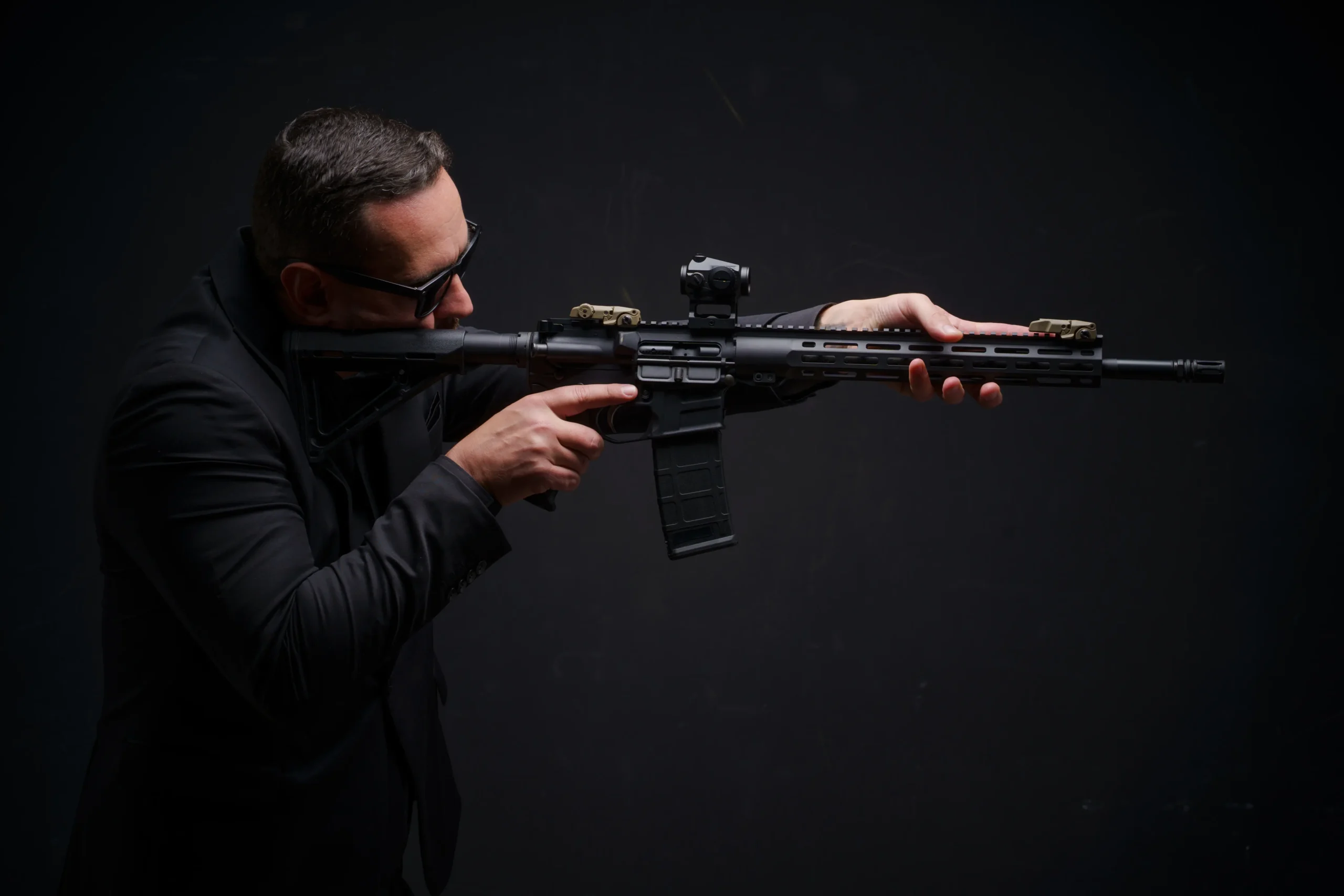
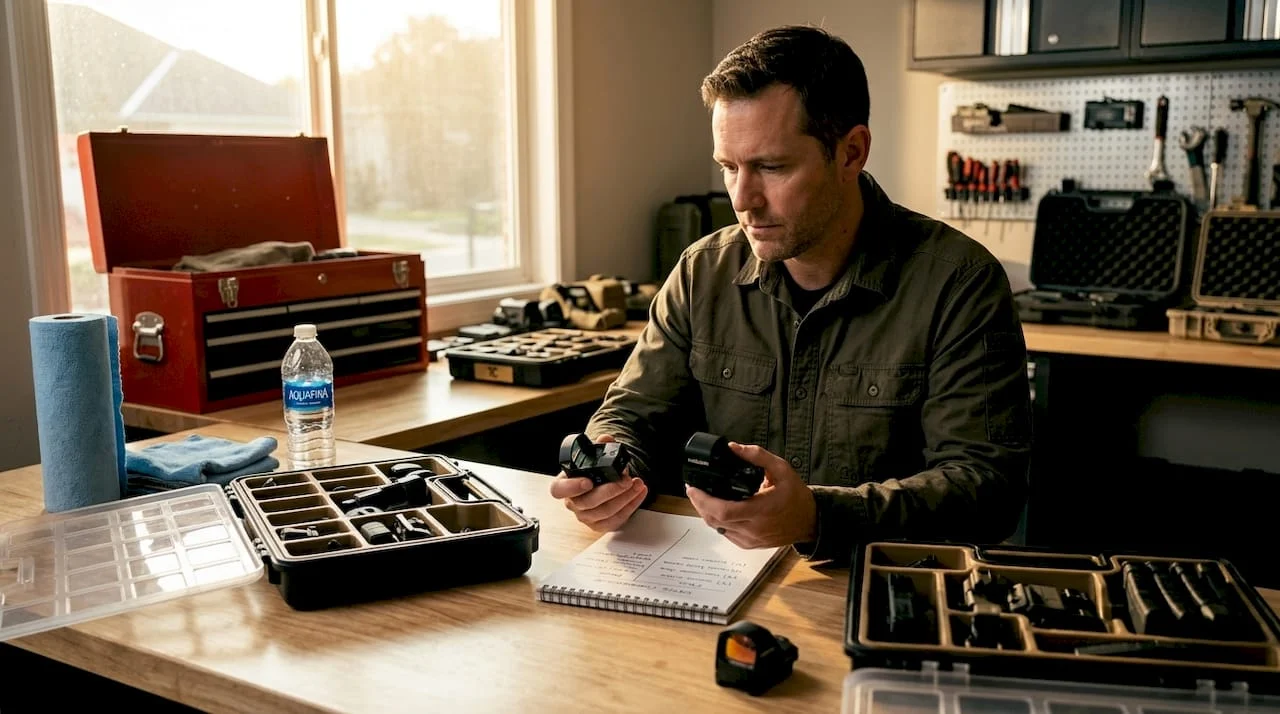
Selecting the wrong firearm accessory is not just a waste of money. It can compromise your safety, degrade your weapon’s reliability, and put you at a tactical disadvantage when it matters most. The accessory market is enormous, flooded with options that range from genuinely transformative to dangerously overhyped. Knowing how to cut through the noise requires a framework built on real-world use, not spec sheets alone. This guide walks you through essential gear, tactical selection criteria, aftermarket upgrades, and troubleshooting so you can build a setup that actually works for your specific needs.
Table of Contents
- Essential firearm accessories for beginners
- Selecting tactical firearm accessories: Factors to consider
- How aftermarket firearm accessories enhance performance and customization
- Troubleshooting common accessory issues
- What most guides miss about firearm accessories: Practical lessons
- Upgrade your gear with expert-selected firearm accessories
- Frequently asked questions
Key Takeaways
| Point | Details |
|---|---|
| Prioritize safety accessories | Start with the basics: secure storage, locks, and reliable magazines are essential. |
| Evaluate compatibility | Always ensure your accessories match your firearm’s model and intended use. |
| Understand optics differences | Know whether you need a FFP or SFP reticle and how parallax affects shot placement. |
| Upgrade for customization | Aftermarket accessories let you personalize performance but require careful selection. |
| Troubleshoot before replacing | Diagnose accessory issues methodically and consult experts when safety is at stake. |
Essential firearm accessories for beginners
With the foundation set, let’s break down the essential accessories for new owners.
Every responsible firearm owner should start with a core set of accessories before adding anything tactical or specialized. Think of it like building a strong cup of coffee before you start experimenting with exotic roasts. Get the basics right first, and everything else falls into place more naturally.
The foundational accessories fall into a few clear categories:
- Optics: Red dot sights, magnified scopes, or iron sights depending on your intended use
- Stocks: Fixed or adjustable to match your body and shooting position
- Magazines: Reliable, high-quality magazines matched to your firearm’s caliber and action
- Cases and storage: Hard cases for transport, safes for home storage
- Cleaning kits: Bore brushes, rods, solvent, lubricant, and patches
- Safety equipment: Gun locks, trigger guards, and biometric safes
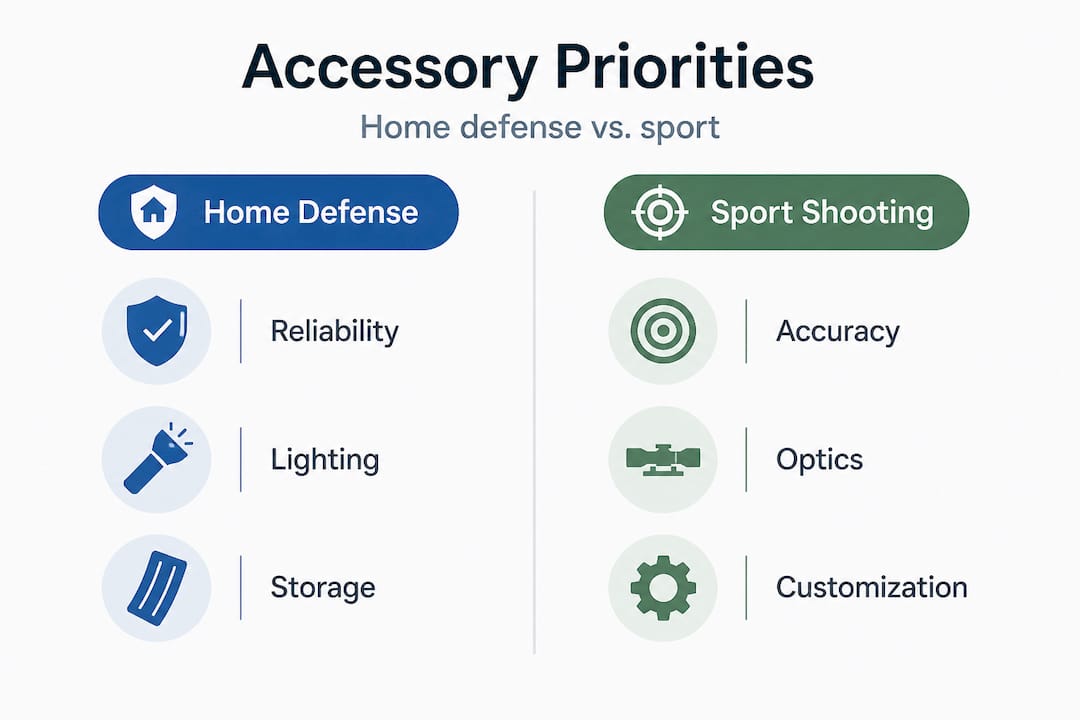
Understanding your primary use case shapes which of these you prioritize. A home-defense firearm demands a reliable light, a secure safe, and quality hollow-point magazines. A hunting rifle calls for a magnified optic, a durable sling, and weather-resistant storage. A sport shooter benefits from an adjustable stock and precision optics right away. Review the firearm buying steps before finalizing any accessory choices, because your firearm’s platform determines what fits.
One area that causes immediate confusion for new owners is optics. Specifically, the difference between first focal plane (FFP) and second focal plane (SFP) designs matters more than most beginners realize. FFP reticles scale with magnification; SFP reticles are fixed. This means an FFP reticle keeps your holdover marks accurate at any zoom level, while an SFP reticle is only calibrated at one specific magnification. For dynamic shooting or hunting, FFP gives you more flexibility. For target shooting at a fixed distance, SFP is often sufficient and usually less expensive.
| Accessory | Primary purpose | Priority level |
|---|---|---|
| Optics | Aim improvement, accuracy | High |
| Cleaning kit | Maintenance, reliability | High |
| Storage safe | Security, legal compliance | High |
| Adjustable stock | Ergonomics, accuracy | Medium |
| Sling | Carry, stability | Medium |
| Trigger guard | Drop safety | High |
| Magazine loader | Convenience, speed | Low |
If you are newer to ownership, buying your first firearm provides a solid framework for matching gear to realistic use cases. Start lean, master the basics, and add complexity with purpose.
Selecting tactical firearm accessories: Factors to consider
Now that essentials are covered, let’s dive into tactical gear selection with a practical framework.
Moving beyond basics into tactical territory requires a disciplined evaluation process. Not every accessory that looks impressive on a YouTube review will perform under the conditions you actually face. The selection process should run through four core factors consistently.
- Compatibility: Verify that any accessory is designed for your specific firearm model, rail system, and caliber. A stock or handguard that fits an AR platform may be useless or dangerous on a different receiver.
- Ergonomics: The accessory should improve your natural grip, stance, and sight picture. If it forces you into an unnatural position, it will slow you down regardless of its quality.
- Reliability: Tactical accessories must function under stress, in dirt, cold, and heat. Read reviews from users in field conditions, not just range conditions.
- Legal requirements: Suppressor laws, magazine capacity restrictions, and stock regulations vary by state. Always verify local laws before purchasing. Review current firearm storage solutions and legal storage requirements in your jurisdiction too.
When evaluating optics specifically, parallax error is a factor most beginners overlook until it costs them a shot. Parallax error can shift point of impact when your eye position changes behind the scope, which matters most in fast-moving situations. Choosing a low-parallax optic, typically one set at 50 or 100 yards, reduces that error and keeps your first-round hits more consistent under field conditions.
| Factor | Optics | Stocks | Magazines |
|---|---|---|---|
| Compatibility | Mount type, rail standard | Receiver type, caliber | Firearm model, feed lips |
| Ergonomics | Eye relief, reticle clarity | Length of pull, cheek weld | Grip angle, weight |
| Reliability | Fog-proof, waterproof rating | Material, locking mechanism | Feed reliability, finish |
| Legal | State restrictions on magnification | Featureless laws in some states | Capacity limits by state |
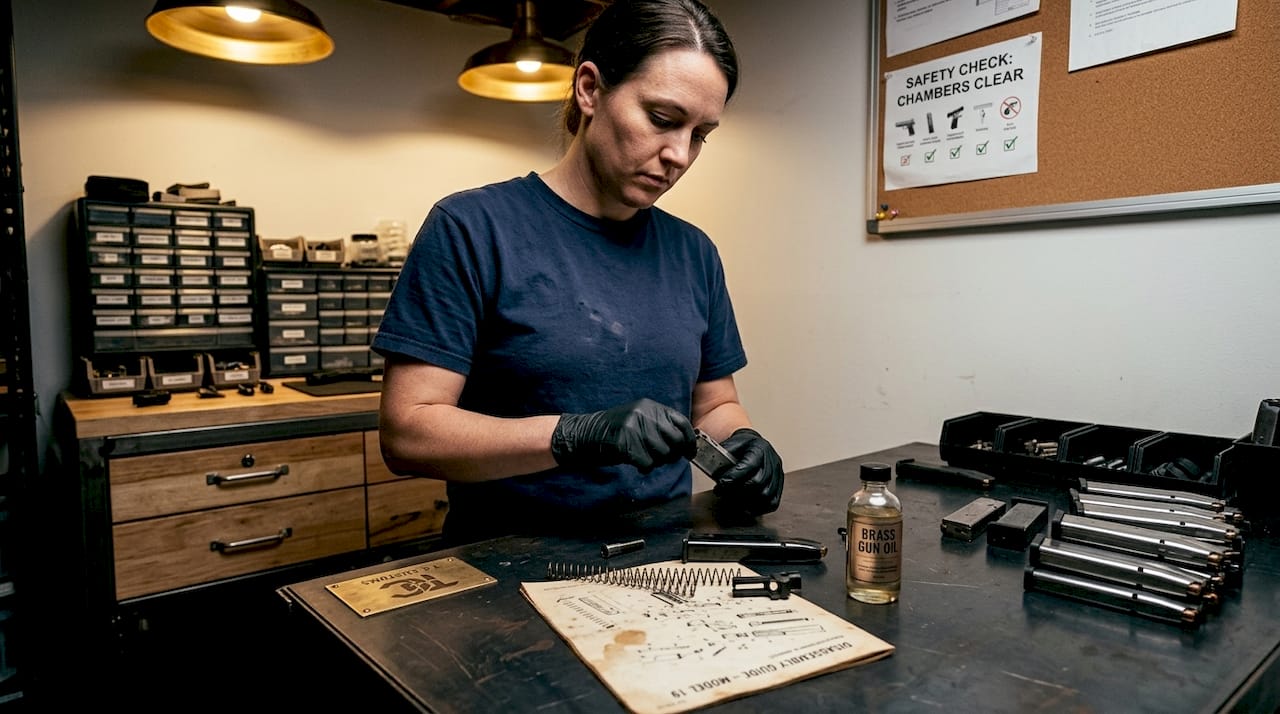
Magazines deserve special attention because they are the most frequently replaced and most commonly faulty component in any semi-automatic system. Steel-body magazines generally offer more durability than polymer in extreme temperatures, while polymer offers lighter weight. For home defense, consider exploring personal defense ammo and pairing your ammunition selection with a magazine that feeds it reliably.
If you value long-term flexibility, modular firearm benefits are worth understanding before committing to a platform-specific accessory investment. Modular systems let you swap components quickly, making your accessory dollars go further across multiple builds.
Pro Tip: Always test new accessories in realistic conditions before relying on them in a defensive or competitive role. A dry-fire session at home and a few rounds at the range are not enough to validate a piece of tactical gear. Run it hard, deliberately introduce stress, and see how it holds up.
Make sure you also consult secure storage tips to ensure your storage setup meets both legal and practical needs as your collection grows.
How aftermarket firearm accessories enhance performance and customization
Understanding selection factors, let’s explore how upgrades drive customization and performance.
The aftermarket is where real firearm personalization happens. A stock firearm from the factory is built to appeal to the widest possible audience. Aftermarket upgrades let you tailor the platform to your body, your mission, and your skill level. Aftermarket accessories can improve accuracy, ergonomics, and safety when selected and installed correctly.
Common and high-impact aftermarket upgrades include:
- Trigger groups: A cleaner, shorter break improves shot-to-shot consistency and reduces flinch anticipation
- Buffer systems: A quality buffer and spring reduce felt recoil, which aids faster follow-up shots
- Optics upgrades: Moving from a basic red dot to a quality LPVO (low-power variable optic) opens up both close and medium-range capability
- Grips and grip tape: Better texture and angle reduce shifting during recoil, improving control
- Stocks and braces: Adjustable stocks fine-tune length of pull for different shooters or different shooting positions
- Muzzle devices: Flash hiders, compensators, and suppressors each address different aspects of muzzle control and signature
“An accessory must match the firearm’s intended mission. A competition trigger has no place on a home-defense pistol if reliability is even slightly in question. Build around purpose, not around popularity.”
Following firearm technology trends helps you identify which innovations actually address real shooting challenges versus what is simply new and marketed aggressively. Not every technological advancement in the aftermarket translates to meaningful field performance gains.
Safety is non-negotiable when installing aftermarket parts. Some trigger kits, for example, reduce factory-set tolerances in ways that can cause unintentional discharges if installed improperly. Always verify that aftermarket parts meet or exceed the original manufacturer’s reliability standards. Regular firearm maintenance tips become even more important once you start modifying a platform, because upgraded components sometimes require different lubrication intervals or inspection points.
Pro Tip: Document every upgrade you make, including the date, manufacturer, model number, and installation source. This record protects your warranty claims, supports insurance documentation, and helps a gunsmith diagnose issues quickly if something goes wrong months later.
Finish and coating upgrades are often overlooked but matter considerably for long-term durability. Quality gun coatings protect against corrosion, reduce friction between moving parts, and can extend the service life of both the firearm and the aftermarket accessories attached to it. If you invest in fine craftsmanship, protecting it properly is the logical next step. The same attention to detail that goes into firearm craftsmanship should carry through to every accessory decision you make.
Troubleshooting common accessory issues
Even the best gear can be problematic; here’s how to troubleshoot effectively.
Even carefully selected, properly installed accessories develop issues. Recognizing the symptoms early and knowing how to respond keeps you safe and your firearm functional. Misaligned optics and defective magazines are frequent sources of reliability issues that shooters encounter after adding aftermarket components.
Follow this step-by-step process when an accessory problem surfaces:
- Confirm a safe condition first. Remove the magazine, lock the action open, visually and physically verify the chamber is clear. Never adjust any accessory on a loaded firearm.
- Identify the symptom precisely. Is the optic zeroed but groups are wandering? Is the magazine dropping during recoil? Is the stock loosening after each session? Precise identification prevents misdiagnosis.
- Check mounting hardware. Loose screws on optic rings or stock attachment points are the most common and most overlooked cause of performance issues. Use a torque wrench set to manufacturer specifications, and apply thread locker where recommended.
- Test with known-good components. Swap in a factory magazine or remove the aftermarket optic and test with iron sights to isolate whether the accessory or the firearm is the source of the problem.
- Review compatibility documentation. Some accessories require specific adapter plates, shim sets, or mounting hardware that is not included in the base package. Re-read the manufacturer’s installation instructions carefully.
- Assess whether the fix is within your skill level. Simple torque adjustments and zeroing corrections are owner-level tasks. Trigger group issues, barrel nut problems, or receiver-level fits are gunsmith territory.
“Safety comes before diagnosis. A misaligned optic is an inconvenience. A negligent discharge during troubleshooting is a tragedy. Clear the firearm completely before you touch any component.”
For persistent reliability issues, detailed firearm maintenance advice provides a structured approach to identifying whether the problem is accessory-related or stems from the firearm itself. Stock looseness, for example, sometimes traces back to receiver wear rather than a faulty stock. A qualified gunsmith can measure tolerances and give you a definitive answer.
When in doubt about any fix that involves the trigger group, recoil system, or barrel assembly, seek professional help. The cost of a gunsmithing consult is far lower than the cost of a malfunction in a critical moment.
What most guides miss about firearm accessories: Practical lessons
Most firearm accessory guides focus on what to buy. Fewer address what not to do once you start building out a setup. After working with a wide range of shooters and platforms, a clear pattern emerges: over-accessorizing is one of the most common and most costly mistakes in the tactical community.
Adding rail-mounted devices, extended magazines, suppressor adapters, angled foregrips, and lights to a single firearm sounds like a comprehensive setup. In practice, it creates a heavy, awkward platform that is slower to deploy, harder to maintain, and more prone to accessory conflicts. A flashlight mount that works perfectly with your factory hand guard may interfere with a new aftermarket grip, forcing you to choose between them after you have already spent the money.
The smarter approach is to invest in modular firearm flexibility from the start. A modular platform lets you run a clean, minimal setup for everyday carry or home defense, then add components when the mission calls for it. You are not locked into one configuration, and you avoid the performance drag of carrying gear you do not actually need.
Hype cycles in the tactical industry are real and expensive. A new optic design or grip system will generate enormous buzz before most users have had time to field test it. Ignore the noise. Ask yourself one honest question before every purchase: does this solve a specific problem I currently have, or does it just look impressive? Answering that question honestly will save you hundreds of dollars and keep your setup genuinely functional.
Long-term value in firearm accessories comes from quality and fit, not from quantity. One well-chosen optic that suits your shooting style will outperform three cheaper alternatives every time. The same principle applies to every other component category. Think less like a collector and more like a professional who depends on the gear.
Upgrade your gear with expert-selected firearm accessories
Having learned best practices, the next step is to enhance your gear with top-tier solutions.
At Tungsten Creek Tactical, we make it straightforward to apply everything you have learned here to actual purchases. Our catalog is built around transparency and function, not hype. Whether you are starting fresh or refining a build you have carried for years, we stock accessories that are tested, vetted, and matched to real-world use.
Explore our custom gun builds service if you want a platform configured precisely to your body and mission from day one. For a reliable, optics-ready pistol that pairs well with both beginner and advanced accessories, the FN 502 Tactical pistol is a strong starting point. And when your upgrade project reaches a level of complexity that calls for professional hands, our professional gunsmithing team is ready to get the job done right. Use our mobile app to scan, compare, and unlock VIP pricing before you commit to your next build.
Frequently asked questions
What are the most important firearm accessories for new owners?
Safety equipment, reliable magazines, cleaning kits, and a secure storage solution are essential starting points for every new firearm owner before any tactical accessories are considered.
How do optics with low parallax improve shooting accuracy?
Low parallax optics reduce POI shifts when you shift your eye position, making fast target acquisition and first-round hits more consistent across varying shooting positions.
Do aftermarket accessories affect firearm reliability?
Aftermarket accessories enhance performance and customization when compatible and properly installed, but poorly fitted or low-quality parts can introduce feeding, cycling, or safety issues.
What is the difference between FFP and SFP optics?
FFP reticles scale with magnification, keeping holdover marks accurate at any zoom level, while SFP reticles stay the same size and are only calibrated at one specific power setting.
When should I consult a professional gunsmith about accessory issues?
Consult a gunsmith when you encounter persistent reliability problems, complicated installs that exceed your skill level, or any situation where safety is uncertain after troubleshooting.
Recommended
Related Post

Discover the 5 ways
An introduction to Tactical Luxury Guns & Coffee We founded
Top 5 Best PCC’s
In 2026, the Pistol Caliber Carbine (PCC) market is no