
Benefits of Owning Firearms: A Practical Adult Guide
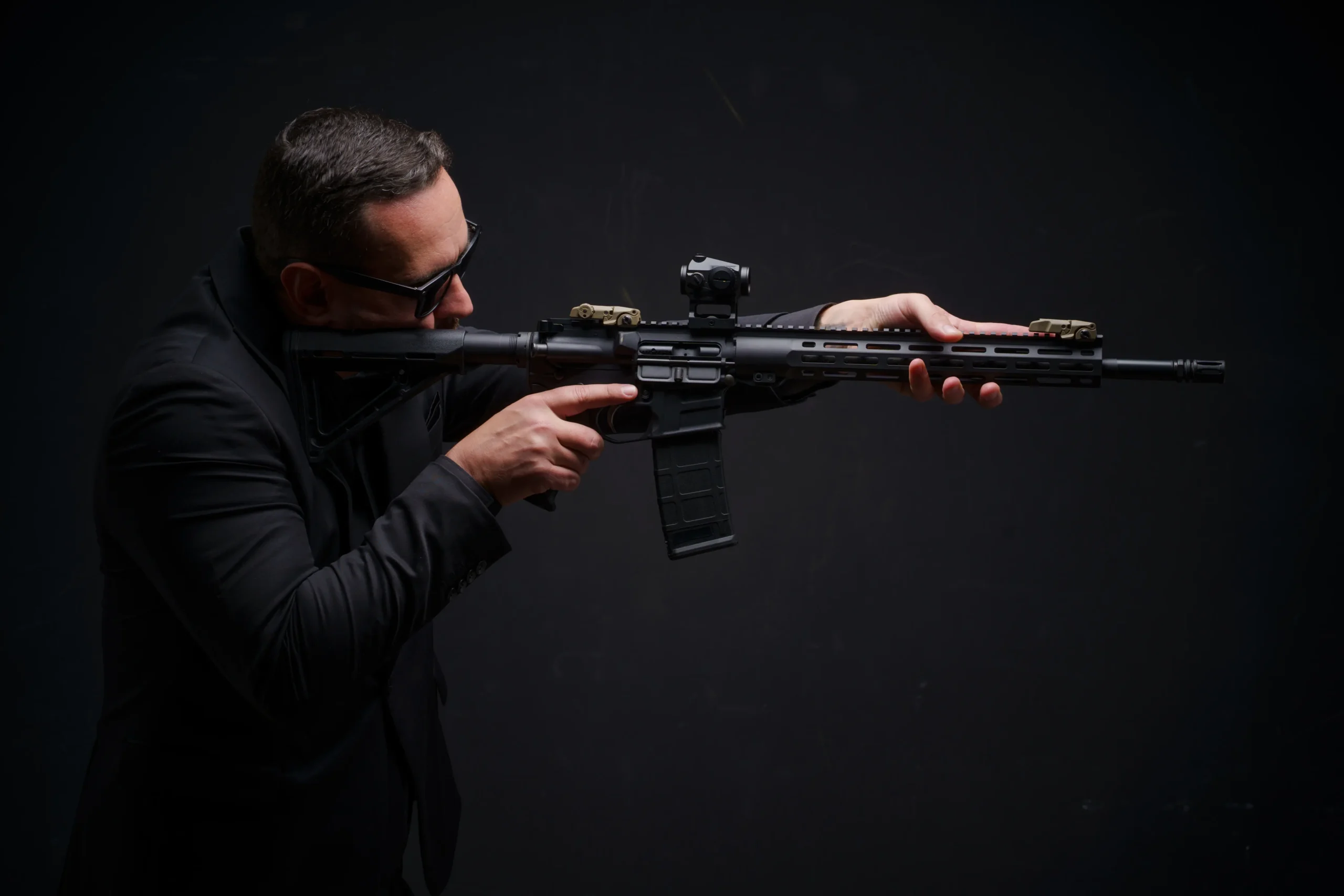
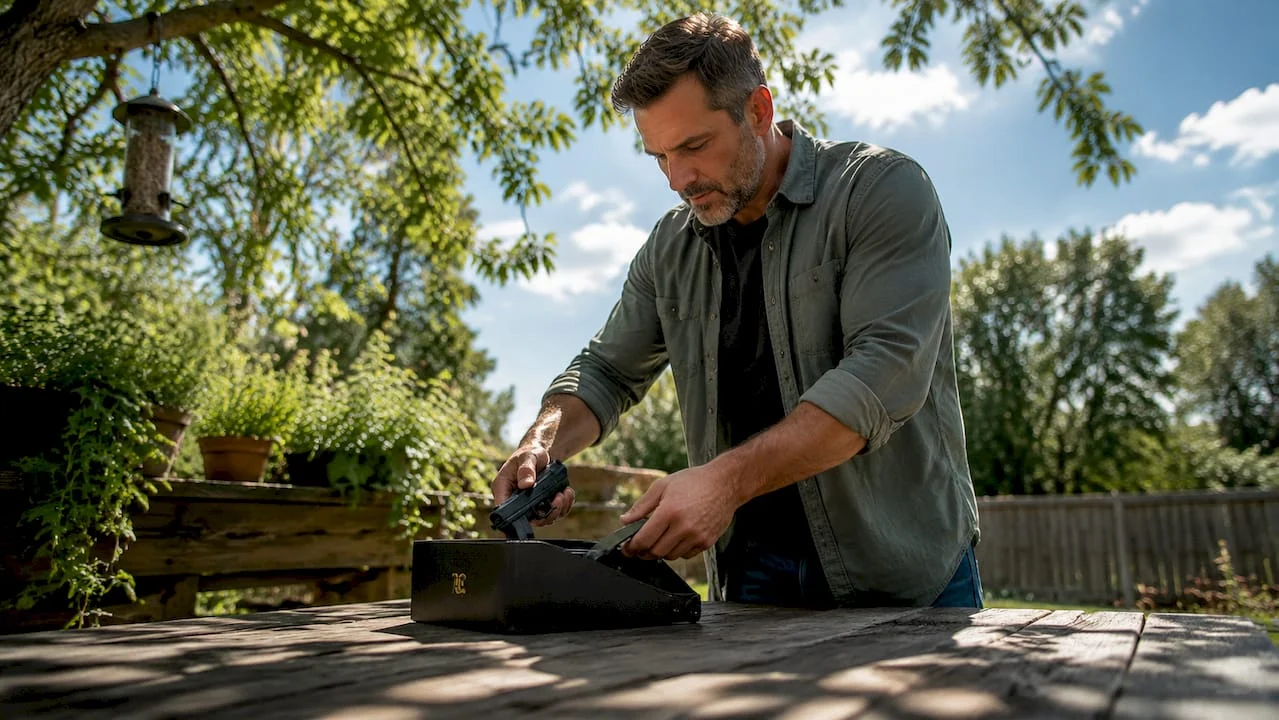
Firearm ownership is defined by three core advantages: personal protection, recreational value, and the discipline of responsible citizenship. Protection drives ownership for 77% of American gun owners, making self-defense the single most cited reason to own a gun. The benefits of owning firearms extend well beyond the home, reaching into sport shooting ranges, hunting fields, and community safety conversations. This guide covers each advantage with data, real examples, and the kind of practical context that helps you make an informed decision.
1. What are the core benefits of owning firearms?
Firearm ownership delivers three measurable benefits: personal safety, recreational engagement, and the development of disciplined responsibility. These are not abstract claims. They show up in survey data, crime statistics, and the lived experience of millions of American gun owners. Understanding all three helps you decide which purpose matters most to you and how to pursue it well.
2. Personal protection and home defense
Self-defense is the primary driver of gun ownership in America. 77% of gun owners cite personal protection as their main reason for owning a firearm, and 69% believe ownership increases their home safety. That belief is grounded in real deterrence, not just perception.
Estimates of defensive gun use range from 65,000 to 2.5 million incidents per year. Even the conservative end of that range represents a significant number of situations where a firearm prevented harm. The wide range reflects different methodologies, but both ends confirm that defensive use happens at meaningful scale.
Concealed carry offers a specific protective advantage for women. Research shows that carrying a concealed weapon helps overcome size and strength disparities in physical attacks, and that communities with higher rates of concealed carry see reduced murder rates for women. Law enforcement recognizes this. 91% of street police officers support concealed carry laws for law-abiding citizens.
Key self-defense advantages of firearm ownership include:
- Deterrence effect: The presence of a firearm can stop a threat before it escalates.
- Home defense readiness: A properly stored handgun provides fast access during a break-in.
- Equalization: A firearm gives a smaller or older person a realistic defense against a larger attacker.
- Concealed carry protection: 56% of gun owners carry specifically for self-defense outside the home.
Pro Tip: If home defense is your primary reason for owning a firearm, practice the 5-second access rule. Your firearm should be reachable and ready within five seconds from any room you sleep in, without compromising secure storage.
3. Recreational and sporting advantages
Recreation is the second most common reason Americans own firearms. 38% of gun owners cite recreational use as a primary purpose, and 32% own specifically for hunting. These numbers reflect a genuine culture of sport and tradition, not just a secondary afterthought.
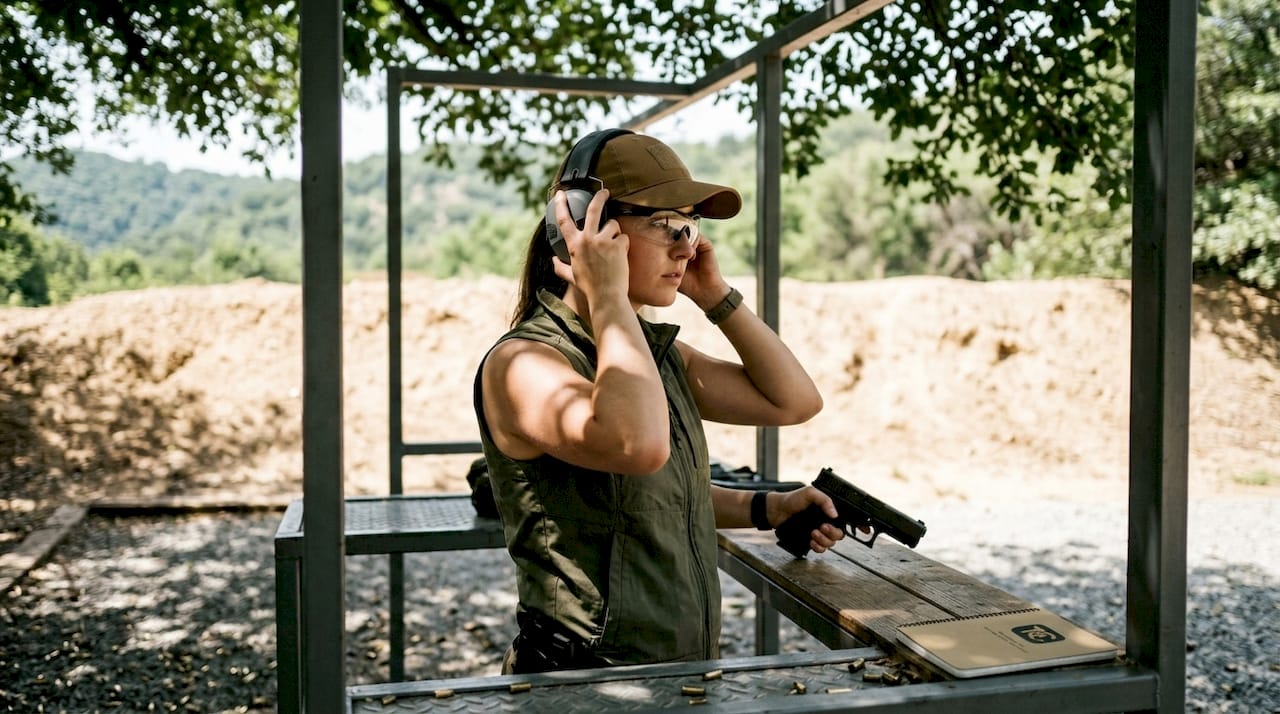
Sport shooting disciplines include practical shooting competitions like USPSA and IDPA, precision rifle matches, three-gun competitions, and Olympic-style target shooting. Each discipline builds a different skill set, from speed and accuracy under pressure to long-range ballistic calculation. The mental focus required is comparable to golf or archery. You are managing breath control, trigger discipline, and situational awareness simultaneously.
Hunting adds a layer of outdoor engagement that sport shooting alone does not provide. Hunters develop field craft, wildlife knowledge, and patience alongside their shooting skills. The physical demands of a backcountry elk hunt or a predawn waterfowl blind are real. Firearm ownership makes these experiences possible.
Collecting is a third recreational dimension. Historical firearms from manufacturers like Colt, Winchester, and Smith and Wesson carry both monetary and cultural value. A well-maintained Colt Single Action Army or a pre-64 Winchester Model 70 appreciates over time like a well-chosen piece of art. The craftsmanship in these pieces rewards close attention, much like a properly aged cigar rewards patience.
Recreational benefits at a glance:
- Competitive shooting sports build focus, discipline, and physical coordination.
- Hunting supports conservation funding through the Pittman-Robertson Act excise tax.
- Collecting preserves American manufacturing history and heritage.
- Range shooting provides a structured, social activity for families and friend groups.
4. The role of responsible ownership in firearm benefits
Responsible ownership is not a limitation on firearm benefits. It is the foundation that makes those benefits sustainable. Secure storage can reduce the risk of injury in firearm households by up to 85%, particularly in homes with children. That single practice changes the risk profile of ownership dramatically.
Relying on verbal instruction alone is not sufficient. Teaching children not to touch a firearm is a starting point, not a safety system. Locked storage, separate ammunition storage, and quality gun safes are the actual mechanisms that prevent unauthorized access. The NSSF’s Gun Storage Check Week campaign highlights this annually, reinforcing that secure storage defines modern responsible ownership identity.
Women gun owners model this approach particularly well. Research from the Rockefeller Institute shows that women adopt a “care mindset” around firearm ownership, prioritizing training, safety planning, and vigilance over symbolic possession. Women show higher engagement in formal firearm training compared to men. That orientation produces better safety outcomes and more confident owners.
A practical responsible ownership checklist:
- Store firearms in a locked safe rated for quick access but resistant to unauthorized entry.
- Store ammunition separately from the firearm when it is not in active use.
- Complete a certified safety course before carrying or using a firearm for defense.
- Practice regularly at a range to maintain accuracy and safe handling habits.
- Report stolen firearms to local law enforcement immediately to prevent criminal misuse.
- Review storage annually as household composition changes, especially when children enter or leave the home.
Pro Tip: Review your firearm storage setup every six months. Life changes, and your storage solution should keep pace with who lives in your home.
Responsible ownership practices are well-documented and widely accessible. The gap between knowing them and applying them consistently is where most safety failures occur.
5. Economic and societal contributions of firearm ownership
Firearm ownership carries real economic weight. Hunting and sport shooting generate billions in annual economic activity through equipment purchases, travel, licensing fees, and conservation funding. The Pittman-Robertson Act, which taxes firearms and ammunition sales, has directed over $14 billion to wildlife conservation since 1937. Every firearm purchase contributes to that fund.
Firearms also retain value as physical assets. Quality handguns from Glock, Sig Sauer, and Smith and Wesson hold their resale value well. Precision rifles and collector pieces from manufacturers like Ruger and Browning often appreciate. A firearm purchased today for home defense can be resold years later with minimal depreciation, unlike most consumer electronics or appliances.
The societal dimension is harder to quantify but equally real. The cultural debate around firearm ownership reflects two competing visions of citizenship: collective security through law enforcement versus individual self-reliance through personal preparedness. Both visions coexist in American civic life. Firearm ownership represents a commitment to the latter without rejecting the former.
| Benefit area | Practical impact |
|---|---|
| Conservation funding | Pittman-Robertson Act has directed over $14 billion to wildlife programs |
| Asset retention | Quality firearms from Glock, Sig Sauer, and Ruger hold strong resale value |
| Economic activity | Hunting and shooting sports drive equipment, travel, and licensing spending |
| Civic self-reliance | Ownership supports individual preparedness alongside community safety systems |
| Training industry | Demand for certified instruction supports a network of professional firearms educators |
6. Firearm safety advantages and mental discipline
Firearm ownership builds mental discipline that transfers beyond the range. Safe handling requires consistent attention to the four fundamental rules: treat every firearm as loaded, never point it at anything you are not willing to destroy, keep your finger off the trigger until ready to shoot, and know your target and what is beyond it. Internalizing these rules creates a habit of deliberate, consequence-aware thinking.
This mental framework has practical value in everyday decision-making. Owners who train regularly report heightened situational awareness in public spaces. They notice exits, assess crowds, and think about contingencies in ways that non-owners typically do not. That awareness is a genuine safety advantage, not paranoia.
Formal training through programs like the NRA’s Basic Pistol course, the USCCA’s Fundamentals of Concealed Carry, or state-certified carry permit classes builds this discipline systematically. These programs cover legal use of force, de-escalation, and safe storage alongside marksmanship. Completing one before carrying is the minimum standard for a responsible owner.
Firearm safety tips from experienced instructors consistently emphasize that mindset precedes mechanics. A well-maintained firearm in the hands of an untrained owner is less safe than a basic pistol in the hands of someone who has completed a certified course.
7. Community and social responsibility
Firearm ownership connects you to a community with shared values around preparedness, self-reliance, and safety. Gun clubs, shooting ranges, and hunting groups provide structured social environments where experienced owners mentor newer ones. That mentorship culture accelerates safe practice and builds accountability.
Social responsibility in ownership means more than following the law. It means storing firearms so they cannot be accessed by unauthorized persons, reporting theft promptly, and modeling safe behavior for others in your household and community. These behaviors reduce the broader social costs of firearm ownership and strengthen the case for the rights that make ownership possible.
The community dimension also supports mental health. Range time with a group provides stress relief, focused activity, and social connection. These are real mental health benefits, not incidental ones. Structured recreational activity with peers reduces isolation and builds routine, both of which support psychological wellbeing.
Key takeaways
Responsible firearm ownership delivers measurable benefits in personal safety, recreation, and civic engagement when paired with consistent training and secure storage.
| Point | Details |
|---|---|
| Protection is the primary driver | 77% of gun owners cite personal safety as their main reason for ownership. |
| Defensive use is documented | Defensive gun use occurs between 65,000 and 2.5 million times per year in the U.S. |
| Secure storage cuts injury risk | Proper storage can reduce household firearm injury risk by up to 85%. |
| Recreation adds lasting value | Sport shooting, hunting, and collecting provide physical, mental, and financial benefits. |
| Responsibility multiplies benefits | Training, safe storage, and community engagement make every other benefit more sustainable. |
Why I think most people underestimate the discipline side of ownership
Most conversations about firearm ownership focus on the hardware. People debate calibers, capacity, and carry methods. Those details matter, but they are secondary to the mindset question, and that is where I think the real value of ownership lives.
Owning a firearm forces you to think seriously about consequences. Every time you handle one, you are engaging with a tool that demands respect and deliberate action. That is not a burden. It is a form of mental training that most adults rarely encounter in daily life. The discipline required to handle a firearm safely, store it responsibly, and carry it legally is the same discipline that makes people better at high-stakes decisions in general.
I have also noticed that the owners who get the most out of their firearms are the ones who treat training as ongoing, not as a one-time box to check. They shoot regularly, review their storage setups, and stay current on local laws. Their ownership is active, not passive. That active engagement is what separates a firearm that genuinely improves your safety from one that sits in a drawer and creates risk.
The women gun owners I have observed tend to model this best. The research backs it up. Their care-centered approach to ownership, focused on protection and preparedness rather than status, produces better safety habits and more confident use. That is the standard worth emulating regardless of gender.
If you are considering ownership for the first time, start with a certified course before you buy anything. The investment in training pays dividends that no hardware upgrade can match.
— Brian
Explore precision-built firearms at Tungstencreektactical

Tungstencreektactical carries a curated selection of firearms built for real-world use, from home defense handguns to precision sport shooting platforms. Whether you are buying your first firearm or adding to an established collection, the team at Tungstencreektactical helps you make an informed decision. The firearms comparison guide walks you through caliber selection, ergonomics, and intended use so you match the right tool to your purpose. For owners who want something built to exact specifications, custom-built firearms are available with precision craftsmanship and transparent pricing. Responsible ownership starts with the right firearm. Tungstencreektactical makes that choice straightforward.
FAQ
What is the most common reason people own firearms?
Personal protection is the primary reason. 77% of American gun owners cite self-defense as their main motivation for ownership.
How often are firearms used defensively in the U.S.?
Estimates range from 65,000 to 2.5 million defensive gun uses per year, depending on the methodology used. Both figures confirm that defensive use occurs at meaningful scale.
Does secure storage really reduce firearm accidents?
Yes. Proper secure storage can reduce the risk of firearm injury in a household by up to 85%, especially in homes with children.
Is firearm ownership beneficial for women specifically?
Research shows concealed carry has a disproportionate protective impact for women by overcoming physical size and strength disparities in attacks. Women gun owners also tend to engage more consistently in formal training and safety planning.
What training should a new gun owner complete first?
A certified safety course is the minimum starting point. Programs from the NRA, USCCA, or your state’s carry permit system cover safe handling, legal use of force, and storage before you ever carry or use a firearm for defense.
Recommended
Related Post
Discover the 5 ways
An introduction to Tactical Luxury Guns & Coffee We founded
Top 5 Best PCC’s
In 2026, the Pistol Caliber Carbine (PCC) market is no