
Tactical Gear Maintenance Tips for Peak Performance
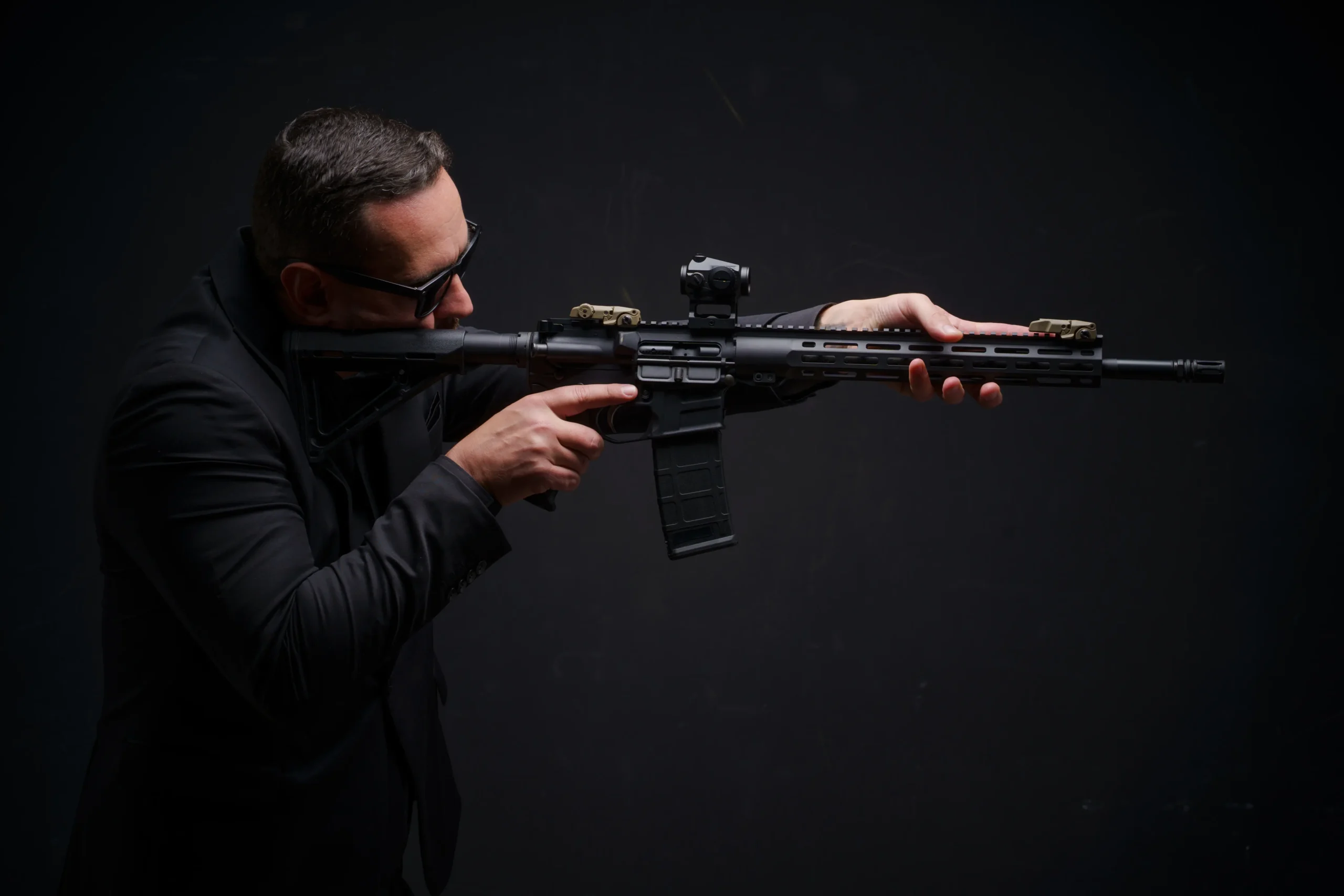
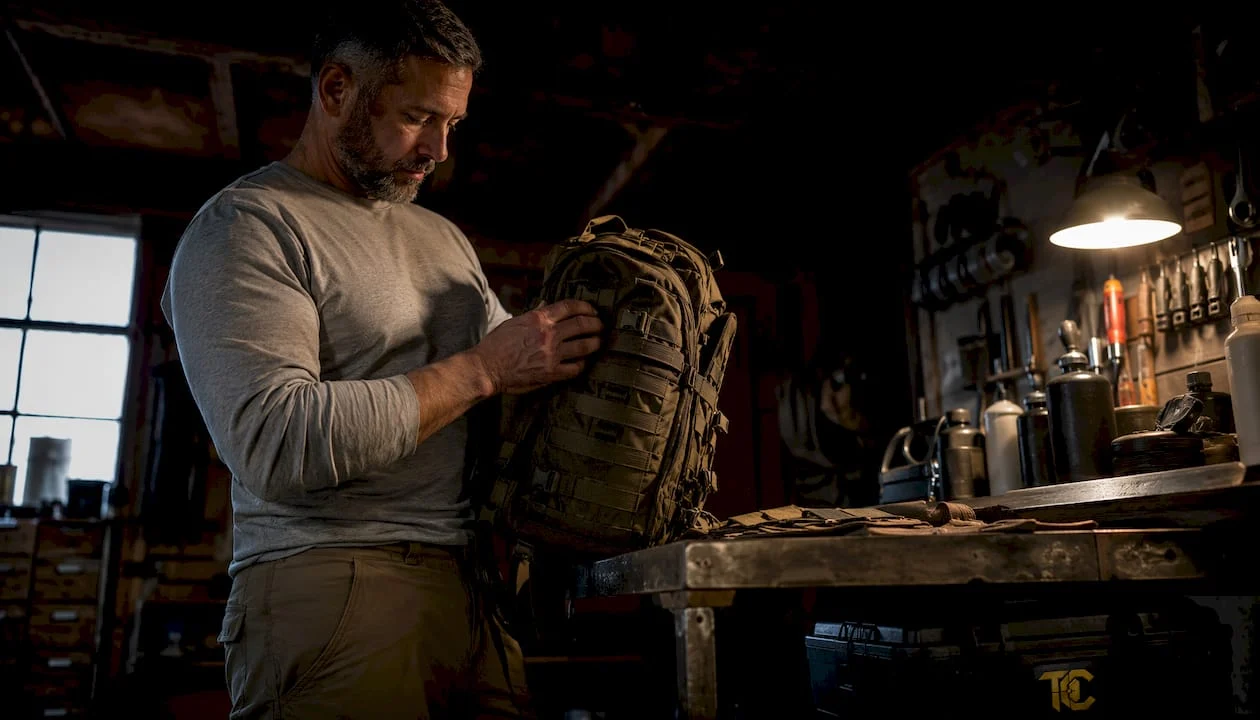
Consistent gear care separates equipment that lasts a decade from gear that fails at the worst possible moment. The core tactical gear maintenance tips every owner needs: inspect seams, hardware, and ballistic inserts regularly; clean soft and hard gear separately using mild, pH-neutral cleaners; replace worn zippers, buckles, and Velcro before they fail; store everything in a cool, dry, climate-controlled space to prevent damage; and run a readiness check before every use. Material matters too. Leather, nylon, and metal each respond differently to moisture, heat, and cleaning agents, so treating them the same way accelerates wear.
- Inspect seams, stitching, zippers, buckles, and ballistic inserts after every field use
- Clean soft gear and hard gear in separate cycles, never together
- Replace worn Velcro, cracked buckles, and fraying straps before they compromise function
- Store gear hanging in a climate-controlled space at 40–60% relative humidity and below 70°F
- Check readiness on a daily, weekly, and quarterly schedule to catch problems early
- Avoid bleach, hot water, machine washing, and tumble drying on any tactical fabric or coating
How do you inspect tactical gear for wear and damage?
Inspection is the first line of defense against gear failure. Run a thorough check after every training cycle or field use, not just when something looks wrong. Catching a frayed bartack or a cracked buckle early costs you five minutes. Missing it costs you the gear, or worse.
Work through these checkpoints systematically:
- Seams and stitching: Focus on high-stress points like shoulder strap anchors, drag handles, and MOLLE webbing. Frayed threads at bartack stitching mean repair before the next use.
- Zippers: Run each slider its full travel. Grit is the leading cause of zipper failure, so look for stiffness, skipping teeth, or corrosion on metal pulls.
- Buckles and hardware: Test every ITW Nexus or Duraflex buckle for cracks. UV exposure degrades acetal plastic after roughly 500 hours of sun exposure, so check older gear carefully.
- Ballistic inserts: Remove plates and soft armor panels. Look for cracks, delamination, or any sign of fluid penetration that could void protective ratings.
- Coatings and fabrics: White flaky residue on the interior of a bag signals polyurethane delamination. UV-faded or stiff nylon is a sign of sun damage that weakens fiber tensile strength over time.
Pro Tip: Conduct your inspection during the drying phase after cleaning. Gear is fully unloaded, and you have a natural reason to handle every component closely.
Ignoring early damage compounds fast. A small seam separation under load becomes a full blowout. A stiff zipper becomes a jammed one at the worst time.
What are the best methods for cleaning tactical gear?
The single most important rule in cleaning tactical gear is keeping soft gear and hard gear in completely separate cleaning cycles. Grease from a firearm ruins the breathability of a combat shirt. Grit from a muddy pack scratches optics coatings. Mixing the two causes permanent damage to both.
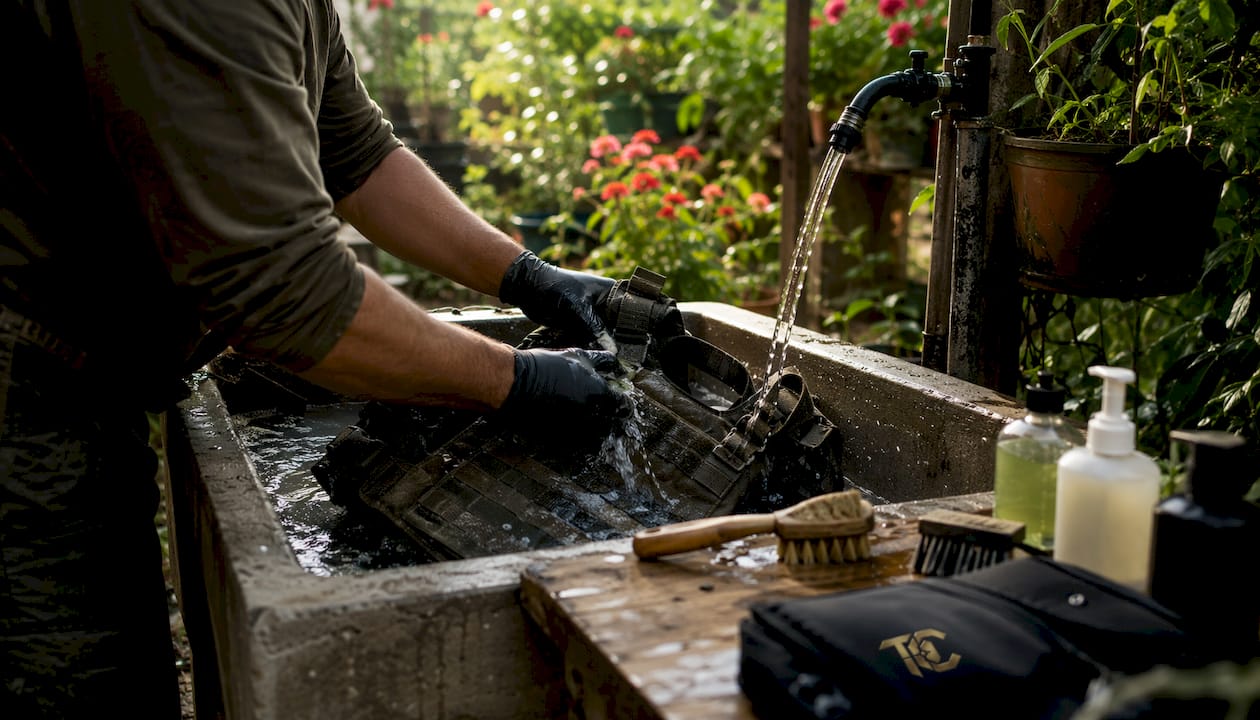
Cleaning soft gear: apparel, nylon packs, and plate carriers
Start by emptying every compartment and vacuuming out debris with a brush attachment. Sand and grit are the primary cause of zipper failure, so this step protects hardware before water ever touches the bag. Pre-treat stains next: enzyme cleaners for protein-based messes like blood and sweat, a dish degreaser like Dawn for oil or CLP residue. Pre-treatment lifts 70–80% of embedded soils before washing begins.
Hand-wash in lukewarm water below 86°F using a pH-neutral cleaner like Nikwax Tech Wash or Granger’s Performance Wash. Scrub MOLLE webbing along the grain with a medium-bristle brush. Cross-grain scrubbing frays stitching. Flush YKK zippers with soapy water, run the slider ten times, then rinse. Wipe buckles with a damp cloth only; submerging ITW Nexus hardware traps moisture in the spring mechanism.
- Avoid bleach: Chlorine degrades nylon tensile strength and oxidizes polyurethane coatings
- Avoid hot water: Heat above 86°F shrinks nylon fibers and delaminates TPU liners
- Avoid machine washing: Agitators shred MOLLE webbing and warp internal stiffeners
- Avoid tumble drying: Heat softens polyurethane coatings and warps plastic hardware
After washing, hang gear inverted in a shaded, well-ventilated area for 24–48 hours. Direct sunlight causes UV degradation and “sun-rot” in nylon and cotton blends.
Cleaning hard gear: firearms, optics, and holsters
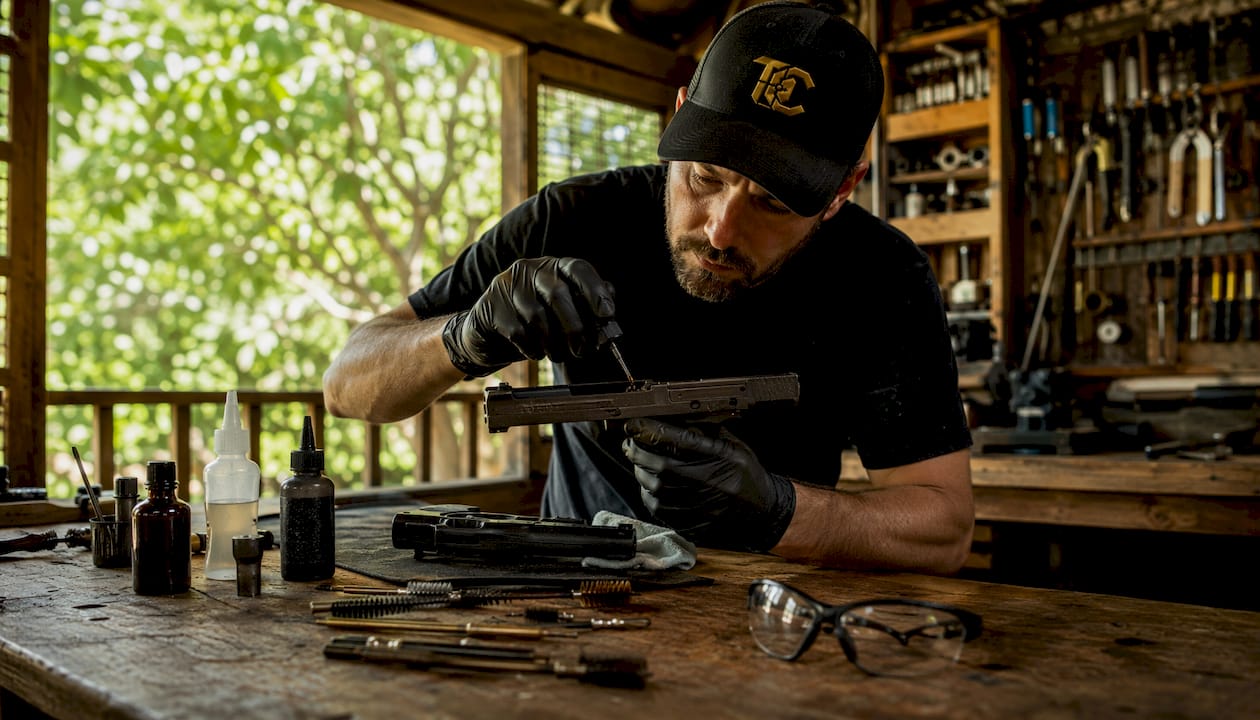
Clean firearms with purpose-built solvents and lubricants. Never use household glass cleaners on optics; ammonia strips anti-reflective coatings. Use a lens pen or microfiber cloth in circular motions from center outward. For holsters, wipe the interior with a damp cloth and check retention screws. A full step-by-step firearms cleaning guide covers the specifics in detail.
When should you replace worn or damaged gear components?
Repair when you can. Replace when function or safety is at risk. That line is clearer than most people think.
- Zippers: Replace when the slider skips teeth, the pull corrodes through, or the coil separates. Silicone-based zipper lubricant extends life; petroleum-based lubes attract grit and accelerate failure.
- Velcro: Hook-side Velcro damaged by heat from a dryer is permanently dead. The hook structures deform and cannot grip. Comb out debris with a fine-tooth comb and lift lint from the loop side with tape. If hooks are bent or melted, full replacement is the only fix.
- Buckles: Cracked acetal buckles fail under load. Replace any buckle that shows visible fractures, whitening under stress, or that no longer clicks securely.
- Seams and straps: Frayed bartack stitching at anchor points needs repair before the next use. A strap that has lost elasticity or shows separation at the webbing join should be replaced, not taped.
- Ballistic inserts: Any insert showing cracks, delamination, or fluid penetration must be replaced. There is no repair option for compromised armor.
For mechanical components like zippers and buckles, a small amount of silicone-based lubricant applied to moving parts after cleaning keeps them operating smoothly. Avoid WD-40 on zippers; it attracts grit and will eventually jam the mechanism.
How should you store tactical gear to prevent damage?
Storage is where most gear quietly deteriorates. The environment you choose matters as much as how you clean.
The target storage conditions are cool, dry, and dark with controlled humidity and temperature. Hydrolysis occurs when polyurethane coatings on tactical bags are exposed to inconsistent humidity and temperature, causing them to become sticky and fail. A garage or basement with temperature swings is one of the worst places to store quality gear.
- Hang heavy gear: Body armor, plate carriers, and tactical vests should hang on heavy-duty polymer hangers rated to support at least 150 pounds. Standard plastic hangers bend and drop gear. Hanging also allows airflow around straps and padding, which prevents odor and moisture buildup.
- Never compress inserts: Storing heavy items on top of soft armor creates permanent crush points that degrade protective coverage.
- Control moisture: Use silica gel packs or a dehumidifier in storage areas prone to dampness. For long-term protection, cotton storage sacks outperform synthetic bags by allowing the gear to breathe while blocking dust.
- Remove batteries: Any optic, flashlight, or communications device stored for more than a month needs its batteries pulled. Leaking alkaline batteries destroy more high-end gear than field use ever does.
- Keep gear away from chemicals: Automotive fluids, oils, and exhaust fumes chemically degrade synthetic textiles and plastics.
Never store gear while even slightly damp. Mold and mildew can rot nylon fibers in a matter of weeks.
How do you keep tactical gear mission-ready at all times?
Readiness is a habit, not a one-time event. Build a maintenance schedule and stick to it the same way you would with any precision tool.
Daily: After any use, shake out debris, spot-wipe contact surfaces, and check that all fasteners close correctly. Salt from sweat begins corroding metal zippers and snaps immediately, so a quick wipe-down after every wear prevents buildup from setting in.
Weekly: Brush zippers dry, check buckle function, and inspect any area that took heavy wear. Wipe down coatings on hard gear.
Quarterly: Full wash per the hand-washing protocol above. Inspect all stitching, re-wax buckles if needed, and reapply a DWR (durable water repellent) coating to nylon bags and carriers.
Annually: Full hardware audit. Replace any component showing fatigue. Check ballistic inserts. Refresh all lubricants on mechanical parts.
Organizational habits matter too. Group your kit by type so you can inventory and grab it fast. Keep tactical accessories sorted and stored with the gear they pair with. A well-organized kit is faster to inspect and faster to deploy.
What does research say about corrosion risks and cleaning segregation?
Two findings from field and materials research consistently shape best practices for gear upkeep in 2026.
Sweat salt is more destructive than most users realize. Salt from human sweat is one of the most corrosive agents for tactical gear, attacking metal zippers, snaps, and high-strength synthetic fibers when gear is stored damp or uncleaned. The damage is not gradual; it accelerates once moisture is trapped. Spot-cleaning within 48 hours of field use is the standard that prevents this.
Cleaning segregation protects both gear categories. Mixing soft and hard gear in the same cleaning cycle causes cross-contamination: firearm grease ruins the breathability of combat apparel, and grit from a muddy pack scratches optical coatings. Keeping these cycles completely separate is a practice that casual users often skip, and it shows in premature gear wear.
Cordura and 1000D nylon lose up to 40% of their DWR performance after roughly 20 field uses without cleaning, according to testing published by INVISTA’s Cordura brand.
Velcro maintenance is another area where small habits produce outsized results. Heat from a tumble dryer permanently destroys hook structures, making replacement unavoidable. Combing out debris with a fine-tooth comb and using tape on the loop side after every few uses keeps fasteners functional far longer. Polyurethane coating hydrolysis is the third major risk: storing gear in spaces with humidity above 60% or temperatures above 70°F triggers chemical breakdown that no cleaning can reverse.
Key Takeaways
Consistent tactical gear maintenance requires separating soft and hard gear cleaning cycles, storing in climate-controlled conditions with controlled humidity and temperature, and inspecting hardware, seams, and ballistic inserts after every use.
| Point | Details |
|---|---|
| Separate cleaning cycles | Never clean soft gear and hard gear together; cross-contamination damages coatings and breathability. |
| Pre-treat before washing | Applying enzyme or degreaser cleaners before washing lifts 70–80% of embedded soils. |
| Hang heavy gear properly | Use polymer hangers rated to 150 pounds to maintain shape and allow moisture to evaporate. |
| Control storage humidity | Keep storage at 40–60% relative humidity and below 70°F to prevent polyurethane hydrolysis. |
| Dry 24–48 hours after cleaning | Hang gear inverted in a shaded, ventilated area to protect coatings and prevent hardware deformation. |
Tungstencreektactical carries a full selection of tactical accessories, firearms, and gear built for owners who take maintenance and performance seriously. Whether you’re building out a kit or keeping an existing one field-ready, explore our tactical accessories guide or browse custom firearm builds matched to your setup.

Recommended
Related Post

Discover the 5 ways
An introduction to Tactical Luxury Guns & Coffee We founded
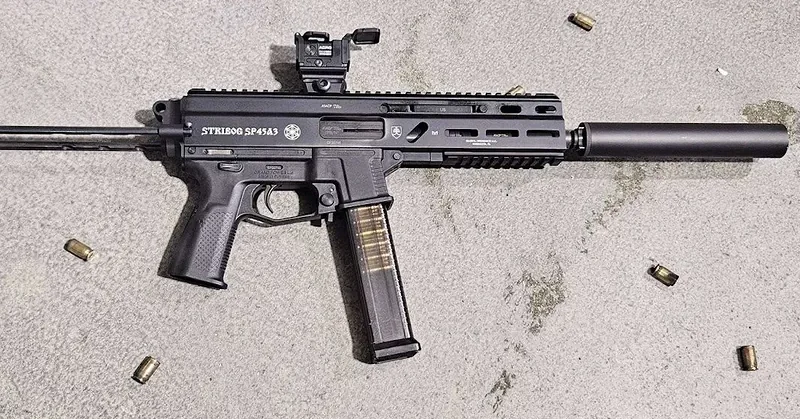
Top 5 Best PCC’s
In 2026, the Pistol Caliber Carbine (PCC) market is no