
Why Tactical Preparedness Matters for Self-Reliance
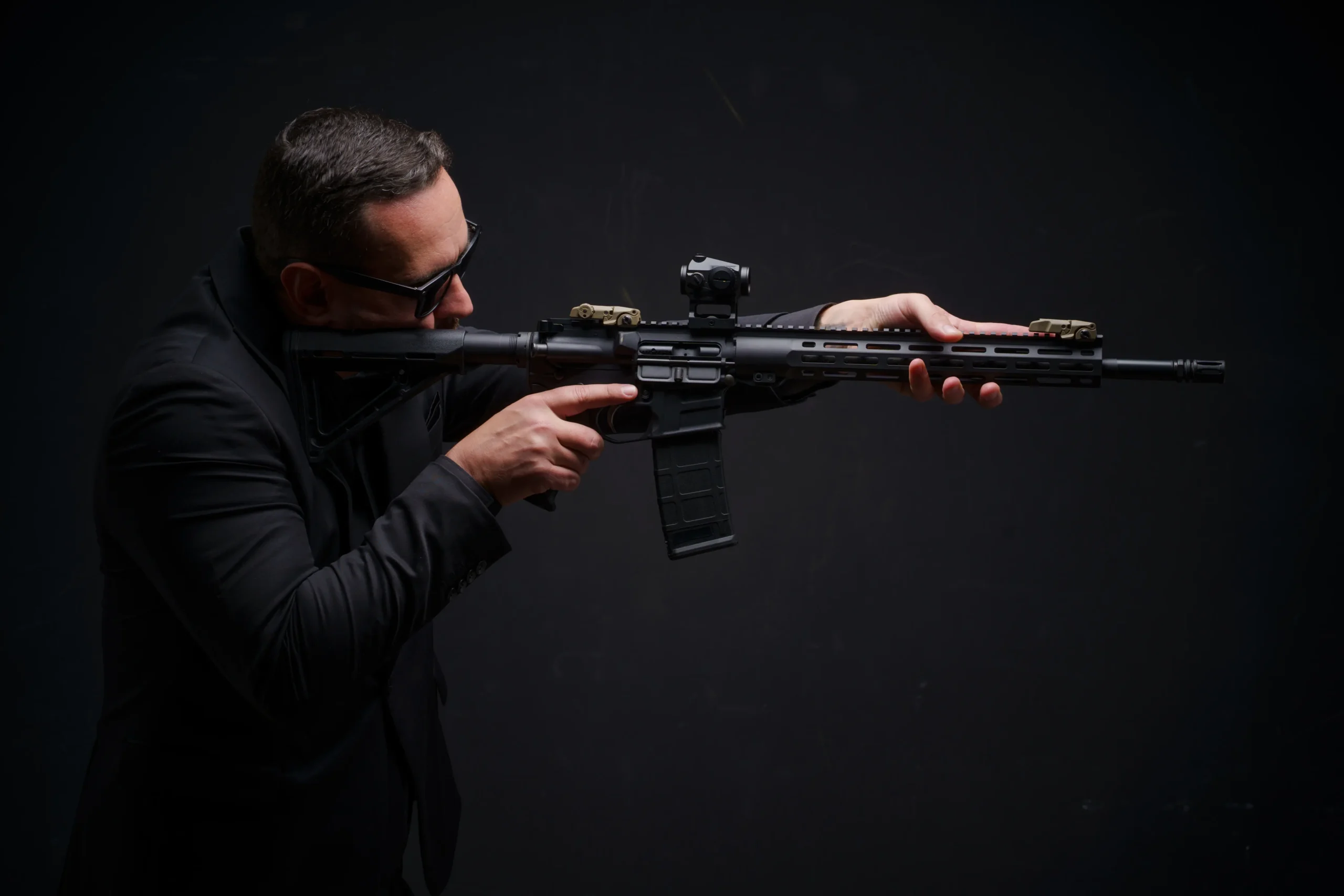

Tactical preparedness is defined as the proactive integration of planning, training, equipment, and coordination to respond quickly and effectively to emergencies. It goes beyond stockpiling gear or staying physically fit. True readiness combines life-saving skills, mental resilience, and clear organizational frameworks that let you act decisively when pressure is highest. Whether you are a responsible firearm owner, a parent thinking about home security, or someone who simply values self-reliance, understanding why tactical preparedness matters is the foundation of every sound safety plan.
Why tactical preparedness is more than just owning gear
Tactical preparedness is the difference between having resources and knowing how to use them. A firearm in a drawer, a first aid kit in the closet, or a bug-out bag in the garage are all potential assets. Without training, roles, and a plan, they are just objects. Effective tactical preparedness integrates four core pillars: equipment, training, environment, and people. Over-focusing on gear without organizational frameworks leads to fragmented capabilities when it counts most.
Each pillar carries equal weight. Equipment covers your firearms, medical supplies, communications, and protective gear. Training is the repetition that turns knowledge into reflex. Environment means understanding the terrain, layout, and conditions you may face. People refers to the human element: who does what, who leads, and who supports. Neglect any one of these and the whole system weakens. Think of it like a well-brewed cup of coffee. Every variable matters. Change one and the result shifts.
Tactical planning improves emergency response by reducing decision-making friction through clear roles and simple organizational frameworks. Organized coordination under stress relies on clarity more than rigid command structures. That means your plan does not need to be complex. It needs to be clear, practiced, and shared with everyone involved.
- Equipment: Select gear that fits your specific threat environment, not the most expensive option on the shelf. Learn how to select tactical accessories that serve a real function.
- Training: Dry fire, live fire, and scenario-based drills all build different skills. Combine them.
- Environment: Walk your home, property, or workplace with fresh eyes. Identify choke points, exits, and cover positions.
- People: Assign roles before a crisis. Confusion during an event costs time you may not have.
Pro Tip: Write your plan on a single page. If it takes more than one page to explain, it is too complicated to execute under stress.
How does tactical preparedness sharpen decision-making under stress?
Mental readiness is the most undervalued component of tactical preparedness. Physical fitness creates potential. Tactical readiness is performance under pressure, which requires real-time integration of physical, mental, emotional, and recovery states. You can bench press 300 pounds and still freeze when a real threat appears.
Cognitive training combined with tactical breathing improves decision-making under stress and helps regulate physiological responses. Training your brain and nervous system under stress prevents sloppy reactions in real crises. Stress inoculation, which means deliberately practicing under elevated pressure, builds the neural pathways that keep your judgment sharp when adrenaline spikes.
“Fitness is potential; readiness is performance under pressure.” This distinction separates people who train from people who are prepared.
Tactical breathing, sometimes called box breathing, is a four-count inhale, four-count hold, four-count exhale, and four-count hold. Special operations units, law enforcement, and firefighters use it to lower heart rate and restore cognitive clarity mid-crisis. You can practice it anywhere, anytime, at no cost. Pair it with scenario-based mental rehearsal and you build a response library your brain can access automatically.
Readiness depends largely on human judgment and relational capabilities, not just equipment volume or activity levels. That means the conversations you have with your household, the roles you assign, and the decisions you rehearse matter as much as any piece of gear you own.

Pro Tip: Run a five-minute mental rehearsal each morning. Pick one scenario, walk through your response in your head, and identify one gap. Fix that gap before the next rehearsal.
Why regular plan reviews keep your preparedness from going stale
A tactical plan written two years ago may already be obsolete. Tactical emergency plans should undergo an annual comprehensive review to stay current with evolving threats and technologies. The annual update cycle is the industry standard to prevent plan obsolescence. Skipping it is not a minor oversight. It is a structural failure.
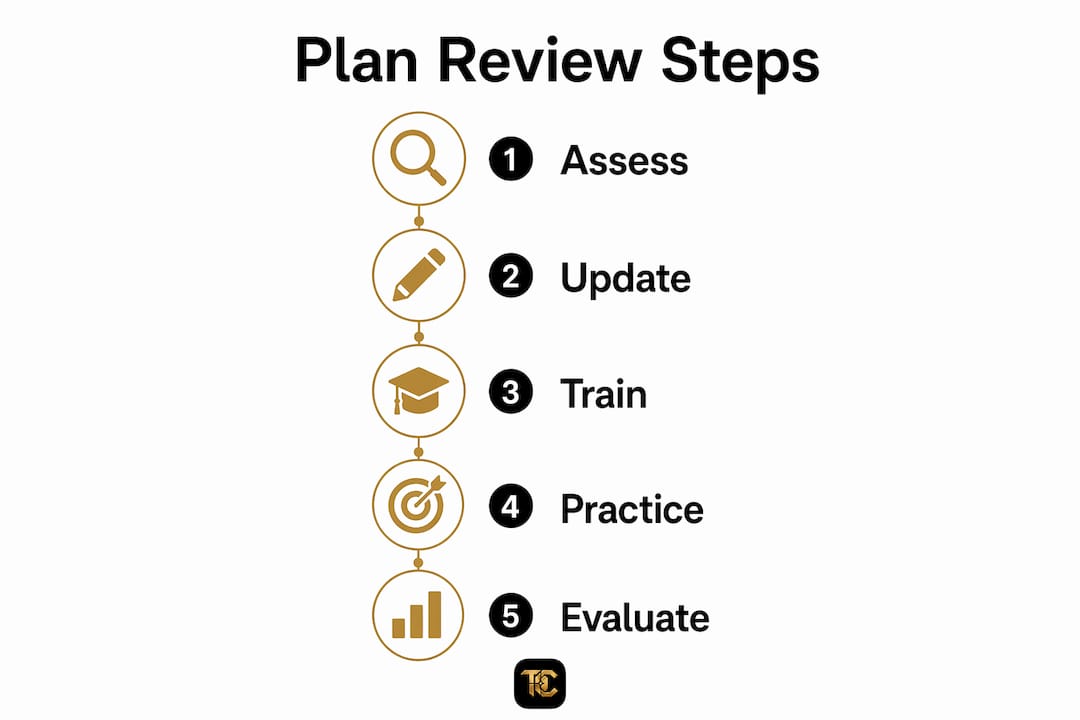
Threats change. Technology changes. Your household or team changes. A plan that does not account for new members, new vulnerabilities, or new tools is a plan built on outdated assumptions. Outdated emergency plans risk failure due to new threats like cyberattacks and pandemics unless regularly updated. Emerging risks require dynamic tactical preparedness, not static documents.
A practical annual review follows this sequence:
- Audit your equipment. Check expiration dates on medical supplies, inspect firearms for wear, and verify that all gear is functional. Review firearm maintenance practices to keep your tools reliable.
- Review your roles. Has anyone moved, changed jobs, or developed new skills? Update assignments accordingly.
- Run a tabletop exercise. Walk through your primary scenario verbally with everyone involved. Identify gaps before they appear in a real event.
- Update your threat assessment. What new risks exist in your area? Natural disasters, civil unrest, and infrastructure vulnerabilities all shift over time.
- Document changes and redistribute. Every person in your plan needs the current version. An outdated copy in someone’s hands is worse than no copy at all.
Treat the annual review like a scheduled maintenance interval on a precision firearm. Skip it and performance degrades quietly until the moment it fails loudly.
What are the biggest misconceptions about tactical readiness?
The most common mistake in tactical preparedness is confusing gear accumulation with actual readiness. Buying the latest rifle, the best plate carrier, or a full medical kit does not make you prepared. It makes you equipped. Preparedness requires the skill and judgment to use what you have under conditions that are nothing like the store where you bought it.
A second major misconception is that physical fitness equals tactical readiness. Fitness metrics do not fully encompass operational readiness, which requires performance integration under real-time operational demands. A person who runs marathons but has never practiced a stress-inoculated scenario is not tactically ready. Fitness is one input. Readiness is the output of many inputs working together.
Year-round periodization training with deload phases improves sustained mission readiness and prevents burnout. Reducing training volume by roughly 50% every 5–8 weeks maintains intensity while allowing recovery. Overtraining without scheduled deloads leads to exhaustion and injury. Tactical athletes must train smart to sustain long-term performance, not just train hard.
A third overlooked area is operational security, often called tradecraft. Many people overestimate their anonymity online. IP addresses and device IDs can identify users despite masked emails or fake handles. Posting your gear loadout, your home layout, or your patrol schedule on social media is a direct security risk. Tradecraft includes guarding information carefully, limiting what you share online or with groups, and understanding the risks of your digital footprint exposure.
| Common Misconception | The Reality |
|---|---|
| More gear equals more preparedness | Gear without training and a plan creates false confidence |
| Physical fitness equals tactical readiness | Readiness requires cognitive, emotional, and recovery integration |
| Online anonymity protects operational security | IP addresses and device IDs can deanonymize users |
| Complex plans are more effective | Simple, practiced plans outperform detailed ones under stress |
| Preparedness is a one-time effort | It requires annual reviews, ongoing training, and updated threat assessments |
Avoid the common security pitfalls that undermine even well-equipped individuals. The gap between feeling prepared and being prepared is almost always found in the overlooked details.
Key takeaways
Tactical preparedness works when planning, training, equipment, and people function together as a single system, reviewed annually and practiced under realistic stress.
| Point | Details |
|---|---|
| Four pillars must work together | Equipment, training, environment, and people each require equal attention. |
| Mental readiness is non-negotiable | Cognitive training and stress inoculation build the judgment gear cannot provide. |
| Annual reviews prevent plan failure | Outdated plans fail against new threats; review and update every 12 months. |
| Gear without skills is a liability | Training and organizational clarity matter more than hardware volume. |
| Operational security is part of preparedness | Limit your digital footprint and guard sensitive information about your plans and gear. |
What I have learned about real preparedness after years in the field
The biggest gap I see consistently is not in gear or even fitness. It is in the space between knowing what to do and having practiced it enough to do it automatically. Most people build a plan once, feel good about it, and never revisit it. That plan becomes a comfort object, not a functional tool.
Physical training without cognitive load management is incomplete. I have watched fit, capable people freeze under simulated stress because they had never trained their nervous system to stay calm while making decisions. Pairing marksmanship skill development with breathing and decision drills closes that gap faster than any additional equipment purchase.
Simplicity is the most underrated principle in tactical planning. The plans that work under pressure are the ones everyone can remember without looking at a document. If your household plan requires a reference sheet to execute, it will fail at the worst possible moment. Strip it down. Assign three roles maximum. Practice the most likely scenario, not the most dramatic one.
Preparedness is a discipline, not a destination. Treat it the way you treat maintaining a quality firearm. Consistent attention, scheduled reviews, and honest assessment of what is working and what is not. The goal is not perfection. The goal is a measurable improvement in your ability to protect yourself and the people who depend on you.
— Brian
Tungstencreektactical: gear and knowledge for serious preparedness
Tungstencreektactical is built for people who take preparedness seriously without taking shortcuts. Whether you are selecting your first defensive firearm or refining a loadout you have carried for years, the right equipment paired with the right knowledge makes a measurable difference.

Tungstencreektactical offers precision-built custom firearms tailored to individual tactical needs, alongside a curated selection of tactical accessories, ammunition, and training resources. The brand’s mobile app lets you scan products, compare pricing, and access VIP benefits before you buy. For readers building or updating their preparedness setup, the firearms comparison guide is a practical starting point for making an informed, confident decision.
FAQ
What is tactical preparedness?
Tactical preparedness is the proactive integration of planning, training, equipment, and coordination to respond effectively to emergencies. It combines physical readiness, mental resilience, and organizational clarity to enable decisive action under pressure.
How is tactical readiness different from physical fitness?
Tactical readiness requires real-time integration of physical, mental, emotional, and recovery states, while fitness measures only physical capacity. A person can be physically fit but still lack the cognitive and emotional skills needed to perform under operational stress.
How often should a tactical plan be updated?
Tactical emergency plans should undergo a comprehensive review annually. New threats, personnel changes, and evolving technologies can make even a one-year-old plan dangerously outdated.
What is the biggest mistake people make in tactical preparedness?
The most common mistake is prioritizing gear acquisition over training and organizational planning. Equipment without practiced skills and clear roles creates false confidence rather than genuine readiness.
Why does operational security matter for personal preparedness?
Sharing gear loadouts, home layouts, or patrol patterns online creates real security vulnerabilities. IP addresses and device IDs can identify individuals even when they use pseudonyms, making digital discipline a core part of any sound preparedness strategy.
Recommended
Related Post

Discover the 5 ways
An introduction to Tactical Luxury Guns & Coffee We founded
Top 5 Best PCC’s
In 2026, the Pistol Caliber Carbine (PCC) market is no