
What Is Concealed Carry? Laws, Safety, and Insurance
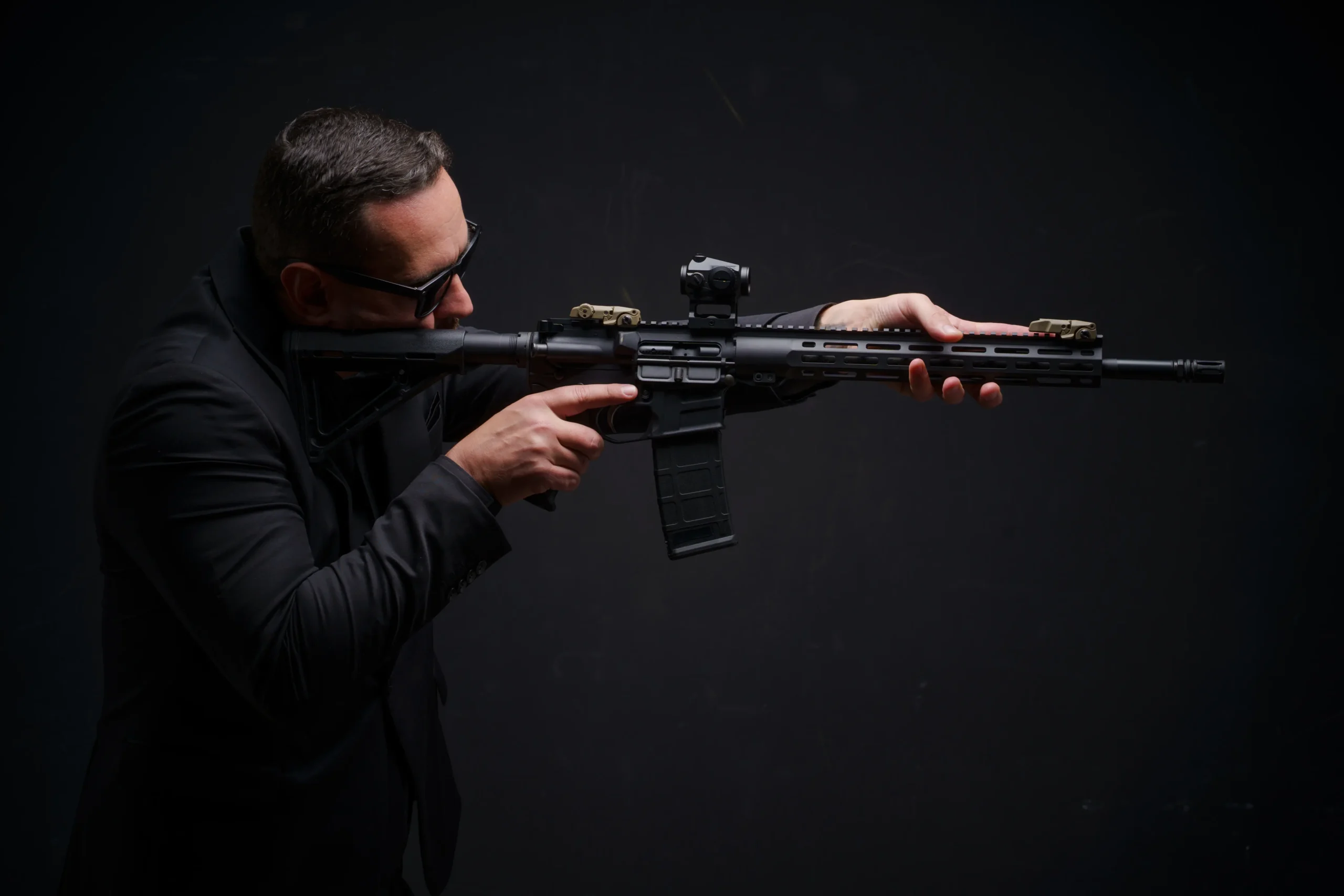

Concealed carry is defined as carrying a firearm on your person in a manner not readily visible to others, typically for personal defense. Most states regulate this practice through a permit system, though the legal landscape shifted significantly after the Supreme Court’s 2022 ruling in NYSRPA v. Bruen. Understanding what is concealed carry means understanding both the legal definition and the practical responsibilities that come with it. The USCCA, LegalClarity, and Concealed Carry Inc. are among the most cited authorities on this topic, and their guidance consistently points to one truth: carrying a firearm is a serious commitment, not a casual decision.
What is concealed carry and how does the law define it?
Concealed carry, formally called “carrying a concealed weapon” or CCW, means keeping a firearm hidden from ordinary observation while it remains accessible for use. Courts do not apply a simple bright-line rule here. Legal definitions of concealed rely on the totality of circumstances, meaning a firearm that is partially visible may still qualify as legally concealed depending on context and jurisdiction.
One detail that surprises many new carriers: a gun locked in your trunk is not considered a “carried” firearm under most state laws. The firearm must be on your person or within your immediate reach to fall under concealed carry statutes. This distinction matters for how you transport a firearm in a vehicle versus how you carry it on your body.
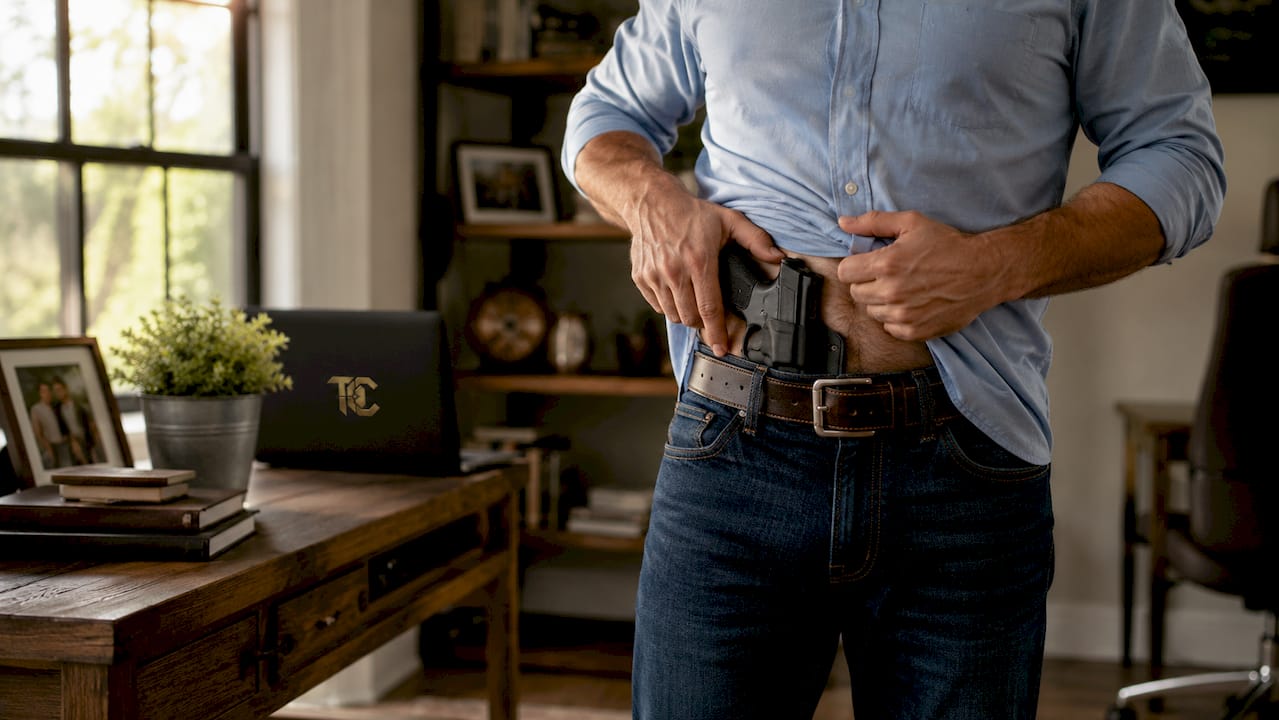
The concealed carry definition also varies by what the firearm is. Most states cover handguns explicitly. Some extend the definition to knives, tasers, or other weapons. Knowing exactly what your state’s statute covers protects you from unintentional violations.
What do concealed carry laws generally require?
Concealed carry laws operate on a spectrum from highly permissive to strictly regulated. The clearest way to understand the system is to separate states into two categories.
Permit-required states vs. permitless carry states
| Category | Description | Examples |
|---|---|---|
| Shall-issue states | Must issue a permit if applicant meets objective criteria | Texas, Florida, Pennsylvania |
| May-issue states | Authorities have discretion to deny permits | Hawaii, Maryland, California |
| Permitless carry states | No permit required to carry concealed | Arizona, Alaska, Wyoming |
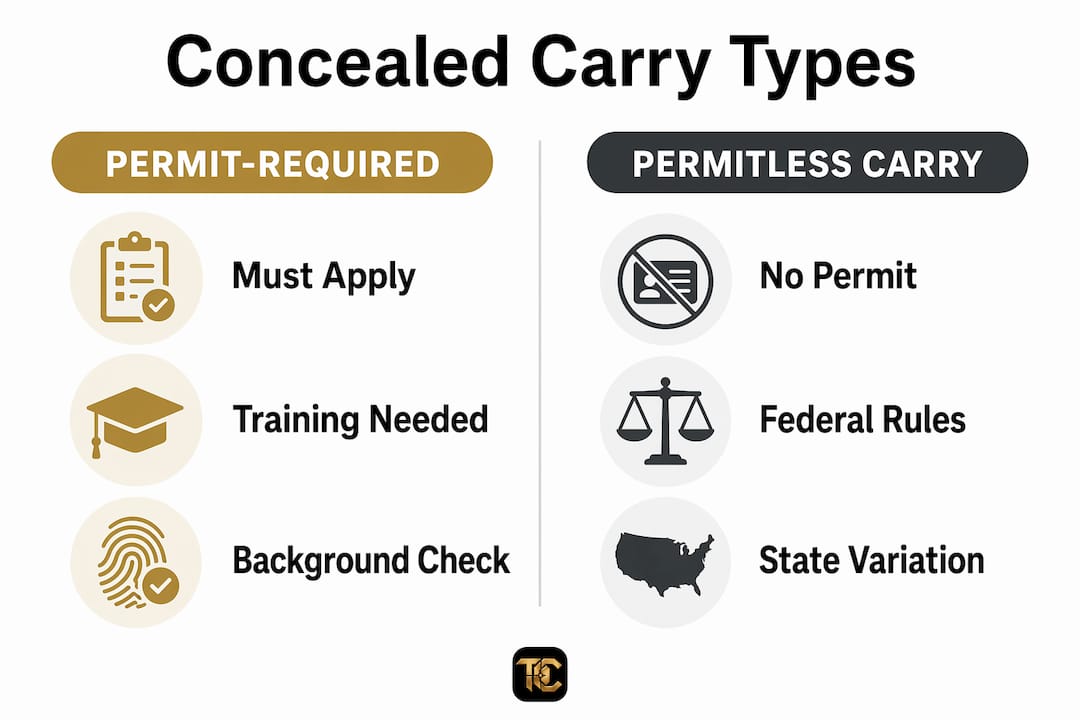
29 states currently allow some form of permitless concealed carry as of 2026. That number grew substantially following NYSRPA v. Bruen, which struck down New York’s restrictive licensing standard. Even in permitless carry states, federal restrictions still apply.
Federal restrictions that apply everywhere
Federal law prohibits concealed carry for anyone who:
- Has been convicted of a felony or domestic violence misdemeanor
- Is subject to a qualifying restraining order
- Has been adjudicated as mentally defective or committed to a psychiatric institution
- Is an unlawful user of controlled substances
- Is not a U.S. citizen or lawful permanent resident in most circumstances
These restrictions apply regardless of state law. A permitless carry state does not override federal eligibility requirements.
Reciprocity and interstate travel
Carrying a permit from your home state does not automatically give you carry rights in another state. Reciprocity agreements between states determine where your permit is honored. If you travel frequently, obtaining a permit even in a permitless carry state gives you more options across state lines. Check the legal firearm ownership rules for each state you plan to visit before you travel.
How does concealed carry work safely and responsibly?
Safe concealed carry is not about the gun. It is about the habits you build around it. Situational awareness and de-escalation are the primary goals emphasized by CCW instructors, not marksmanship alone. The firearm is a last resort, not a first response.
The case for consistent daily carry
Consistent carry reduces risk related to handling transitions. Every time you pick up or put down a firearm, you introduce a moment of elevated risk. Carriers who handle their gun daily build proficiency and reduce the chance of a negligent discharge during those transitions. Think of it like maintaining a well-tuned piece of equipment: consistency keeps everything functioning as it should.
Sporadic carry also creates a false sense of security. Violence is unpredictable, and situational safety is often an illusion. If you carry only when you feel unsafe, you will likely leave the gun at home on the day you actually need it.
Core safety practices for concealed carriers
- Choose a quality holster. A holster must cover the trigger guard completely and retain the firearm securely. Kydex and leather are the two most common materials, each with trade-offs in retention and comfort.
- Practice drawing from concealment. Dry-fire practice at home builds muscle memory without live ammunition. Proficiency in drawing from concealment reduces response time and lowers the risk of fumbling under stress.
- Know your backdrop. Before you ever consider drawing, identify what is behind your target. This is non-negotiable.
- Seek formal training. A one-time permit class is not sufficient. Ongoing training from certified instructors keeps your skills sharp and your legal knowledge current.
Pro Tip: Dry-fire practice three to five minutes per day builds more real-world drawing proficiency than one range session per month. Use a snap cap to protect your firing pin and practice from your actual carry holster.
Concealed carry provides a tactical advantage over open carry by maintaining the element of surprise. Security professionals note that open carry can make you the first target in an active threat situation. Concealment keeps your options open. For a deeper look at responsible firearm practices, the fundamentals apply whether you carry daily or occasionally.
What is concealed carry insurance and how does it work?
Concealed carry insurance is financial and legal protection for carriers who use a firearm in a self-defense incident. Even a justified shooting can result in criminal charges, civil lawsuits, or both. Legal fees alone can reach six figures before a case is resolved.
What typical coverage includes
- Criminal defense attorney fees covering your representation if you face charges after a self-defense incident
- Bail bond coverage to secure your release while your case is pending
- Civil defense costs if the attacker or their family sues you in civil court
- Expert witness fees for ballistics, forensics, or use-of-force testimony
- Lost wages during trial proceedings, covered by some plans
Concealed carry insurance typically covers criminal defense fees, bail bonds, civil defense, expert witness fees, and sometimes lost earnings. The USCCA is one of the most recognized providers in this space, offering tiered membership plans with varying coverage limits.
Insurance vs. legal service memberships
This distinction matters more than most carriers realize. Most products marketed as concealed carry insurance are legal service memberships rather than traditional insurance policies. A true insurance policy is regulated by your state’s department of insurance. A prepaid legal membership is a contract with a private organization and carries different legal protections and obligations.
The practical difference shows up in how and when you get paid. Some plans reimburse you after the fact. Others pay your attorney directly upfront. Some let you choose your own counsel. Others assign you an attorney from their network. Understanding this distinction is critical before you sign up for any plan.
Pro Tip: Read the exclusions section of any concealed carry coverage plan before the coverage summary. Exclusions tell you more about what a plan actually covers than the marketing language does.
Geographic limitations also apply. Some plans cover incidents only in your home state. Others extend coverage nationwide. If you travel across state lines with a firearm, verify that your plan follows you.
How and when should you carry concealed every day?
The best answer to when you should carry is simple: whenever you are legally permitted to do so and have completed proper training. About 1.6 million defensive gun uses occur annually in the U.S., while police response times average 7–11 minutes in urban areas. That gap between when a threat starts and when help arrives is the practical argument for daily carry.
Everyday carry requires more than just putting a gun on your belt. These are the practical considerations that experienced carriers manage:
- Carry your permit and ID at all times. In permit-required states, you must produce your permit on demand when stopped by law enforcement.
- Know the prohibited locations in your state. Schools, government buildings, courthouses, and some private businesses are off-limits regardless of your permit status.
- Manage the vehicle-to-body transition. Many carriers leave their firearm in the car when they should not. A vehicle holster or lockbox creates a consistent process for this transition.
- Dress around your carry setup. Your clothing choice affects concealment. A quality inside-the-waistband holster paired with a slightly longer shirt eliminates most printing concerns.
- Carry with the right mindset. The primary goal of carrying a firearm is to avoid conflict, not to win a gunfight. Awareness and avoidance are your first and best tools.
For guidance on selecting the right handgun for self-defense, matching caliber, ergonomics, and capacity to your carry needs makes a real difference in how consistently you will carry. A gun that is too heavy or too large gets left at home. The best carry gun is the one you will actually have on you.
Review firearm safety tips regularly, especially as you change holsters, firearms, or carry positions. Small changes in your setup require updated muscle memory.
Key Takeaways
Concealed carry is a legal, practical, and ethical commitment that requires consistent training, legal awareness, and the right protective coverage to do responsibly.
| Point | Details |
|---|---|
| Legal definition matters | Courts use totality of circumstances, not just visibility, to determine if a firearm is concealed. |
| 29 states allow permitless carry | Even in those states, federal eligibility restrictions still apply to every carrier. |
| Consistent carry is safer | Daily carry builds proficiency and reduces handling risks compared to sporadic carry. |
| Insurance vs. membership | Most CCW coverage plans are prepaid legal memberships, not regulated insurance policies. |
| Mindset drives safety | The primary goal of concealed carry is conflict avoidance, not confrontation. |
Carrying is a responsibility, not a reaction
Concealed carry changed how I think about personal safety, but not in the way most people expect. The gun itself became almost secondary. What changed was how I move through the world: more aware, more deliberate, and far less likely to put myself in situations where the firearm would ever matter.
The carriers I respect most are not the ones with the most gear. They are the ones who train consistently, know their state laws cold, and carry with a calm that comes from preparation rather than anxiety. There is a real difference between carrying out of fear and carrying out of readiness. Fear makes you reactive. Readiness makes you measured.
The ethical weight of carrying a firearm is something no article can fully convey. You are making a decision that, in a worst-case scenario, could end a life. That responsibility demands ongoing education, not a one-time permit class. It demands honest self-assessment about your training level, your temperament, and your legal knowledge.
Public perception of concealed carriers is often shaped by the loudest voices on both sides of the debate. The reality is that most carriers are quiet, responsible adults who hope they never need to draw. That quiet responsibility is the standard worth holding yourself to.
— Brian
Precision firearms for responsible concealed carriers
Choosing the right firearm for concealed carry is as personal as selecting a well-crafted tool for any demanding job. The fit, caliber, and ergonomics need to match your carry style and your commitment to training.

Tungstencreektactical works with responsible firearm owners who take that selection seriously. Whether you are looking for a factory carry pistol or a custom-built firearm built to your exact specifications, the team at Tungstencreektactical brings the same attention to detail that goes into every product in the store. Use the firearms comparison guide to narrow your options before you buy. The right carry gun is the one you will train with, carry consistently, and trust completely.
FAQ
What is the concealed carry definition under the law?
Concealed carry is defined as carrying a firearm on your person in a way that is not readily visible to others. Courts evaluate visibility and accessibility together rather than applying a single bright-line rule.
Do I need a permit to carry concealed?
It depends on your state. As of 2026, 29 states allow some form of permitless concealed carry, but federal eligibility requirements apply in every state regardless of local permit laws.
What does concealed carry insurance actually cover?
Most plans cover criminal defense attorney fees, bail bonds, civil defense costs, and expert witness fees. Some also cover lost wages during trial. Always read the exclusions before enrolling.
Is concealed carry insurance the same as regular insurance?
No. Most products marketed as concealed carry insurance are prepaid legal service memberships, not regulated insurance policies. The difference affects your legal protections and how coverage is paid out.
Why carry a concealed weapon instead of open carrying?
Concealed carry maintains the element of surprise and avoids making you a primary target in a threat situation. Security professionals consistently note that concealment gives carriers more tactical options than open carry.
Recommended
Related Post

Discover the 5 ways
An introduction to Tactical Luxury Guns & Coffee We founded
Top 5 Best PCC’s
In 2026, the Pistol Caliber Carbine (PCC) market is no