
Why Choose Micro-Compact Pistols for Concealed Carry
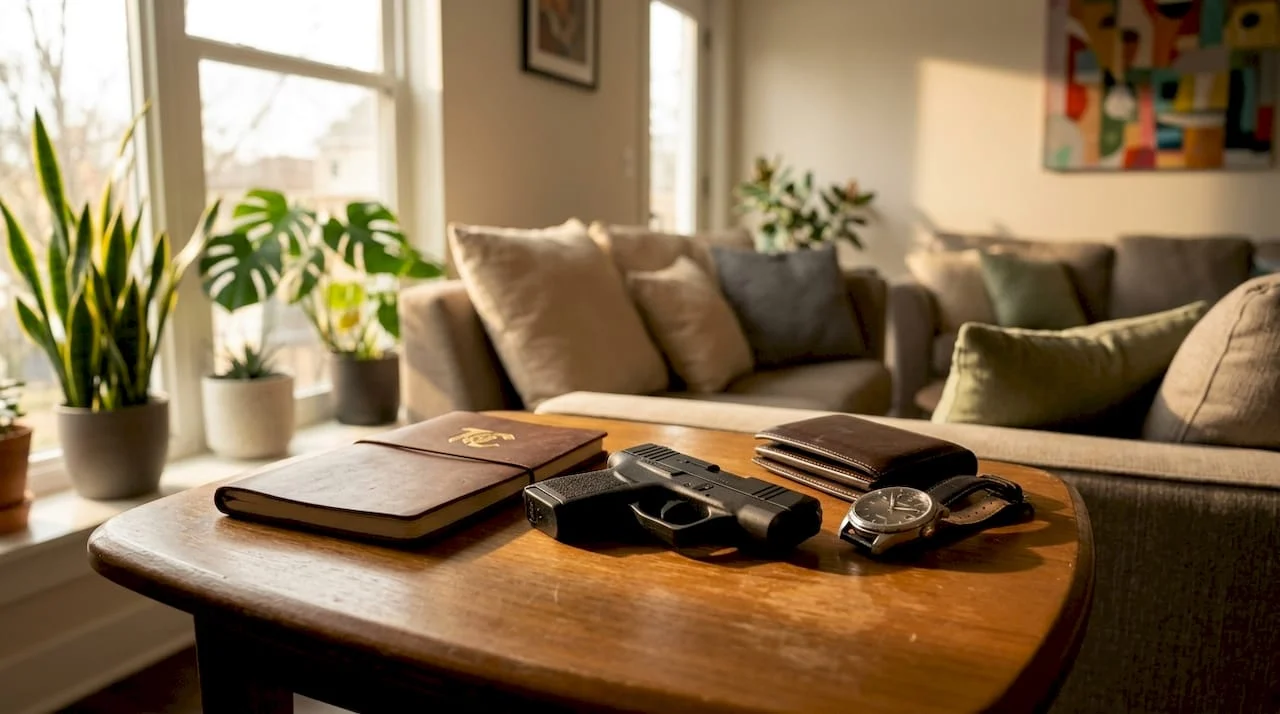
Micro-compact pistols are defined by barrel lengths under 3 inches and overall heights under 4 inches, making them the most concealable centerfire handguns available for personal defense. If you carry daily, the reasons to choose micro-compact pistols come down to one core reality: no other platform disappears under a t-shirt while still delivering 10 to 12 rounds of 9mm. Models like the Sig Sauer P365 and Springfield Hellcat have reset expectations for what a pocket-sized pistol can do, combining double-digit capacity with a frame light enough to forget you’re wearing it. This guide breaks down the real advantages, the honest tradeoffs, and the modern design improvements that make these pistols the dominant choice for concealed carry in 2026.
Why choose micro-compact pistols for everyday concealed carry
The core advantage of a micro-compact is straightforward: you can carry it anywhere, all day, without adjusting your wardrobe or your routine. Micro-compact pistols weigh under 20 ounces, often well under a pound unloaded, which means hours of carry feel closer to wearing a wallet than a firearm. That weight reduction directly translates to compliance. Carriers who find a full-size or compact pistol uncomfortable by noon tend to leave it in the car. A micro-compact stays on your body.
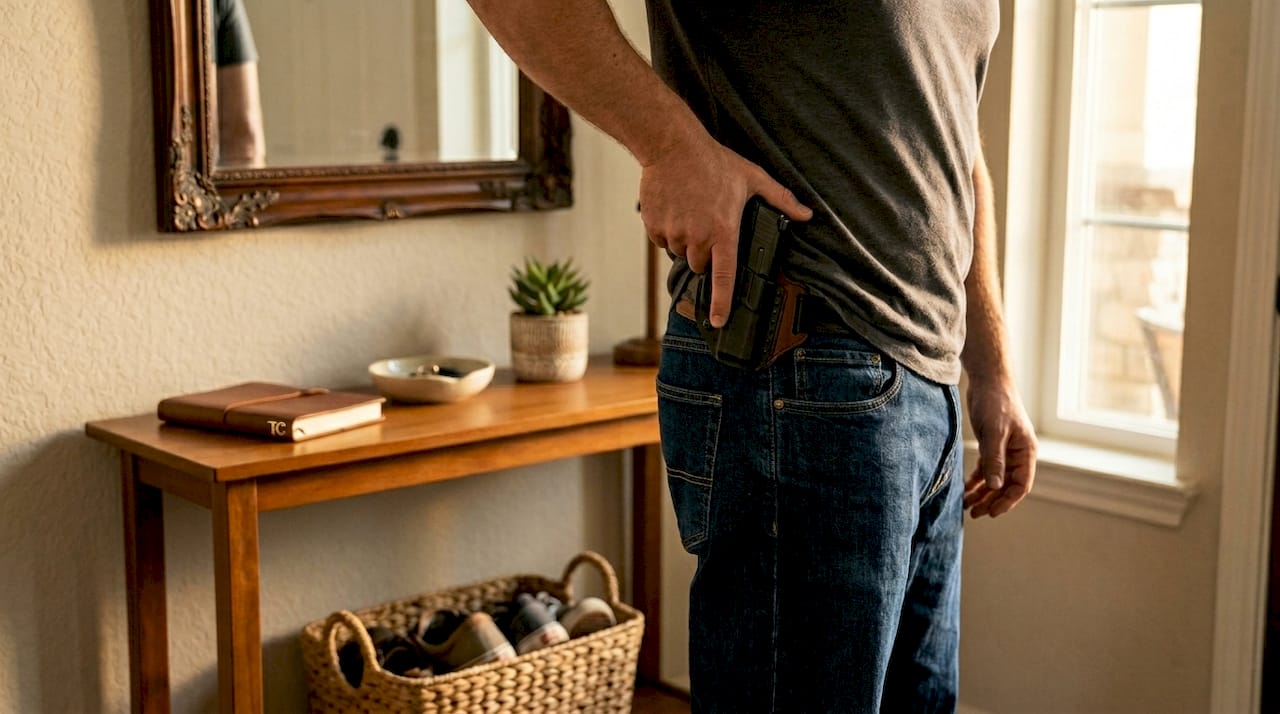
The benefits of micro-compact pistols extend well beyond weight. Their slim profile and short grip reduce printing under clothing, which matters in professional environments, warm climates, or any situation where discretion is non-negotiable. Modern micro-compact 9mm pistols deliver 10 to 12 rounds in a package that was previously only available in .380 ACP or .32 ACP pocket guns with half that capacity. That shift in capability is significant. You no longer have to choose between concealability and meaningful firepower.
Here is what makes these pistols stand out for daily carry:
- Slim profile: Most micro-compacts measure under an inch in width, reducing clothing bulk and printing.
- Lightweight frame: Sub-20-ounce carry weight makes all-day comfort realistic, not aspirational.
- Double-digit capacity: 10 to 12 rounds of 9mm in a sub-4-inch frame is a modern engineering achievement.
- Vehicle maneuverability: Easy to maneuver in tight spaces like a car seat or crowded environment, where larger pistols become liabilities.
- Backup gun versatility: Micro-compacts serve equally well as a primary carry or a backup to a full-size duty pistol.
- Caliber options: 9mm and .380 ACP both offer manageable recoil in this size class, with 9mm providing superior terminal performance.
Pro Tip: If you are new to micro-compact carry, spend two weeks wearing the pistol at home in your chosen holster before committing to a carry setup. Comfort and draw efficiency reveal themselves in practice, not at the gun counter.
How do micro-compact pistols compare with compact and subcompact handguns?
Size categories in handguns are not standardized across manufacturers, but the industry has settled on practical distinctions. Compact pistols like the Glock 19 or Sig Sauer P320 Compact typically run 3.8 to 4.2-inch barrels with grip heights around 5 inches. Subcompacts like the Glock 26 trim that down to roughly 3.4-inch barrels. Micro-compacts go further, with barrel lengths under 3 inches and grip heights that often accommodate only two fingers without an extended magazine.
The table below shows where micro-compacts sit relative to their larger counterparts:
| Category | Barrel length | Grip height | Capacity (9mm) | Unloaded weight |
|---|---|---|---|---|
| Compact | 3.8–4.2 in | ~5 in | 15–17 rounds | 24–30 oz |
| Subcompact | 3.0–3.5 in | ~4.5 in | 10–13 rounds | 20–26 oz |
| Micro-compact | Under 3 in | Under 4 in | 10–12 rounds | Under 20 oz |
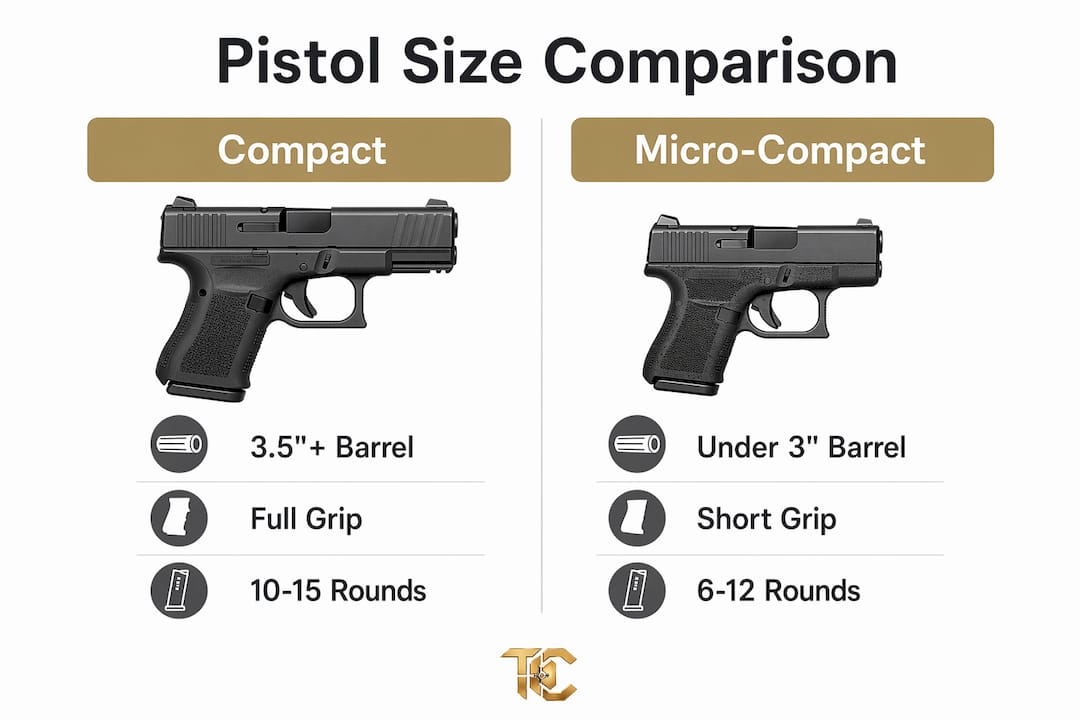
The tradeoff is real. Shorter sight radius reduces the margin for error on longer shots, and a lighter frame transmits more felt recoil to your hand. Smaller grip and short barrel increase recoil and reduce sight radius, which demands more shooting discipline than a compact or full-size pistol. Think of it like a finely tuned espresso versus a drip coffee. The concentration is higher, and the margin for error is tighter. But when the setup is right, the result is exactly what you need.
One emerging trend worth noting: compensated micro-compact models are narrowing the shootability gap without adding meaningful size. The Sig Sauer P365 XL Macro with its integrated compensator is a prime example of how 2026 designs are addressing the recoil penalty directly.
Pro Tip: Before buying, handle both a compact and a micro-compact at a range that offers rentals. The difference in recoil impulse and grip feel is immediately apparent, and your hand size will tell you which platform you can control more reliably.
What are the shootability tradeoffs and how do you manage them?
Shooting a micro-compact well requires more deliberate technique than shooting a Glock 17 or a Smith and Wesson M&P 2.0 full-size. That is not a criticism. It is a design reality you need to plan for. Grip discipline and consistent training address the shootability challenges more effectively than switching platforms. The pistol is not the problem. Underdeveloped fundamentals are.
Here is a practical training framework for building competence with a micro-compact:
- Establish a high grip. Ride the beavertail as high as possible to maximize control over muzzle flip. A low grip on a micro-compact amplifies every recoil impulse.
- Develop a crush grip. Apply firm, consistent pressure with both hands before the trigger breaks. Inconsistent grip pressure is the primary cause of fliers with short-barreled pistols.
- Train at realistic distances. Most defensive encounters occur inside 10 yards. Focus your practice at 5 to 7 yards before extending to 15 yards. Accuracy at close range with a micro-compact is a learnable skill.
- Dry-fire regularly. Trigger control on a micro-compact is unforgiving. Dry-fire practice at home builds the muscle memory that live-fire sessions reinforce.
- Optimize your holster. Holster fit significantly impacts effective carry; a well-fitted inside-the-waistband holster at the 3 o’clock or appendix position minimizes printing and enables a consistent draw stroke.
Selecting a pistol that fits your hand is not optional. Grip size is pivotal for micro-compact shooters; shooters with smaller hands often find micro-compacts easier to control than subcompacts with longer grips that force a stretched trigger reach. Pairing the right pistol with the right personal defense ammo also matters. A quality hollow-point load in 9mm performs reliably from a 3-inch barrel and reduces over-penetration risk in defensive scenarios.
Pro Tip: Test your draw from your actual carry position, not from a square range stance. Appendix carry and strong-side hip carry produce very different draw mechanics, and your training should match your real-world setup.
How do compensators and grip design improve micro-compact performance?
The most significant development in micro-compact pistols over the past two years is the integration of slide-mounted and barrel-integrated compensators. Integrated compensators drastically reduce recoil and muzzle flip by venting propellant gas upward through ports in the slide or barrel, countering the upward rotation of the muzzle during firing. The practical result is faster follow-up shots and better split times without adding a single inch to the pistol’s overall length.
Key developments reshaping the micro-compact category in 2026:
- Slide-integrated compensators: Ported directly into the slide, these require no additional hardware and add no length. The Sig Sauer P365 XL Macro uses this approach effectively.
- Extended grip modules: Manufacturers now offer grip extensions that allow a full three-finger hold without changing the slide or barrel. This improves control and often accommodates higher-capacity magazines.
- Optics-ready slides: Red dot compatibility is now standard on most new micro-compact releases, extending effective engagement distance without compromising the carry profile.
- Improved trigger geometry: Shorter reset triggers on models like the Springfield Hellcat Pro reduce the skill gap between micro-compact and full-size shooting.
The combination of a compensated slide and a grip module that accepts a 15-round magazine produces a pistol that carries like a micro-compact and shoots closer to a compact. That is a meaningful shift. For anyone who previously avoided micro-compacts due to recoil sensitivity or accuracy concerns, these developments remove the primary objections. Exploring the best conceal carry pistols in this new generation reveals how quickly the category has matured.
Key takeaways
Micro-compact pistols are the most practical choice for daily concealed carry when concealability, weight, and modern capacity are the primary requirements.
| Point | Details |
|---|---|
| Concealability advantage | Sub-3-inch barrels and under-20-oz weight make all-day carry realistic for most body types. |
| Modern capacity | 10 to 12 rounds of 9mm in a micro-compact frame eliminates the old firepower tradeoff. |
| Shootability demands practice | Short sight radius and light weight require grip discipline and consistent dry-fire training. |
| Compensators close the gap | Integrated compensators reduce muzzle flip and improve follow-up shot speed without adding size. |
| Holster selection matters | Concealment performance depends as much on holster fit and carry position as on pistol dimensions. |
The honest case for going small
I have carried everything from a full-size 1911 to a pocket .380, and the micro-compact category represents the most honest engineering compromise I have seen in personal defense firearms. The Sig P365 changed the conversation when it launched, and the current generation of compensated micro-compacts has pushed that further than most people expected.
Here is my practical take: micro-compacts are not for everyone, and pretending otherwise does a disservice to new carriers. If you have large hands and shoot a compact pistol with confidence, there is no compelling reason to downsize. The concealment gain is real but incremental. Where micro-compacts genuinely shine is for shooters with smaller hands, those who carry in warm climates with limited clothing options, and anyone who has found themselves leaving a larger pistol at home because it was too uncomfortable to wear all day.
The pistol you carry consistently is always better than the pistol you carry occasionally. A micro-compact you shoot 500 rounds through per month will serve you better than a full-size you shoot twice a year. Invest in a quality inside-the-waistband holster, test your draw in the positions you actually use, and build a personal protection plan around realistic practice. The pistol is only one component of that system.
— Brian
Explore micro-compact options at Tungstencreektactical

Tungstencreektactical carries a curated selection of micro-compact pistols and accessories built for serious concealed carry. Whether you are looking for a proven platform like the Sig Sauer P365-380 or want a precision-built firearm tailored to your carry needs, the team at Tungstencreektactical can help you find the right fit. Browse custom gun builds for options configured specifically for concealed carry, or use the Tungstencreektactical mobile app to compare pricing, scan products, and unlock VIP benefits on your next purchase. The right micro-compact is the one that fits your hand, your holster, and your daily routine.
FAQ
What caliber is best for a micro-compact pistol?
9mm is the most practical caliber for micro-compact pistols, offering a balance of terminal performance, manageable recoil, and magazine capacity. Modern 9mm hollow-point loads perform reliably from barrels as short as 3 inches.
Are micro-compact pistols reliable enough for self-defense?
Modern micro-compact pistols from manufacturers like Sig Sauer and Springfield Armory meet the same reliability standards as full-size duty pistols. Regular cleaning and quality ammunition are the primary factors in maintaining that reliability.
How many rounds do micro-compact pistols hold?
Micro-compact 9mm pistols typically hold 10 to 12 rounds in the standard magazine, with extended magazines often pushing that to 15 rounds while adding grip length.
Are micro-compact pistols harder to shoot accurately?
Yes, relative to compact and full-size pistols. The shorter sight radius and lighter frame increase felt recoil and reduce the margin for error. Consistent grip technique and regular practice close that gap significantly.
What holster works best for a micro-compact?
An inside-the-waistband holster with a rigid shell and adjustable retention works best for most micro-compact carry setups. Appendix carry and strong-side hip carry are the two most common positions, and the right choice depends on your body type and daily activities.
Recommended
Related Post

Discover the 5 ways
An introduction to Tactical Luxury Guns & Coffee We founded
Top 5 Best PCC’s
In 2026, the Pistol Caliber Carbine (PCC) market is no