Why Ballistic Eyewear Matters for Tactical Shooters
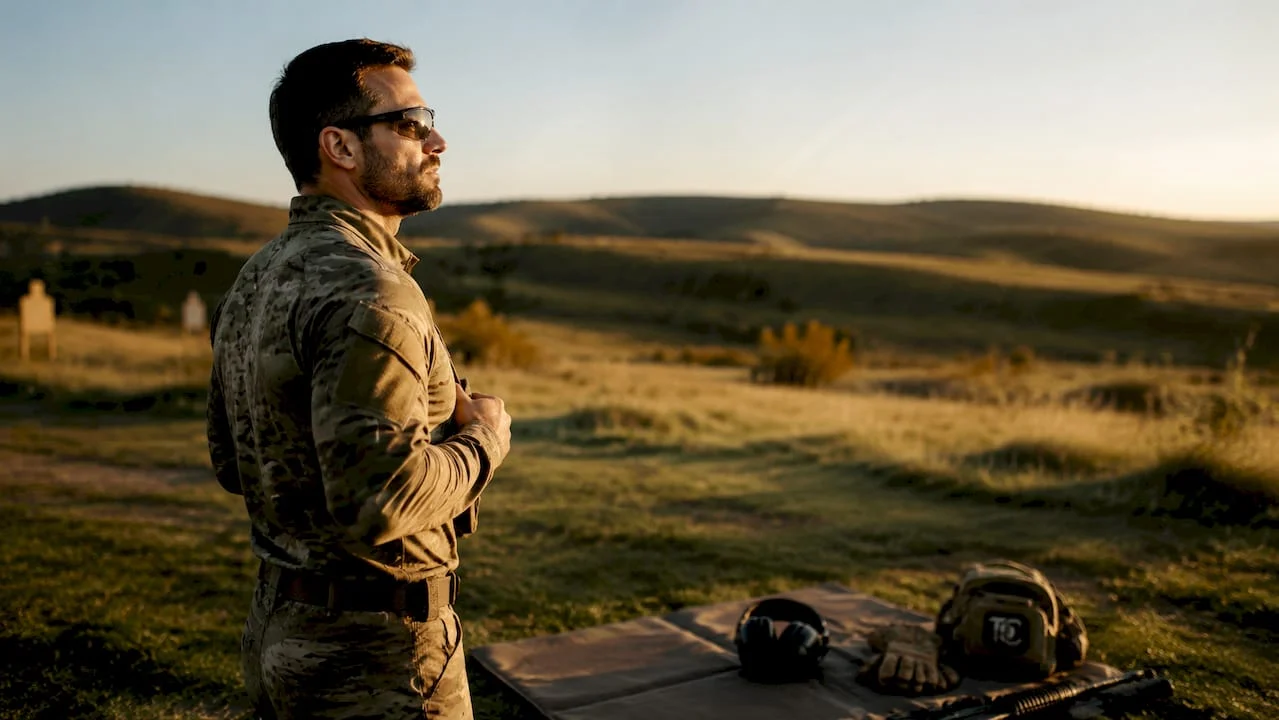
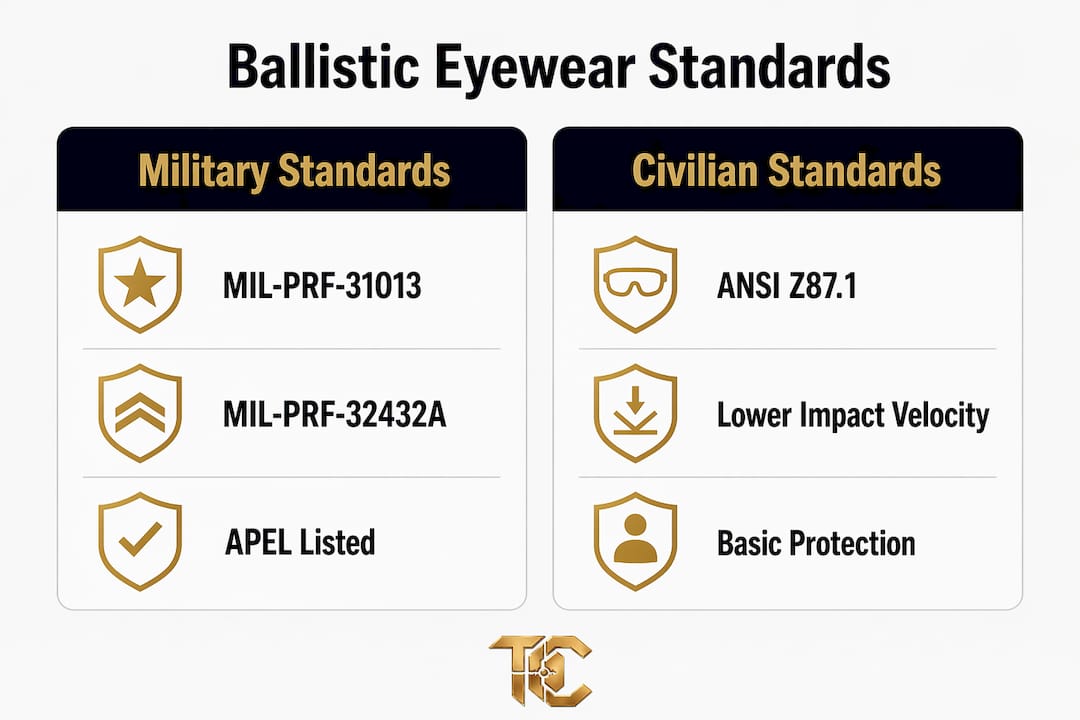
Ballistic eyewear is defined as protective glasses or goggles engineered to withstand high-velocity projectile impacts and fragmentation hazards that standard safety glasses cannot stop. Understanding why ballistic eyewear matters goes beyond basic safety compliance. Ricochets and fragmentation cause permanent eye injuries without proper ballistic-rated protection, and no amount of skill compensates for an unprotected eye at the range or in the field. Military-grade ballistic eyewear meets demanding specifications like MIL-PRF-31013 and MIL-PRF-32432A, standards that exist precisely because the threats in tactical environments are categorically different from those in a factory or workshop. If you carry a firearm, train regularly, or work in high-risk outdoor environments, your eyes deserve the same level of thought you give your sidearm.
Why ballistic eyewear matters: military vs. civilian standards
The gap between military ballistic standards and civilian safety standards is not a matter of degree. It is a matter of category. ANSI Z87.1 tests lenses with steel balls at approximately 147 ft/sec. That velocity covers most industrial splash and debris hazards. It does not cover a rifle ricochet or a fragmentation event.
MIL-PRF-32432A tests Fragment Simulating Projectiles at 640–660 ft/sec, nearly five times the velocity used in civilian testing. That difference in kinetic energy is the reason a pair of certified ballistic glasses can stop a fragment that would shatter a standard safety lens and drive it into your eye.
MIL-PRF-31013 applies to spectacle-style ballistic eyewear, while MIL-PRF-32432A covers goggle-style systems. Both are far more demanding than ANSI Z87.1 in projectile mass, velocity, and fragment geometry. Think of ANSI Z87.1 as a solid baseline for the workshop and MIL-PRF-32432A as the specialized standard built for environments where fragments travel at speeds that make civilian testing look like a slow pitch.
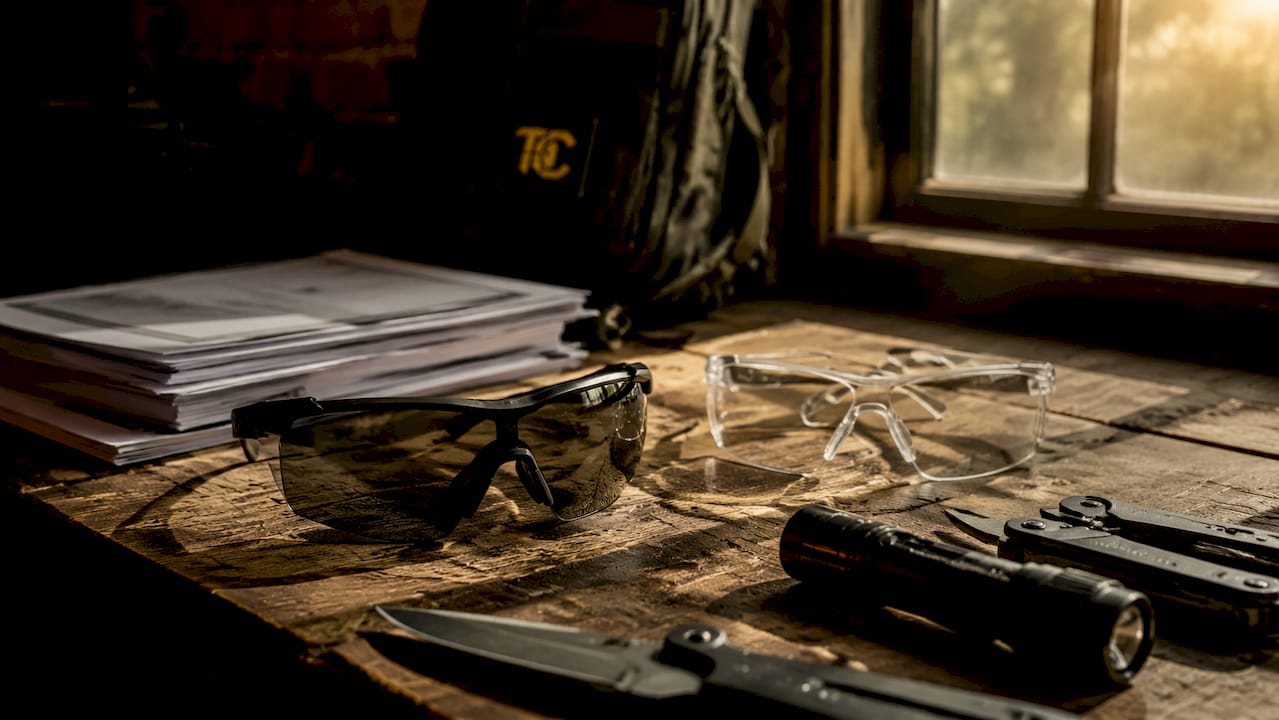
The U.S. Army’s Authorized Protective Eyewear List (APEL) is the definitive verification tool for ballistic eyewear compliance. Products on the APEL have been independently tested and confirmed to meet fragmentation and impact standards. A label that says “ballistic-rated” without APEL listing or documented MIL-PRF certification is marketing, not protection.
Standards comparison at a glance
| Standard | Test Projectile | Velocity | Primary Use |
|---|---|---|---|
| ANSI Z87.1 | Steel ball | ~147 ft/sec | Industrial/civilian |
| MIL-PRF-31013 | Fragment Simulating Projectile | 640–660 ft/sec | Military spectacles |
| MIL-PRF-32432A | Fragment Simulating Projectile | 640–660 ft/sec | Military goggles |
| APEL Listing | Full compliance verification | Both standards | U.S. Army field use |
Pro Tip: Before purchasing, search the product name directly on the APEL database at cpeground.army.mil. If it is not listed, treat any ballistic claim with skepticism regardless of how the packaging reads.
Does ballistic eyewear actually improve shooting performance?
Protection is the primary reason to wear ballistic eyewear. Performance is the reason serious shooters never take it off. Ballistic glasses certified to MIL-PRF-31013 improve vision consistency and focus while providing high-impact protection. That combination matters more than most shooters realize until they experience it firsthand.
The optical clarity of polycarbonate and Trivex lenses, the two materials recommended by the American Academy of Ophthalmology and military safety experts, is not an afterthought. These materials deliver high light transmission with minimal distortion, which means your sight picture stays clean and your eye fatigue drops over a long session. Compare that to a cheap pair of tinted lenses that introduce color shift or barrel distortion, and you will feel the difference in your groups.
Key performance features to look for in quality ballistic eyewear include:
- Anti-fog coatings that maintain clear vision during physical exertion or rapid temperature changes
- Anti-scratch coatings that preserve optical quality through extended field use
- Wraparound frame geometry that eliminates peripheral blind spots without restricting your field of view
- Interchangeable lens systems that let you swap tints for bright sun, overcast conditions, or low-light indoor ranges
- Adjustable temple arms and nose pieces for a secure fit that does not shift during recoil
Gear compatibility is another performance factor that gets overlooked. Ballistic eyewear must work alongside helmets and hearing protection without breaking the acoustic seal on your ear muffs. A frame that is too thick or too wide will gap your ear protection, and that gap costs you decibels of protection on every shot. Fit is not just about comfort. It is about the entire system working together.
Pro Tip: If you run over-ear hearing protection, bring it to the store when you try on ballistic eyewear. Test the combination before you buy. A frame that fits perfectly alone can ruin your ear pro seal the moment you put both on.
What materials and design features define quality ballistic eyewear?
Lens material is the foundation of any ballistic eyewear system. Polycarbonate is the most widely used option because it absorbs impact energy through deformation rather than shattering. Trivex offers similar impact resistance with slightly better optical clarity and lighter weight, making it the preferred choice for shooters who spend long hours behind glass. Both materials are recommended by the American Academy of Ophthalmology for protective applications.
Frame design matters as much as lens material. A full-coverage wraparound frame protects the orbital area from side and top angles that a flat lens leaves exposed. Nylon and TR-90 polymer frames are common in certified ballistic eyewear because they flex on impact rather than fracturing into secondary projectiles. Metal frames, regardless of how premium they look, are not appropriate for ballistic use.
Coatings are the third layer of the system. Quality ballistic lenses include chemical-resistant coatings that hold up against DEET-based insect repellents and solvent cleaners, both of which are common in field environments and will degrade uncoated lenses within weeks. Certified ballistic eyewear also undergoes 72 hours of testing at 160°F and at -60°F, plus 200 hours of solar radiation exposure, to confirm that coatings and lens materials remain intact across the full range of operational conditions. That level of environmental testing is what separates field-ready gear from range-day novelties.
When evaluating any pair of ballistic glasses or goggles, check for these criteria before purchasing:
- Documented MIL-PRF-31013 or MIL-PRF-32432A certification
- APEL listing or equivalent independent verification
- Polycarbonate or Trivex lens material clearly stated
- Chemical-resistant and UV-protective lens coatings
- Wraparound or full-coverage frame design
- Compatibility with your existing helmet and hearing protection
Cheap, uncertified eyewear creates a false sense of security. A lens that shatters on impact becomes a secondary fragmentation hazard. The cost difference between certified and uncertified eyewear is small compared to the cost of an eye injury.
How to choose ballistic eyewear for your specific use case
Matching your eyewear to your actual risk environment is the practical step most buyers skip. The right pair for a competitive shooter at an indoor range is not the same as the right pair for a law enforcement officer on a dynamic entry or a hunter in bright alpine conditions. Here is a straightforward process for making the right call.
-
Define your primary environment. Indoor ranges need lenses with high light transmission, typically clear or light yellow tints. Outdoor shooting in direct sun calls for gray or copper tints that reduce glare without distorting color. Tactical operators who move between environments need an interchangeable lens system.
-
Confirm the certification level you need. Recreational shooters at a supervised range can often meet their needs with ANSI Z87.1+ rated eyewear. Anyone in a military, law enforcement, or high-risk training context should require MIL-PRF-31013 or MIL-PRF-32432A compliance and verify APEL listing.
-
Check gear compatibility before you commit. As noted above, tactical gear integration is a real operational concern. Test your eyewear with your helmet, ear pro, and any face covering you use regularly.
-
Verify the source. Purchasing from unverified sources risks receiving products that claim ballistic protection but lack official validation. Buy from established tactical retailers or directly from brands with documented certification histories.
-
Plan for maintenance. Ballistic lenses need proper cleaning with microfiber cloths and lens-safe solutions. Abrasive cleaning degrades coatings and reduces optical clarity over time. Replace lenses or full units when scratches accumulate in your primary field of view.
Selecting tactical accessories for firearm owners follows the same logic as selecting the firearm itself. You match the tool to the task, verify the specifications, and buy quality once rather than replacing cheap gear repeatedly.
Key takeaways
Ballistic eyewear certified to MIL-PRF-31013 or MIL-PRF-32432A is the only reliable defense against the fragmentation and ricochet hazards present in tactical and shooting environments.
| Point | Details |
|---|---|
| Military vs. civilian standards | MIL-PRF-32432A tests at 640–660 ft/sec versus ANSI Z87.1’s 147 ft/sec. |
| APEL verification is non-negotiable | Only APEL-listed products confirm compliance with U.S. Army fragmentation standards. |
| Lens material determines protection | Polycarbonate and Trivex are the only materials recommended for ballistic use. |
| Gear compatibility affects safety | Eyewear that breaks your ear pro seal reduces both hearing and eye protection. |
| Certification beats price | Cheap, uncertified lenses can shatter and create secondary fragmentation hazards. |
The honest case for not cutting corners on eye protection
I have seen shooters spend $2,000 on a custom build and then grab a $15 pair of tinted glasses off a rack because “they look fine.” That logic baffles me every time. Your eyes are the one piece of equipment you cannot replace, upgrade, or swap out when they fail.
The fit and compatibility issues are real and underappreciated. I have run setups where the eyewear looked perfect on its own and then created a gap in my ear muffs that let in enough noise to matter over a long training day. Getting that combination right takes deliberate testing, not guesswork at the register.
The other thing I push back on is the idea that ballistic eyewear is only for military or law enforcement. If you are running shooting accessories at the range, you are still downrange from ricochets, ejected brass, and the occasional squib or malfunction. The physics do not care about your civilian status. A fragment at speed will do the same damage regardless of the context.
Invest in certified eyewear the same way you invest in quality ammunition or a reliable holster. It is not a luxury item. It is part of the system. And like a well-selected piece of gear that you barely notice because it just works, good ballistic eyewear disappears into your setup and lets you focus entirely on the task in front of you.
— Brian
Gear up with Tungstencreektactical
Tungstencreektactical carries tactical gear and accessories built for firearm owners who take their setup seriously. Whether you are outfitting for the range, the field, or everyday carry, the right protective gear starts with verified, certified products from a source you can trust.
Explore the full range of tactical accessories and custom firearms at Tungstencreektactical, where every product is selected with the same standard you apply to your own gear. If you are building out a complete tactical kit, check out the custom guns and precision builds available through the site. Your eyes, your ears, and your firearm all deserve the same level of care. Tungstencreektactical makes it straightforward to get there.
FAQ
What is ballistic eyewear, exactly?
Ballistic eyewear is glasses or goggles designed to stop high-velocity projectiles and fragmentation that standard safety glasses cannot handle. Certified versions meet military standards like MIL-PRF-31013 or MIL-PRF-32432A, which test lenses at 640–660 ft/sec.
How is ballistic eyewear different from safety glasses?
Standard safety glasses meet ANSI Z87.1, which tests at approximately 147 ft/sec. Ballistic-rated eyewear is tested at nearly five times that velocity, making it the only appropriate choice for shooting and tactical environments.
What does APEL mean and why does it matter?
APEL stands for Authorized Protective Eyewear List, maintained by the U.S. Army. APEL-listed products have been independently verified to meet stringent ballistic fragmentation standards, unlike products that simply claim ballistic protection on their packaging.
Which lens material is best for ballistic protection?
Polycarbonate and Trivex are the two materials recommended by the American Academy of Ophthalmology and military safety experts for ballistic eyewear. Both absorb impact energy without shattering and maintain strong optical clarity.
Do recreational shooters need ballistic-rated eyewear?
Recreational shooters face real risks from ricochets, ejected brass, and fragmentation at any range. Certified ballistic eyewear is recommended for military, law enforcement, tactical trainers, and civilian shooters alike because the physics of high-velocity fragments do not change based on the setting.
Recommended
Related Post

Discover the 5 ways
An introduction to Tactical Luxury Guns & Coffee We founded
Top 5 Best PCC’s
In 2026, the Pistol Caliber Carbine (PCC) market is no