
Why Proper Barrel Maintenance Matters for Accuracy

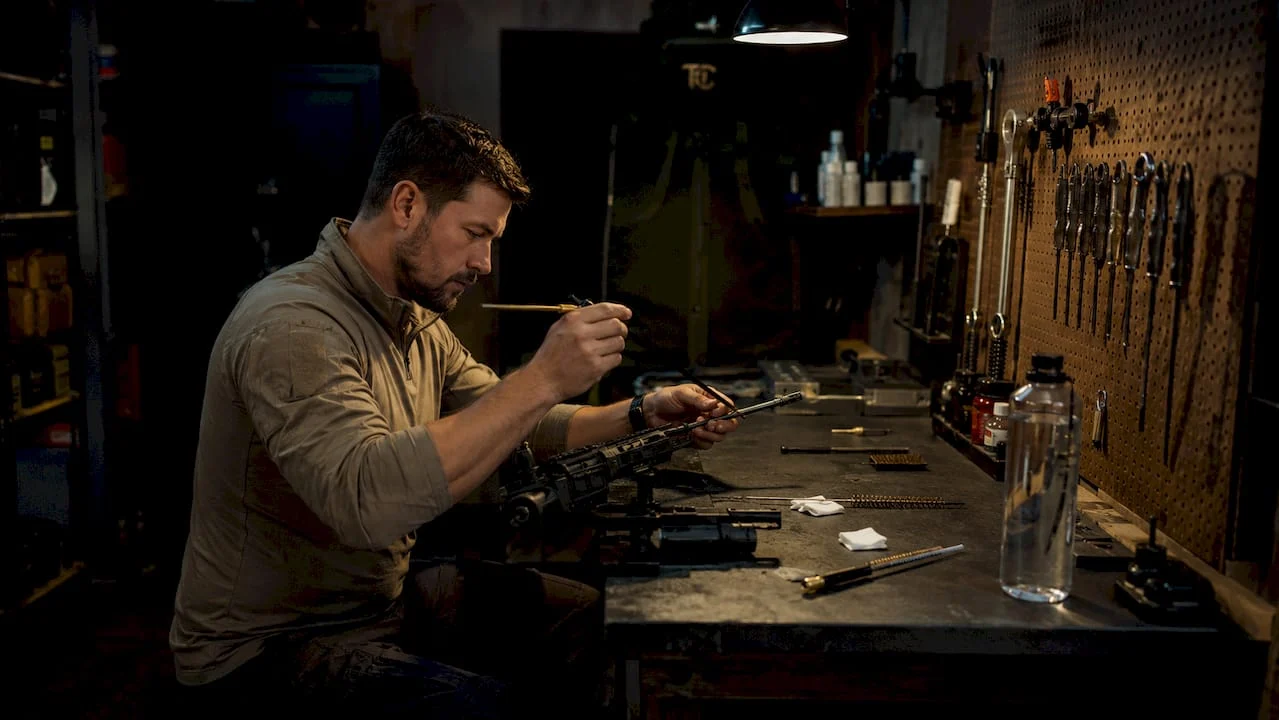
Proper barrel maintenance is the practice of cleaning, caring for, and protecting your firearm’s barrel to preserve consistent accuracy, reliability, and safe operation. Skip it, and you pay in degraded performance, shortened barrel life, and potentially unsafe conditions. The good news is that the right approach to barrel care is neither complicated nor time-consuming. It just requires knowing what actually damages barrels, which cleaning methods protect them, and how storage habits either extend or shorten their lifespan. This guide covers all of it, grounded in expert recommendations and real-world technique.
Why proper barrel maintenance is the foundation of firearm performance
Barrel maintenance is not just about cleanliness. It is about preserving the mechanical precision that makes a firearm accurate and reliable. A well-maintained barrel holds its rifling geometry, protects its muzzle crown, and resists the corrosion that silently degrades metal over time. Understanding why maintaining firearms matters starts with knowing what is working against your barrel every time you pull the trigger.
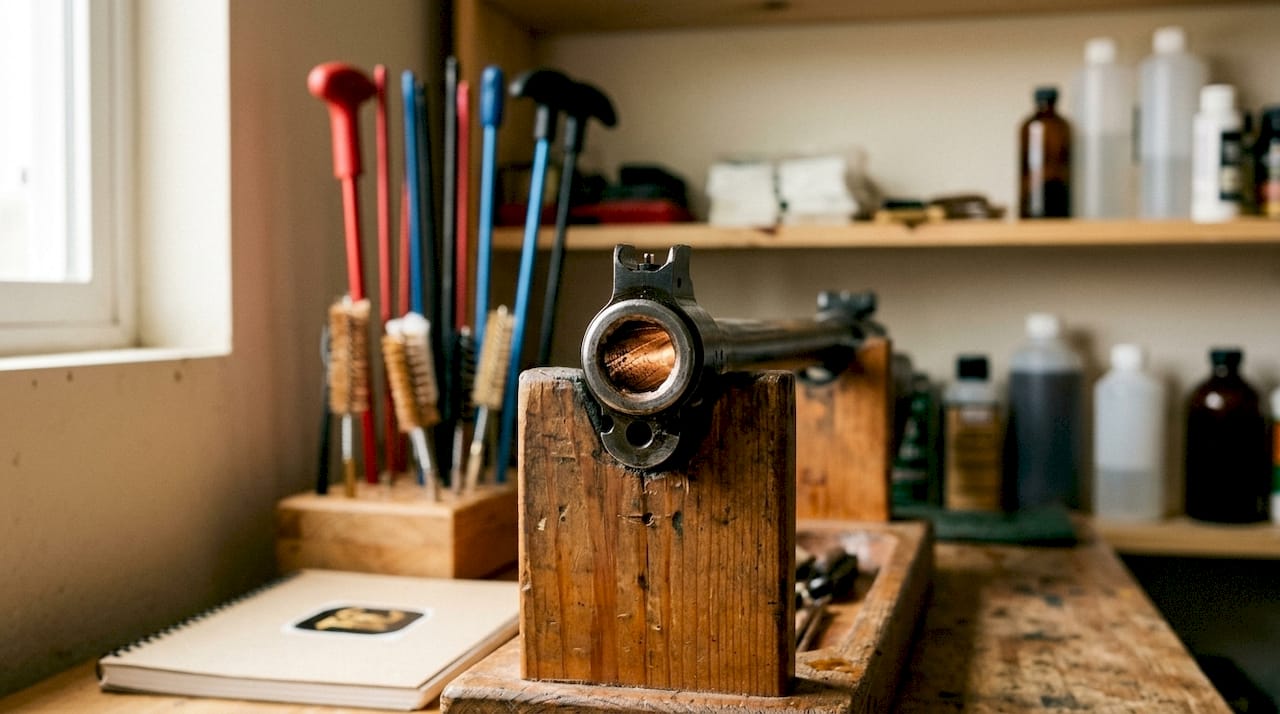
Three forces degrade barrels: heat, fouling, and mechanical damage from improper cleaning. Each one operates differently, and each requires a different response.
Heat and throat erosion
Heat from rapid firing is the leading accelerant of throat erosion. High-velocity cartridges fired in quick succession without cooling can degrade a barrel in a few hundred rounds. That is not a typo. The throat, the section just ahead of the chamber, takes the most punishment because it absorbs the initial blast of superheated gas with every shot. Letting your barrel cool between strings is one of the highest-return habits a shooter can build.
Fouling: carbon and copper deposits
Fouling is a natural byproduct of firing. Carbon deposits from burned powder coat the bore, while copper from jacketed bullets smears into the rifling grooves. Both affect accuracy by changing the bore’s internal geometry. Carbon fouling is relatively easy to remove with standard solvents. Copper fouling requires a dedicated copper solvent and more patience. Left unchecked, heavy copper buildup tightens the bore and degrades shot-to-shot consistency.
Corrosion and moisture damage
Corrosion from moisture starts invisibly and compounds over time. A barrel stored without a protective oil coat in a humid environment can develop pitting that no amount of cleaning will reverse. Fingerprints also introduce salt and moisture directly onto the metal. The damage is slow, quiet, and permanent once it sets in.
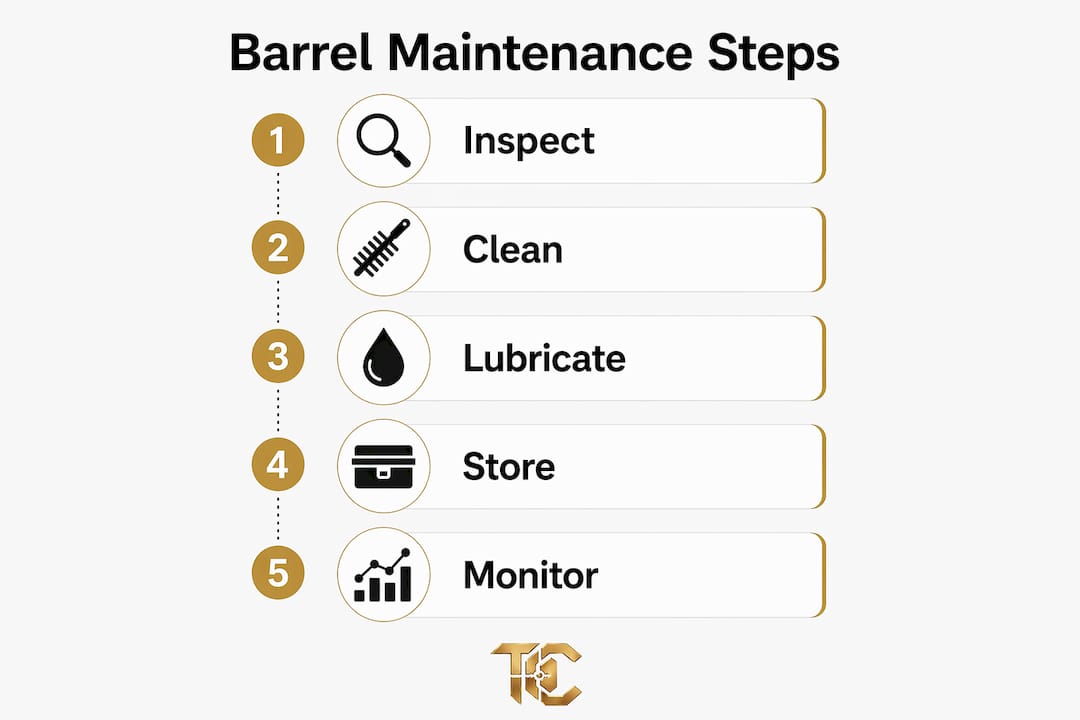
Here is a quick summary of the primary damage factors and how maintenance addresses each:
- Heat: Allow barrels to cool between firing strings. Avoid sustained rapid fire with high-velocity cartridges.
- Carbon fouling: Use bore-safe solvents after each session. Let the solvent dwell before patching.
- Copper fouling: Apply a dedicated copper solvent and allow adequate contact time before brushing.
- Corrosion: Wipe down the exterior after handling. Apply a thin bore oil coat before storage.
- Mechanical damage: Use proper tools, correct cleaning direction, and avoid abrasive jags or rods that contact rifling.
How to properly break in a new barrel
Breaking in a new barrel is one of the most overlooked steps in firearm ownership. It is also one of the highest-leverage things you can do for long-term performance. The manufacturing process leaves microscopic tooling marks inside the bore. A proper break-in smooths those marks, which makes the bore easier to clean and more consistent over its entire service life.
The standard break-in protocol involves firing 50 rounds in small groups with a thorough cleaning between each group. The process is methodical by design. Each group of shots deposits a small amount of fouling, and each cleaning cycle removes it along with the tooling marks it has abraded away. Over time, the bore surface becomes smoother and more uniform.
Follow these steps for a reliable break-in:
- Fire 1 round. Remove the rifle from the bench and run a solvent-soaked patch through the bore from chamber to muzzle. Follow with dry patches until they come out clean.
- Repeat for the first 10 rounds. Clean after every single shot during this phase. This is the most critical window for removing tooling marks.
- Fire in 3-round groups. For rounds 11 through 30, clean after every 3 shots. The bore is becoming smoother, so fouling releases more easily.
- Fire in 5-round groups. For rounds 31 through 50, clean after every 5 shots. By this point, patches should be coming out noticeably cleaner than in the early stages.
- Confirm completion. After round 50, your patches should show minimal fouling after a standard cleaning. If they still come out heavily stained, run a few more groups and repeat the process.
Pro Tip: Skipping the break-in does not ruin a barrel immediately, but it does mean more stubborn fouling for the life of that barrel. The investment of one range session pays dividends every time you clean afterward.
What are the best practices for barrel cleaning?
Cleaning a barrel correctly matters as much as cleaning it at all. Poor technique with the wrong tools can cause more damage than a few extra rounds of fouling. The goal is to remove deposits without abrading the bore surface, damaging the rifling, or harming the muzzle crown.
Use the right tools
Always use a one-piece coated cleaning rod with a bore guide. A bore guide centers the rod in the chamber and prevents it from contacting the chamber walls or throat during the cleaning stroke. Segmented rods flex at the joints and can create lateral pressure against the rifling. A quality one-piece rod eliminates that risk entirely.
Avoid Dewey-style jags with exposed metal teeth. Those toothed rings can contact the rifling and crown directly, grinding away metal with every pass. Use smooth jags or patch loops that hold the patch securely without exposing hard metal edges.
Clean from chamber to muzzle
Always push the rod from the chamber end toward the muzzle. This direction moves fouling out of the barrel the same way a bullet exits, which is the path of least resistance. Cleaning from the muzzle end risks dragging debris back across the crown, the most accuracy-critical surface on the barrel.
Never pull a bronze brush backward over the muzzle crown. Push the brush fully through until it clears the muzzle, then detach the rod and pull it back from the chamber end. Pulling a bronze brush backward drags the angled bristles against the crown and damages it over repeated sessions.
Let solvents do the work
Excessive brushing and harsh chemicals wear barrels prematurely. Apply solvent, let it dwell for several minutes, then patch. The chemical action of the solvent loosens fouling so you need minimal mechanical scrubbing. Scrubbing aggressively with a bronze brush every session adds unnecessary abrasion to the bore.
Pro Tip: If your patches are coming out clean after 5 rounds, your bore is in good shape. You do not need to scrub until the patch is spotless white. Chasing perfection with a brush does more harm than the fouling itself.
When to clean
Clean based on accuracy changes, not arbitrary schedules. Some rifles shoot more consistently with a light fouling coat in the bore. If your groups are tight and your point of impact is stable, a thorough cleaning may not be necessary after every session. Track your performance and let the data guide your cleaning frequency.
| Situation | Recommended action |
|---|---|
| After every range session | Wipe exterior, apply bore oil, inspect crown |
| Accuracy degradation noticed | Full cleaning with solvent and patches |
| Extended storage planned | Full cleaning plus thin bore oil coat |
| Exposure to rain or humidity | Immediate cleaning and oil application |
| New barrel, first 50 rounds | Break-in protocol with cleaning between groups |
How does proper storage protect barrel longevity?
Storage is where many firearm owners lose ground they gained through good cleaning habits. A clean barrel stored incorrectly can develop corrosion within weeks. The environment inside a gun safe or case matters as much as what you do at the cleaning bench.
Applying a thin bore oil coat before storage is the single most effective step for preventing moisture damage. The oil creates a barrier between the metal and the air. Use a quality bore oil on a patch, run it through the bore once, and wipe the exterior with a lightly oiled cloth. You do not need a heavy coat. Excess oil can attract debris and cause pressure spikes if it pools near the chamber.
Follow these storage habits to protect your barrel between sessions:
- Allow the barrel to cool completely before placing the firearm in a case or safe. Heat trapped in an enclosed space accelerates moisture condensation on metal surfaces.
- Avoid airtight foam-lined cases for long-term storage. Foam absorbs and holds moisture, which then contacts the metal. Hard cases with foam are fine for transport, not for weeks-long storage.
- Store firearms vertically or horizontally on a rack that does not concentrate pressure on the barrel. Pressure points against the barrel can cause stress over time.
- Use a dehumidifier rod inside your safe if you live in a humid climate. Consistent low humidity is the most reliable long-term protection against corrosion.
- Check the bore every 30 days during extended storage. Run a dry patch through and inspect for any discoloration or pitting. Catching corrosion early means you can address it before it becomes permanent.
For additional guidance on rifle rod storage techniques, proper positioning and support during storage can further reduce mechanical stress on the barrel over time.
Key takeaways
Proper barrel maintenance combines correct cleaning technique, disciplined break-in procedures, and smart storage habits to preserve accuracy and extend barrel life.
| Point | Details |
|---|---|
| Heat is the top threat | Allow barrels to cool between firing strings to slow throat erosion. |
| Break-in pays long-term dividends | Fire 50 rounds in small groups with cleaning between each to smooth the bore. |
| Tools and direction matter | Use a one-piece coated rod with a bore guide, always cleaning chamber to muzzle. |
| Clean on performance, not schedule | Track accuracy changes and clean when groups open up, not on a fixed calendar. |
| Storage requires active protection | Apply thin bore oil before storage and use a dehumidifier in humid environments. |
What consistent barrel care has taught me
Most shooters I talk to fall into one of two camps. They either never clean their barrels, or they scrub them obsessively after every range trip. Both approaches cause problems. The neglect crowd ends up with copper buildup that requires aggressive chemical treatment to remove. The over-cleaners wear their bores faster than the rounds they fire through them.
The insight that changed my own practice was understanding that barrel life depends more on steel quality, rifling method, and cooling discipline than on how often you run a patch through the bore. I started tracking my groups on paper after every session. When accuracy held, I skipped the deep clean and just ran an oiled patch through the bore. When groups opened up, I cleaned. My barrels started lasting longer, and my cleaning sessions became shorter because I was not scrubbing away fouling that was not affecting performance.
The other thing I would tell any shooter is to invest in a quality bore guide before anything else. It is the least glamorous piece of cleaning equipment you will ever buy, and it does more to protect your barrel than any solvent on the market. A good bore guide costs less than a box of premium ammunition. The math is obvious.
Patience is the real skill in barrel maintenance. Let the solvent work. Let the barrel cool. Let the data from your targets tell you when to clean. That discipline, applied consistently, is what separates shooters who get 3,000 rounds of accurate performance from a barrel and those who replace theirs at 1,500.
— Brian
Tungstencreektactical: built for shooters who take performance seriously
Tungstencreektactical serves firearm owners who understand that the gear you choose and the care you give it are both part of the same commitment to performance. Whether you are looking for a custom-built precision firearm that starts with the right barrel or need guidance on accessories that complement your maintenance routine, Tungstencreektactical brings together quality products and honest advice in one place.

The Tungstencreektactical mobile app lets you scan products, compare pricing, and access VIP benefits so you make informed decisions every time. For shooters who want to go deeper on maintaining firearm accuracy, the site offers detailed guides built around the same evidence-based principles covered here. Reach out directly at (689) 686-9321 for professional guidance on custom firearms and barrel selection.
FAQ
What is proper barrel maintenance?
Proper barrel maintenance is the routine practice of cleaning fouling from the bore, protecting the barrel from corrosion, and using correct tools and technique to avoid mechanical damage to the rifling and muzzle crown.
How often should I clean my rifle barrel?
Clean based on accuracy changes rather than a fixed schedule. If your groups remain tight and point of impact is stable, a full cleaning after every session is not always necessary.
Does barrel break-in actually make a difference?
Yes. A standardized break-in protocol smooths manufacturing tooling marks in the bore, which makes the barrel easier to clean and more consistent over its service life.
What tools should I avoid when cleaning a barrel?
Avoid segmented cleaning rods and Dewey-style jags with exposed metal teeth, as both can contact and damage the rifling and muzzle crown during cleaning.
How do I protect my barrel during storage?
Apply a thin bore oil coat before storage, allow the barrel to cool completely before placing the firearm in a case, and use a dehumidifier rod inside your safe if you live in a humid climate.
Recommended
Related Post

Discover the 5 ways
An introduction to Tactical Luxury Guns & Coffee We founded
Top 5 Best PCC’s
In 2026, the Pistol Caliber Carbine (PCC) market is no