How optics elevate shooting accuracy and precision
Steady hands matter, but they’re only part of the equation. Studies confirm that optics provide an aiming reference, align the shooter’s eye with the bore, magnify targets for better resolution at distance, and maintain consistency across variables like position and environment. That means even a shooter with solid fundamentals can leave real accuracy on the table without the right glass on their rifle or pistol. This article breaks down how optics actually work, what science says about their performance benefits, and what you need to know to choose and use them wisely.
Table of Contents
- What are optics and how do they work?
- How optics boost accuracy: The science explained
- Reliability and consistency: Do brands and conditions matter?
- Advanced considerations: Visual adaptation and user experience
- What most shooters miss about optics performance
- Enhance your setup: Quality optics and firearms from the experts
- Frequently asked questions
Key Takeaways
| Point | Details |
|---|---|
| Optics improve aim | Using optics helps shooters align sights and maintain accuracy in all conditions. |
| Magnification has trade-offs | Higher magnification sharpens targets but narrows your view and exaggerates movement. |
| Reliability varies by brand | Brands like Trijicon and Nightforce are statistically more reliable at holding zero post-impact. |
| Skill still matters | Optics help, but consistent practice and integrated fundamentals yield the best results. |
| Proper adaptation prevents fatigue | Training both eyes to work with optics reduces visual strain and boosts effectiveness. |
What are optics and how do they work?
In shooting, an optic is any device that helps you see, aim at, or acquire a target more effectively than the naked eye alone. That’s a broad definition, and it covers a wide range of gear. Understanding which type fits your situation is the first step toward making a smart decision, much like knowing whether you want a bold espresso or a smooth pour-over before you step up to the counter.
The three most common categories are magnified scopes, reflex or red dot sights, and prism sights. Each one addresses a different set of shooting demands.
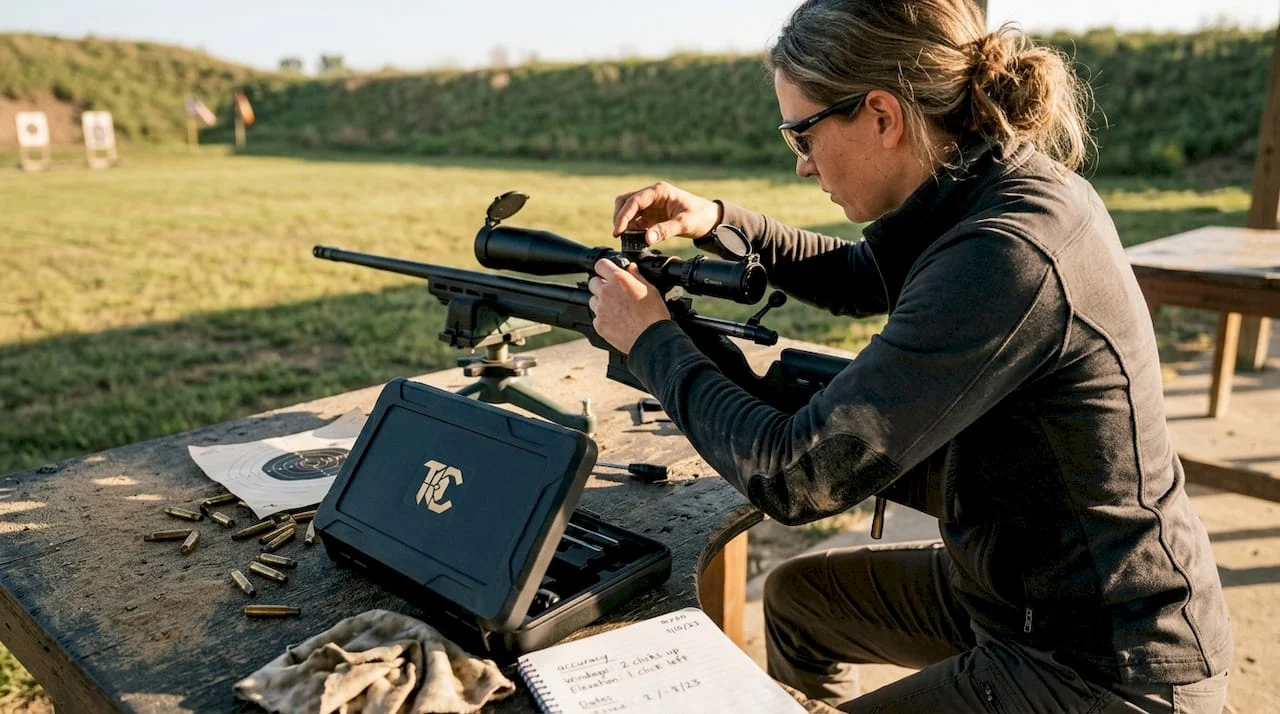
Magnified scopes use a series of lenses to zoom in on a target, giving you a clearer picture at longer distances. They’re standard on precision rifles and hunting platforms where you need to identify and hit targets beyond 100 yards.
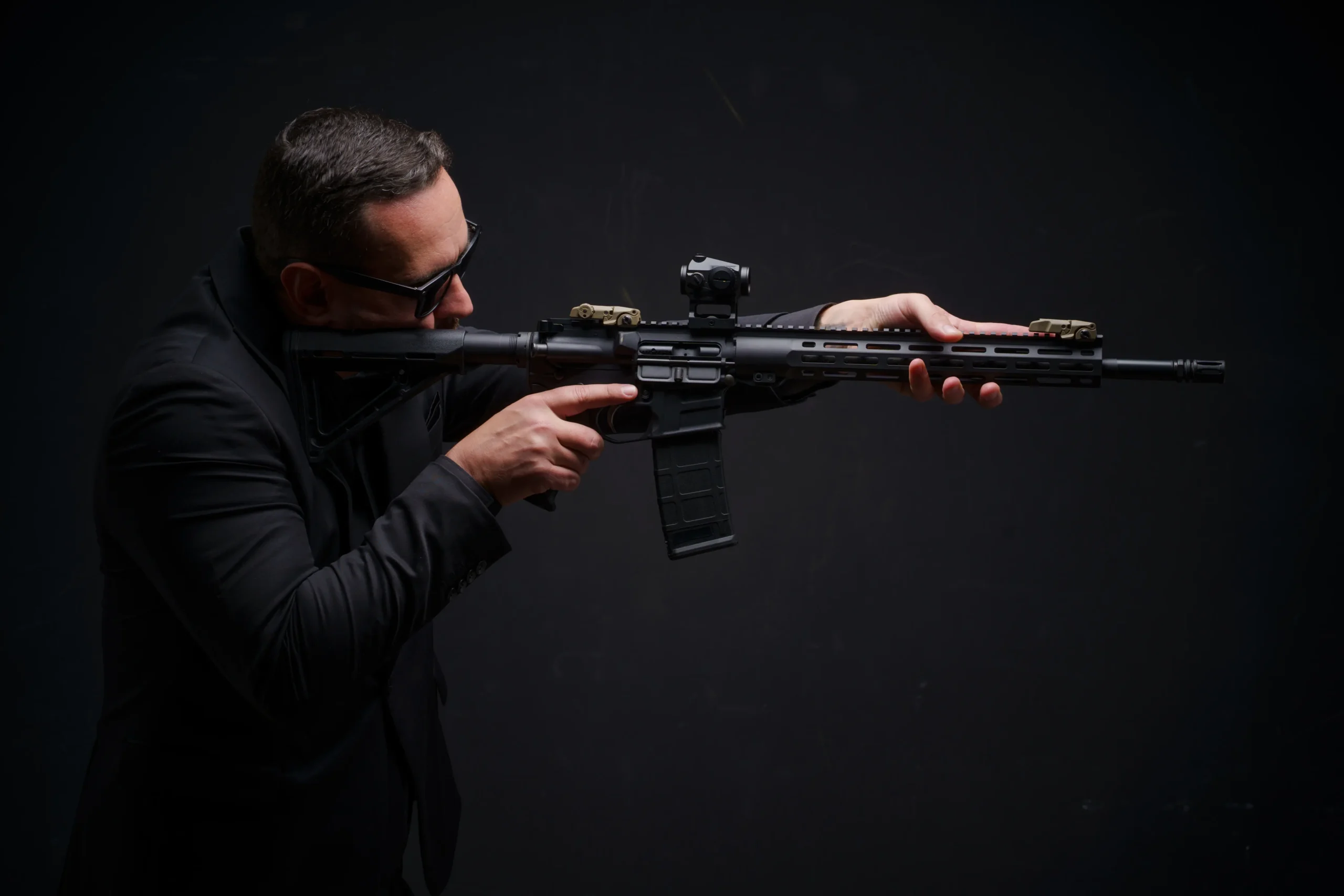
Reflex and red dot sights project an illuminated reticle onto a lens, typically without magnification. They’re built for speed. Your eye naturally finds the dot, and you get fast target acquisition at close to mid range without the need to line up a front and rear sight.
Prism sights use a glass prism to focus and invert the image, offering a compact alternative to traditional scopes. They often include an etched reticle, which means they work even when the battery fails. They’re a strong middle-ground option for AR-style platforms.
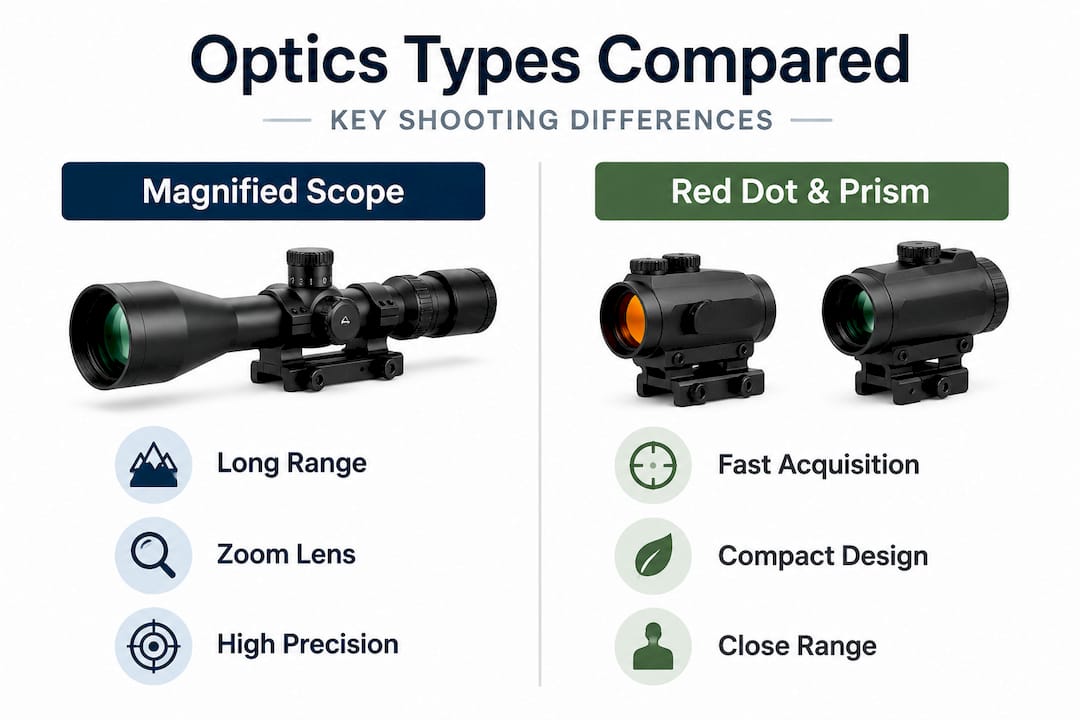
Here’s a quick breakdown to make comparison easier:
| Optic type | Magnification | Best range | Key advantage | Typical use |
|---|---|---|---|---|
| Magnified scope | 1x to 25x+ | 100 to 1000+ yards | Target detail and precision | Hunting, precision rifles |
| Red dot / reflex | 1x (none) | 0 to 100 yards | Speed and both-eyes-open use | Home defense, competition |
| Prism sight | 1x to 5x | 0 to 300 yards | Compact, battery-independent | Carbines, tactical platforms |
| Magnifier combo | 1x to 6x | 0 to 400 yards | Versatility in one setup | Multi-role applications |
What all of these technology and firearm accuracy tools share is a core function: they reduce the variables between you and a repeatable, accurate shot. The right optic removes guesswork from your aiming process. Just as choosing firearm accessories carefully improves overall system performance, selecting the right optic for your platform and shooting style forms the foundation of everything that follows.
Key benefits that all optic types share:
- Consistent aiming reference regardless of shooting position
- Reduced strain on the eye when engaging at distance
- Improved target identification and threat discrimination
- Faster reacquisition between shots
- Better performance in low-light or high-glare environments
How optics boost accuracy: The science explained
Understanding the types of optics is only the start. Next, let’s see exactly how they enhance your shot and what science reveals about their real-world value.
The most direct way optics improve accuracy is through magnification. When you zoom in on a target, you increase what’s called angular resolution, which is your eye’s ability to distinguish fine detail at a given distance. A shooter trying to place a precise shot at 300 yards on iron sights is asking their visual system to do something it isn’t designed for at that scale. An optic bridges that gap.
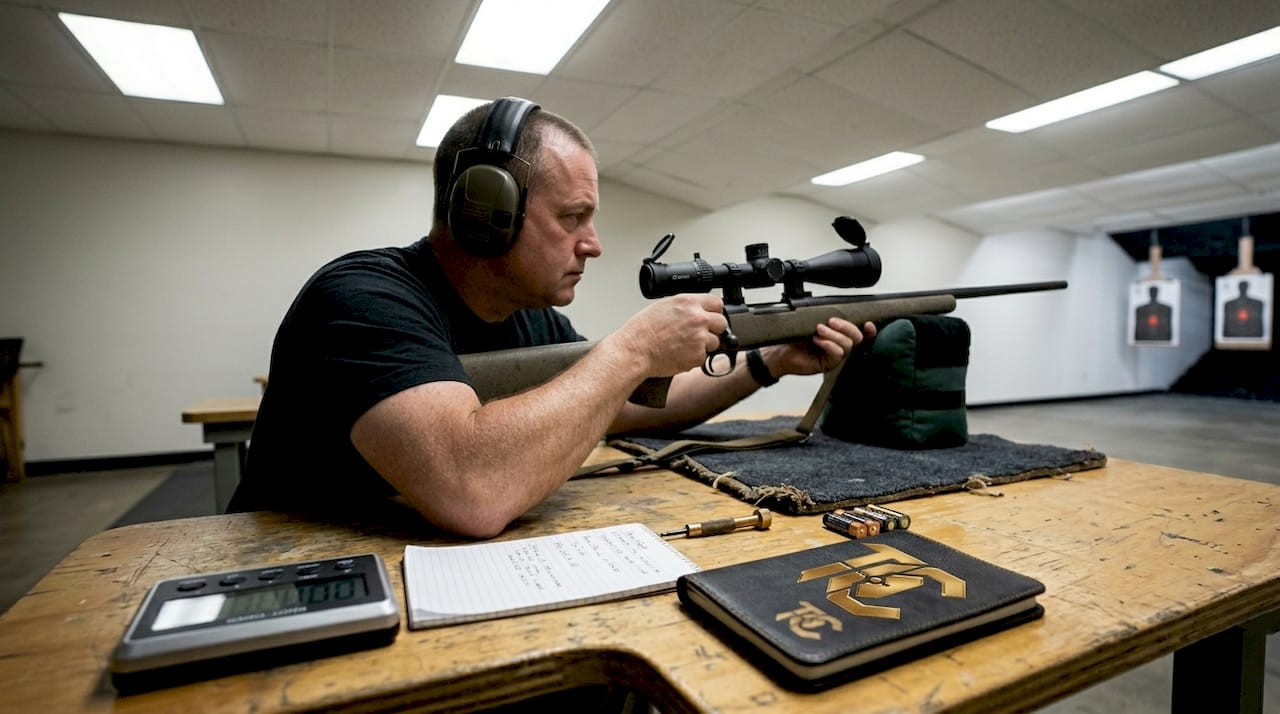
Magnification increases angular resolution but it also reduces field of view, shrinks your eyebox, and amplifies any movement you make. That last point is critical and often misunderstood. At 20x magnification, a slight tremor in your grip becomes clearly visible through the glass. This is why experienced shooters understand that more power isn’t always better for your situation.
Here’s how different aiming systems compare in practical use:
| Aiming system | Accuracy at 25 yards | Accuracy at 100 yards | Speed of acquisition | Best conditions |
|---|---|---|---|---|
| Iron sights | High | Moderate | Fast | Good light, short range |
| Red dot sight | High | High | Very fast | Variable light, CQB |
| Low-power scope (1-6x) | High | Very high | Moderate | Versatile, most conditions |
| High-power scope (10x+) | Moderate | Exceptional | Slow | Daylight, precision work |
Another major factor is parallax error. This is the apparent movement of the reticle relative to the target when your eye shifts position. Lower-quality or improperly adjusted optics introduce parallax, meaning your shot lands differently depending on where your eye sits behind the glass. Quality optics with parallax adjustment let you dial this out at specific distances, locking the reticle on target regardless of minor head movement.
Eye relief, meaning the distance your eye must sit from the rear lens to get a full picture, also plays a big role in comfort and practical accuracy. Too close and you risk scope bite from recoil. Too far and you lose your sight picture. Getting this dialed in, especially on high-recoil platforms, directly impacts how consistently you can shoot.
Pro Tip: Before adding higher magnification, ask yourself what range you’re actually shooting at 80 percent of the time. A 4-12x scope used primarily inside 150 yards will likely serve you worse than a 1-6x that gives you speed up close and enough zoom for moderate distances. Match the glass to your real-world use, not your theoretical maximum range.
Documented test data supports these principles. Shooters transitioning from iron sights to calibrated optics on the same platform show measurable grouping improvements, particularly beyond 100 yards where iron sight limitations become more pronounced. This is consistent with how performance through customization works across the board: the right tool, properly fitted, produces better results.
Reliability and consistency: Do brands and conditions matter?
Once you understand the accuracy edge optics offer, you need to know which options actually deliver that edge session after session, and what role the environment and gear quality play.
The term “holding zero” refers to an optic’s ability to maintain its point of impact after being dropped, subjected to recoil, or exposed to temperature swings and moisture. An optic that drifts off zero between range sessions or after a hard knock in the field is worse than useless. It creates false confidence and costs you shots when it matters most.
Independent testing backs this up clearly. Drop and impact tests show significant brand variance, with Trijicon, Nightforce, and SWFA statistically outperforming the market average in holding zero after repeated drops. Budget optics from lesser-known manufacturers often fail these tests at rates that should give any serious shooter pause.
This isn’t just about dropping your rifle. Real-world conditions beat up your gear in ways a controlled range session won’t. Consider what actually affects optic reliability in the field:
- Mount quality: A premium scope on a flimsy mount will fail. The mount is part of the accuracy system.
- Recoil accumulation: Hundreds of rounds through a hard-recoiling rifle will stress internal optic components over time.
- Temperature extremes: Thermal expansion and contraction affect lens alignment in cheaper glass.
- Moisture and fog: Nitrogen-purged optics resist internal fogging; budget models don’t always include this feature.
- Shooter handling habits: Repeatedly torquing adjustment turrets past their stops, or cranking scope rings unevenly, degrades performance faster than normal use.
When you look at scope durability reviews from real users, a common theme emerges. Shooters who invest in quality glass and quality mounts rarely report zero drift. Those who cut corners on either tend to troubleshoot accuracy problems that come down to equipment, not skill.
“Consistency in optics performance is not just about what you buy; it’s about understanding the entire system, from the mount to the environment to your own habits behind the glass.”
The environmental factors for optics conversation is also worth having with other shooters. Joining a club or engaging with an experienced community means you learn real-world field lessons about gear performance that no spec sheet will tell you.
Advanced considerations: Visual adaptation and user experience
Beyond gear reliability, your own biology and habits determine whether you’re truly getting the most from your optics.
Research published in Scientific Reports found that precision shooters develop superior visual acuity and contrast sensitivity compared to non-shooters. But the same research flagged a genuine risk: covering the non-dominant eye consistently can create binocular imbalance, which is a measurable divergence in how your two eyes work together. Over time, this can affect your vision outside of shooting as well.
Understanding binocular vision basics helps explain why this matters. Your visual system relies on both eyes working in coordination. When you habitually shut one eye during extended shooting sessions, you’re training your brain to suppress input from one side, which creates adaptation problems that can show up in everyday life.
The good news is that this is entirely preventable with structured practice. Follow these steps to train both eyes and protect your visual performance:
- Start with both eyes open: At close range where the target is clearly visible, practice acquiring your red dot or low-power reticle with both eyes open. Your brain will adjust to filtering the sight picture.
- Progress gradually to distance: As targets get farther away, the temptation to close one eye increases. Resist it. Work with a partner to confirm your shots are landing accurately before assuming you need to switch.
- Limit single-eye sessions: If you shoot with a magnified scope at high power, keep sessions under 30 to 40 minutes before giving your non-dominant eye active use again.
- Incorporate dry fire drills: Dry fire practice with both eyes open at home costs nothing and builds the neural habit faster than live fire alone.
- Check in with your vision regularly: If you shoot high volume, an annual eye exam that includes binocular function testing is a smart investment in your long-term performance.
Pro Tip: Both-eyes-open shooting isn’t just about protecting your vision. It dramatically improves your situational awareness during defensive or competition scenarios. You see threats or moving targets in your peripheral field while keeping your reticle on the primary target. It’s a genuine tactical edge, not just a health precaution.
What most shooters miss about optics performance
With all the science and product data available, it’s tempting to treat optics like a simple upgrade equation: better glass equals better shooting. That’s not the full picture, and plenty of shooters find that out the hard way after spending serious money on premium equipment.
The uncomfortable truth is that confident shooters with solid fundamentals routinely outshoot those with superior equipment but weaker basics. An expensive scope on a rifle that isn’t zeroed correctly, mounted without proper torque specs, or paired with a shooter who flinches at the trigger breaks won’t produce match-winning groups. The optic amplifies your technique, for better or worse.
We see this pattern constantly. A shooter comes in frustrated that their new high-end scope isn’t producing the groups they expected. Nine times out of ten, the issue is trigger control, inconsistent cheek weld, or a mount that was installed by feel rather than with a torque wrench. The optic is doing its job. The system around it isn’t.
The other mistake is obsessing over magnification numbers while ignoring fit and ergonomics. A scope that doesn’t fit your eye relief preferences, or that forces you into an awkward shooting position to get a clear sight picture, will degrade your performance relative to a less powerful optic that you can mount and use comfortably. Think of it like a well-fitted holster versus a technically superior one that sits wrong on your body. The gear you can use consistently beats the gear that looks better on paper.
Consistent practice with a given optic builds the muscle memory and visual familiarity that turns good equipment into great performance. Before chasing accessory optimization upgrades, put serious repetitions behind what you already own. You may find your current setup has more to give than you thought.
Enhance your setup: Quality optics and firearms from the experts
Armed with a deeper understanding of optics, the next step is putting that knowledge to work in your own setup. Selecting the right glass is only part of the process. Proper mounting, zeroing, and adapting your technique to match your optic are what turn a good purchase into a genuine accuracy upgrade.
At Tungsten Creek Tactical, we stock a carefully selected range of optics and accessories built for shooters who take performance seriously. Whether you’re looking for a first quality scope or upgrading a platform you’ve run for years, our team can help you make an informed choice. For shooters who want a fully tuned solution, our custom precision guns service matches the right optics and hardware to your specific shooting goals. Browse our full optics and accessories shop to find what fits your build, your budget, and your mission.
Frequently asked questions
What are the main advantages of using optics over iron sights?
Optics align your eye with the bore, magnify targets for clearer resolution, and maintain consistent aim across different shooting positions and environmental conditions, giving you a measurable edge over iron sights at most distances.
How do I choose the right optics for my shooting needs?
Assess your typical shooting distances and environments first, then decide whether you prioritize speed of acquisition at close range or fine detail at long range before selecting magnification range and optic type.
What does “holding zero” mean and why is it important?
Holding zero is an optic’s ability to keep its point of aim after impacts, recoil, or environmental changes. Independent drop tests show that premium brands like Trijicon, Nightforce, and SWFA significantly outperform average-market options in this area.
Can using optics cause eye fatigue or vision problems?
Precision shooters risk binocular imbalance from consistently covering the non-dominant eye, but training with both eyes open and limiting extended single-eye sessions effectively reduces this risk.
Does brand really matter when picking a rifle scope?
Yes. Brand variance in drop tests is statistically significant, and higher-tier manufacturers consistently outperform budget alternatives in maintaining zero after impact, making brand selection a genuine accuracy and reliability decision.
Recommended
Related Post

Discover the 5 ways
An introduction to Tactical Luxury Guns & Coffee We founded
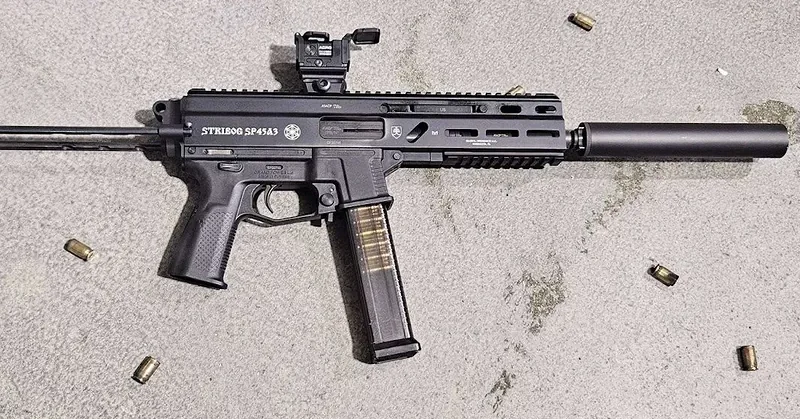
Top 5 Best PCC’s
In 2026, the Pistol Caliber Carbine (PCC) market is no