
What Is Custom Gunsmithing: a Firearm Owner’s Guide
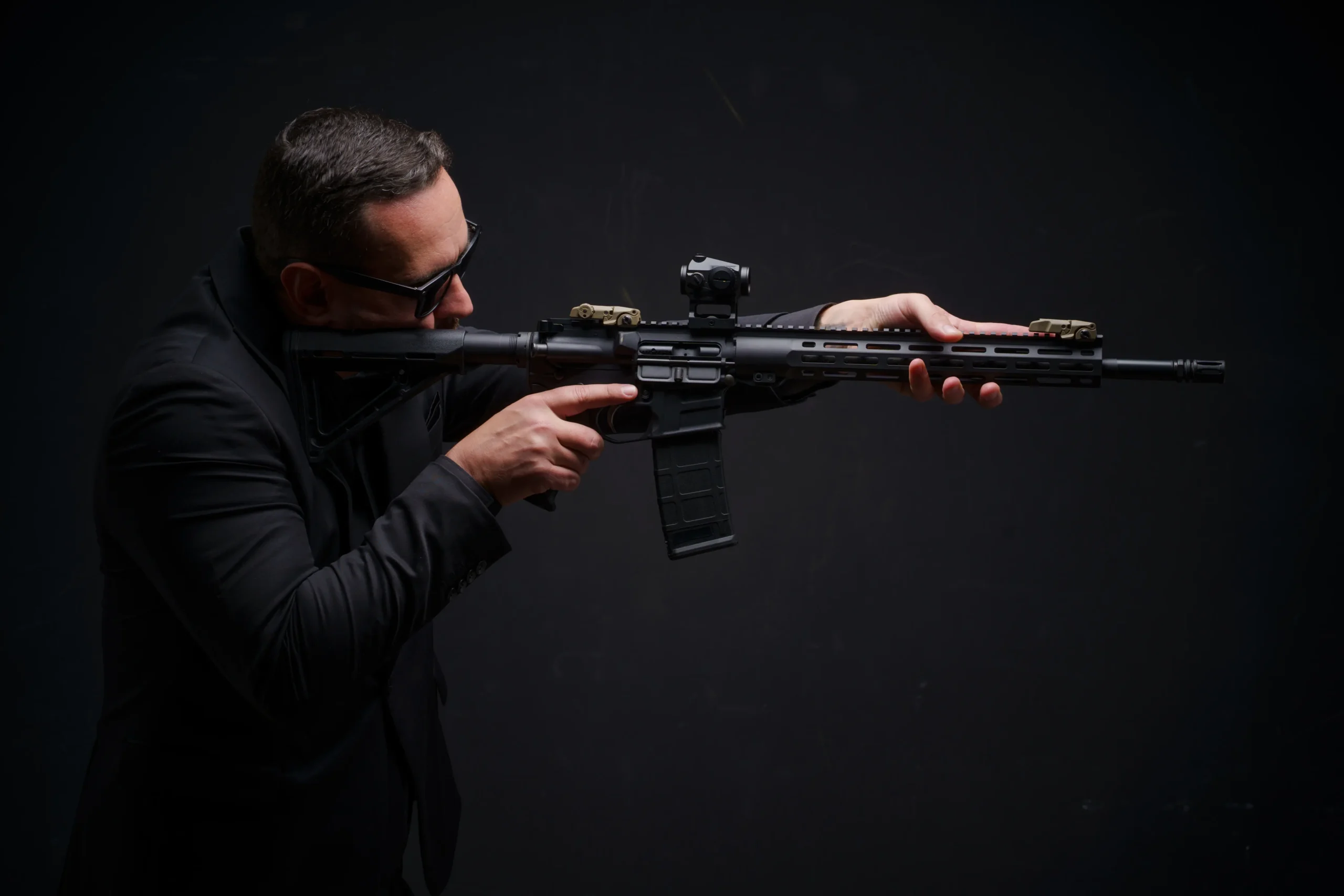
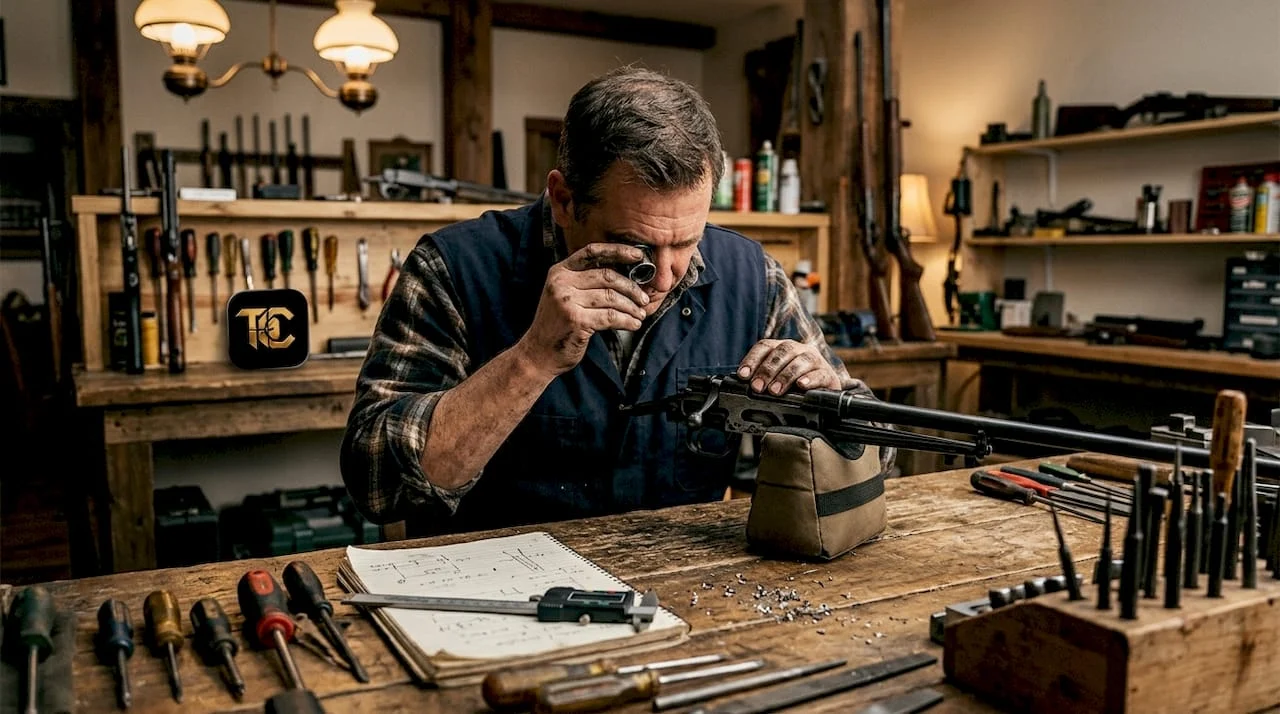
Most firearm owners assume gunsmithing means fixing what’s broken. A spring gets replaced, a barrel gets cleaned, and the job is done. Custom gunsmithing is a different discipline entirely. It’s the art and science of taking a firearm and rebuilding it around you. Understanding what is custom gunsmithing means recognizing that your rifle, pistol, or shotgun can be transformed to match your grip, your shooting style, your performance standards, and even your aesthetic sensibility. This guide covers what it is, how it works, and why it matters if you care about getting the most from your firearms.
Table of Contents
- Key takeaways
- What is custom gunsmithing and how it differs from standard work
- The benefits of custom gunsmithing for firearm owners
- How custom gunsmithing works: common techniques and processes
- Choosing a custom gunsmith and what to expect
- The future of custom gunsmithing
- My honest take on custom gunsmithing
- Explore custom gunsmithing at Tungsten Creek Tactical
- FAQ
Key takeaways
| Point | Details |
|---|---|
| Custom gunsmithing is bespoke work | It goes beyond repairs to tailor firearm fit, function, and finish to individual shooter needs. |
| Skill depth separates it from basic repairs | Master-level work requires mechanical, machining, and sometimes woodworking expertise built over years. |
| Benefits are practical, not just cosmetic | Improved accuracy, reliability, safety, and longevity are real outcomes, not just aesthetic upgrades. |
| Choosing the right gunsmith matters | Verify qualifications, ask specific questions, and clarify timelines before commissioning any work. |
| The trade is growing, not shrinking | Rising enrollment in training programs and resistance to automation make this a durable skilled trade. |
What is custom gunsmithing and how it differs from standard work
Standard gunsmithing keeps your firearm functional. A standard gunsmith replaces worn parts, addresses malfunctions, and performs routine maintenance. Custom gunsmithing does something more specific. It treats your firearm as a starting point rather than a finished product.
A custom gunsmith repairs, modifies, designs, and sometimes builds firearms tailored to customer specifications. That definition from HandWiki captures it well: gunsmiths perform factory-level repairs and customization including metalwork and woodwork, often hand fitting individual parts themselves. The difference between swapping a trigger group from a catalog and fitting a custom trigger by hand is the difference between a mechanic and a craftsman.
To do this well, a gunsmith needs a rare combination of skills. Think mechanical diagnostics, precision machining, metallurgy, and in some cases woodworking for stock work. Experts agree that true master-level customization is built on solid mechanical and machining foundations before any artistic or performance work begins. You don’t get to engrave a receiver beautifully if you don’t understand how the action cycles under pressure.
Common examples of custom firearm modifications include:
- Trigger jobs: Reducing pull weight, adjusting reset distance, and eliminating creep for cleaner, more consistent shots
- Barrel fitting and threading: Installing a custom or match-grade barrel with the right headspace and crown geometry
- Stock and grip work: Reshaping, inletting, or replacing stocks for proper length of pull and cheek weld
- Sight upgrades: Installing suppressor-height sights, fiber optics, or custom rear/front sight combinations
- Custom finishes: Applying protective and aesthetic coatings to metal and wood surfaces
- Action tuning: Smoothing, polishing, or tightening the action for improved cycling and reliability
Pro Tip: Before requesting any modification, shoot your firearm in its stock configuration for at least 500 rounds. You’ll know what actually bothers you versus what you think bothers you, and that clarity makes the conversation with a gunsmith far more productive.
The benefits of custom gunsmithing for firearm owners
The word “custom” can sound purely cosmetic, like buying a fancy holster or a different grip texture. The real benefits of custom gunsmithing run much deeper than aesthetics.
The most immediate gain is fit. Custom modifications adapt sporting guns to better fit the shooter’s needs, improving accuracy and usability in ways that factory configurations rarely achieve. A stock built for the average shooter may be too long for a shorter shooter or too straight for someone with a high cheekbone. When the gun fits you, your fundamentals improve naturally because you’re not compensating for poor ergonomics every time you shoulder it.
The performance benefits compound quickly:
- Accuracy gains: A properly fitted trigger with a clean break reduces flinch anticipation and shot-to-shot variation
- Reliability improvements: Custom fitting eliminates the slight tolerances that cause feeding and ejection issues in factory builds
- Safety enhancements: A gunsmith who understands component interaction and tolerances catches latent safety issues before they become field problems
- Longevity: Expert fitting and finishing protect surfaces from corrosion and wear far better than factory finishes in most cases
- Resale value: High quality custom work by a recognized gunsmith often adds measurable value to a firearm
Think of a well-executed trigger job the way you’d think of a properly tuned instrument. The fundamental machine hasn’t changed. The user’s ability to connect with it has changed completely. Custom gunsmithing creates that connection between shooter and firearm.
How custom gunsmithing works: common techniques and processes
Understanding how custom gunsmithing works demystifies why it costs more than standard service and why the results are worth it. It’s not magic. It’s method.
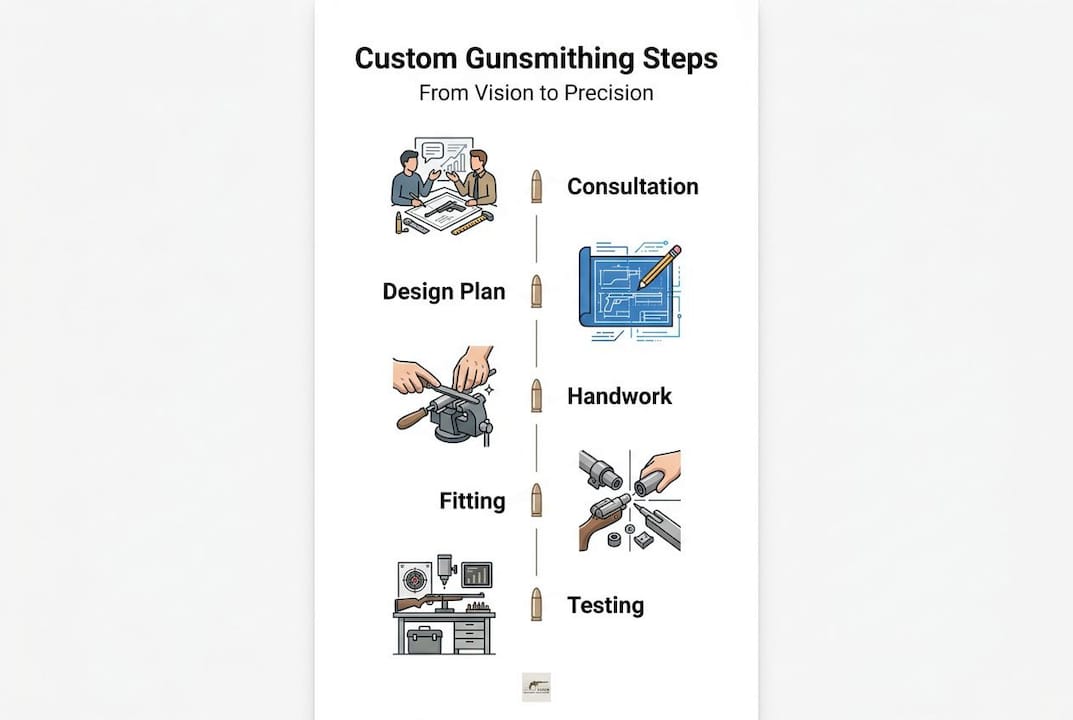
Here’s how a typical custom project moves from consultation to completion:
- Diagnostic consultation: The gunsmith examines the firearm, asks about your shooting discipline, physical dimensions, and specific goals. This isn’t a parts order. It’s a design conversation.
- Mechanical assessment: The action, barrel, trigger group, and stock are checked for wear, tolerances, and any issues that need to be resolved before modifications begin.
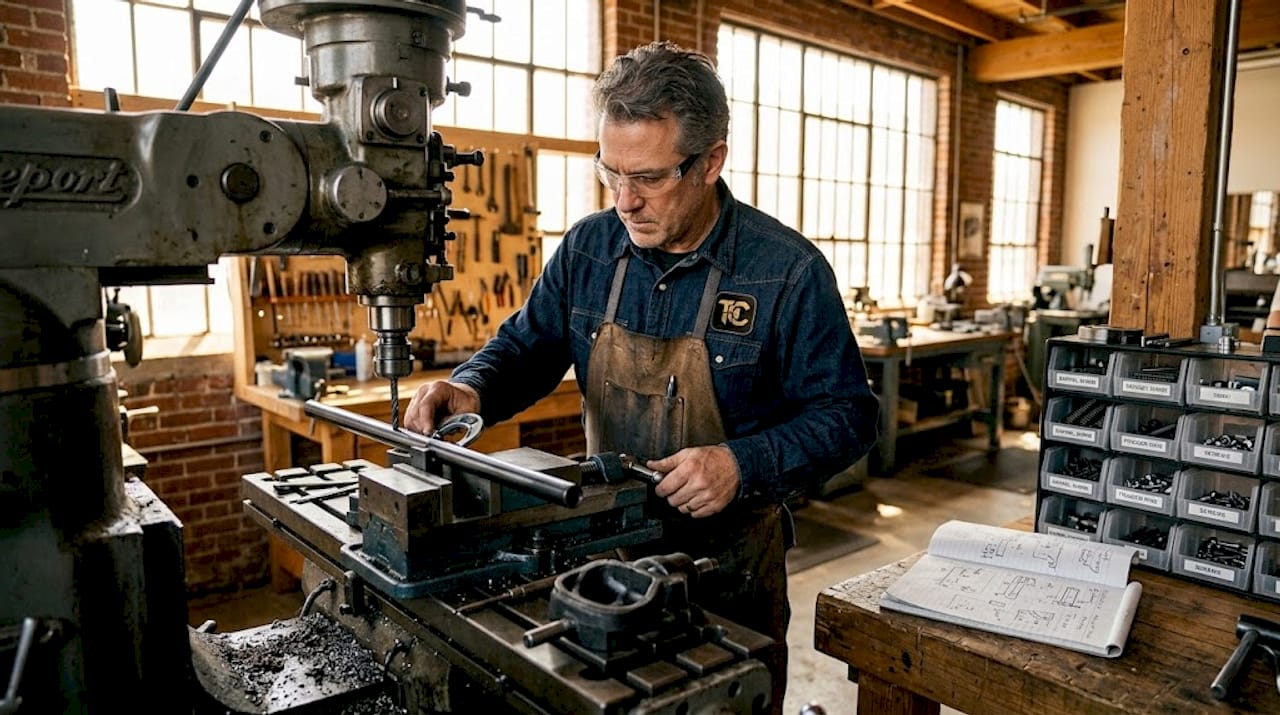
- Machining and fitting: Lathes and milling machines rough out parts to dimension. But as HandWiki notes, most fitting and finishing is done by hand using files, scrapers, and carving tools. Machine work gets you close. Handwork gets you there.
- Trigger work: Pull weight is measured, sear geometry is adjusted, and the result is tested repeatedly for consistency and safety before it leaves the bench.
- Surface finishing: This is where Cerakote and similar coatings come in. Cerakote offers durable, corrosion-resistant protection in a wide range of colors, making it the preferred finish for both function and personalization. Engraving and inlay work happens at this stage as well.
- Function testing: The modified firearm is cycled, dry fired, and sometimes taken to the range before being returned to the customer.
Pro Tip: Ask your gunsmith to document the before and after measurements for any trigger or headspace work. Good documentation tells you exactly what was done and gives you a baseline for future service.
The balance between machine work and handwork is what separates a skilled custom gunsmith from a parts installer. When you explore firearm customization ideas for performance and style, you start to see how many of the most impactful modifications happen at the bench rather than in the catalog.
Choosing a custom gunsmith and what to expect
Finding a good gunsmith is like finding a good tailor. Credentials matter, but so does the conversation. A gunsmith who listens carefully, explains trade-offs honestly, and shows you examples of past work is worth more than a long list of certifications with poor communication.
Before you commission any custom work, here are the questions worth asking:
- What formal training or apprenticeship do you have? Look for graduates of recognized programs or gunsmiths with documented mentorship under a master craftsman.
- Can I see examples of similar work? A trigger job portfolio looks different from an engraving portfolio. Make sure you’re looking at work that matches your project.
- What are the realistic timelines? Custom work takes time. A gunsmith who promises a two-week turnaround on a full custom build is either very well staffed or underestimating the job.
- What is your pricing structure? Reputable gunsmiths are transparent about labor rates, parts costs, and what’s included in a quoted price.
- What happens if something doesn’t meet expectations? Understanding the revision or satisfaction policy before you commit protects both parties.
Clients should ask about skills, timelines, costs, and past work before commissioning custom modifications. That guidance from the Sonoran Desert Institute is straightforward but frequently ignored by enthusiastic buyers who jump at the first available appointment. A clear, documented agreement about scope and deliverables prevents the most common disappointments.
When searching for gunsmithing services near you, pay attention to shop reputation within your local shooting community. Word of mouth from other serious shooters tells you more than online reviews in most cases.
The future of custom gunsmithing
There is a real and growing conversation about which trades are vulnerable to automation and which ones are not. Custom gunsmithing sits firmly in the protected column. Jarred McNeely of Sonoran Desert Institute explains that the trade thrives on bespoke troubleshooting that binary machines find difficult to master. No two custom projects are identical, and the diagnostic reasoning required to address a specific shooter’s specific firearm with specific goals is exactly the kind of tacit knowledge that automation cannot replicate reliably.
The numbers support that outlook. Enrollment at gunsmith training programs is increasing as both younger adults and career changers pursue the trade, helping offset the retirements of experienced craftsmen. Demand for skilled, bespoke craftsmanship continues to rise as firearm owners become more knowledgeable and more intentional about their equipment.
This mirrors what has happened in other craft disciplines. Just as sword making became a sacred craft across cultures precisely because it required irreplaceable human judgment, custom gunsmithing maintains its value through complexity, individuality, and the kind of skill that only accumulates through years of hands-on practice.
“The future of custom gunsmithing is not in competition with machines. It’s in the space machines cannot enter: the space between a shooter’s individual needs and the firearm that serves them.”
If you’ve ever considered the craft as a career or as a deeper passion alongside firearm ownership, the timing is genuinely favorable.
My honest take on custom gunsmithing
I’ve seen what happens when a shooter finally gets a firearm properly fitted to them. The change isn’t subtle. It’s the kind of shift that makes you question why you waited so long. What I’ve learned from watching custom work done well is that most enthusiasts underestimate how much factory tolerance stacks up against them. The standard pistol grip is too thick. The trigger reach is slightly long. The stock pitch is wrong. None of these issues are catastrophic on their own, but together they create a shooter who is constantly compensating rather than executing.
What I’ve also observed is that the best gunsmiths are the ones who talk you out of modifications as often as they talk you into them. A master craftsman who tells you your trigger doesn’t need a job yet is giving you more honest service than one who quotes the full package every time. That kind of integrity is rare. When you find it, protect that relationship.
My take on choosing a gunsmith is this: prioritize communication over portfolio size. A craftsman who can explain what they’re doing, why they’re doing it, and what outcome to realistically expect is more valuable than one with impressive work that they can’t describe in plain terms. Craftsmanship matters. So does why it sets firearms apart in terms of precision and long-term value. Find someone who understands both.
— Brian
Explore custom gunsmithing at Tungsten Creek Tactical
If this article has clarified what custom gunsmithing can do for your firearm and for you as a shooter, the next step is a conversation with people who take the craft seriously.

Tungstencreektactical offers custom gun services built around precision, transparency, and genuine collaboration with the shooter. From trigger work and barrel fitting to Cerakote finishing and full custom builds, the team approaches every project with the same standard: your firearm should perform better and fit better when it leaves the shop than when it arrived. You can also explore firearm upgrade options to understand what modifications make the most impact for your specific use case before you book your consultation. Reach out directly to discuss your project and get a clear picture of timeline, cost, and what’s possible.
FAQ
What is custom gunsmithing in simple terms?
Custom gunsmithing is the process of modifying, fitting, and finishing a firearm to meet a specific shooter’s individual needs, goals, and preferences. It goes well beyond basic repair to include trigger work, barrel fitting, stock shaping, and custom finishes.
How does custom gunsmithing differ from standard gunsmithing?
Standard gunsmithing addresses malfunctions and replaces worn parts to restore a firearm to factory condition. Custom gunsmithing transforms a firearm beyond factory specs to improve fit, performance, and personalization for a specific shooter.
What are the real benefits of custom gunsmithing?
The benefits include improved accuracy, better ergonomic fit, enhanced reliability, and protection through specialized finishes. Custom work tailored to the individual shooter produces measurable performance gains that factory configurations rarely achieve.
How long does a custom gunsmithing project take?
Timelines vary by complexity. A trigger job may take days, while a full custom build can take several months. Asking your gunsmith for a realistic timeline upfront and getting it in writing is always the right move.
Is custom gunsmithing worth the cost for average firearm owners?
For any shooter who spends serious time at the range or relies on a firearm for defense or competition, custom gunsmithing delivers genuine returns. Even modest modifications like a quality trigger job can produce improvements that immediately translate to better performance and greater confidence.
Recommended
Related Post

Discover the 5 ways
An introduction to Tactical Luxury Guns & Coffee We founded
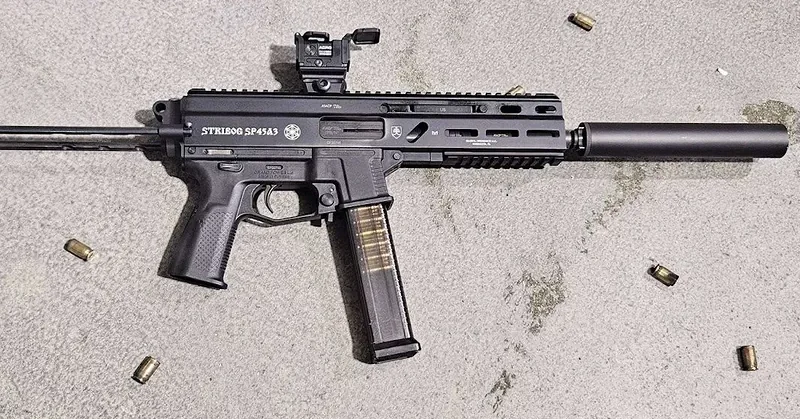
Top 5 Best PCC’s
In 2026, the Pistol Caliber Carbine (PCC) market is no