Gun Holster Types: Examples Every Carrier Should Know
A gun holster is a firearm retention device designed to secure your pistol while keeping it accessible for a fast, controlled draw. The best examples of gun holsters balance concealability, comfort, and retention to match your specific carry style and body type. Inside the Waistband (IWB), Outside the Waistband (OWB), and Appendix Inside the Waistband (AIWB) are the three most common carry positions, each with distinct tradeoffs. Choosing the wrong holster style is one of the most common mistakes new carriers make. Getting this decision right from the start saves you time, money, and frustration on the range and in daily life.
1. Inside the Waistband (IWB) holsters
IWB holsters are the dominant choice for concealed carry, sitting between your waistband and body to minimize printing. Most carriers position them between the 3 o’clock and 5 o’clock positions on the hip, though personal preference and body shape play a major role. The design keeps the firearm close to the body, which is why this category leads concealed carry adoption across the United States.
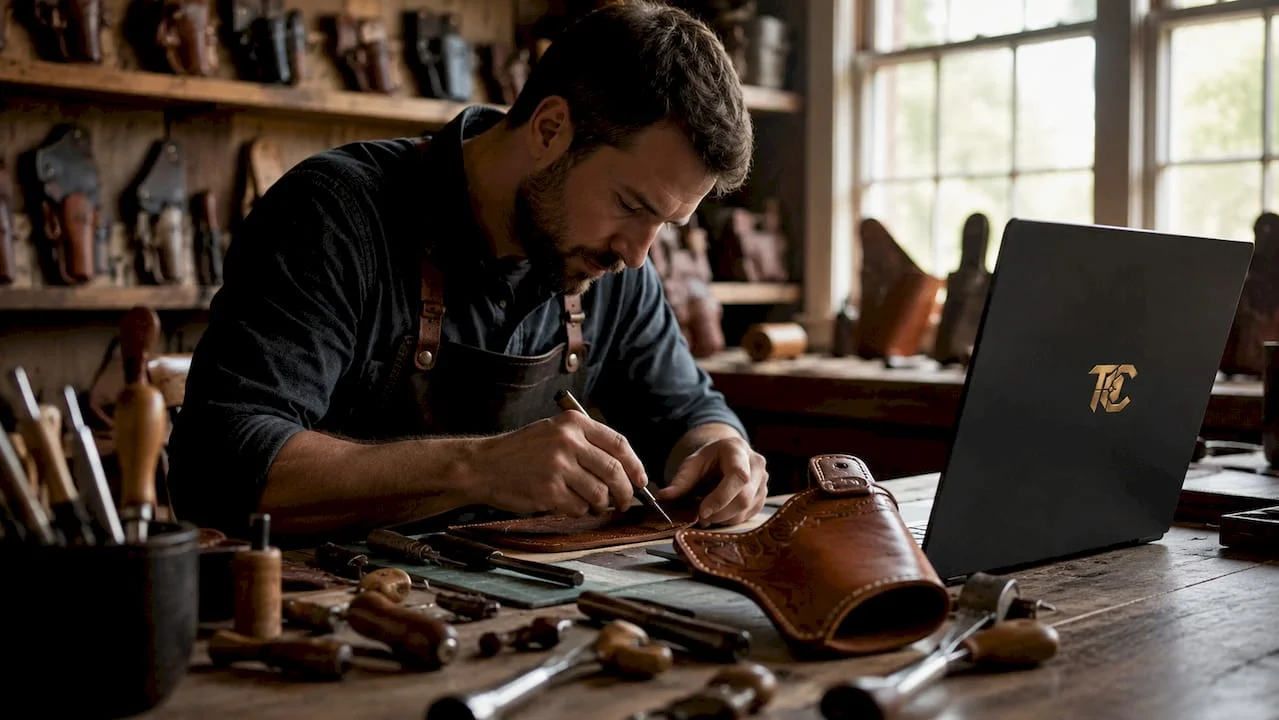
Two primary subtypes define the IWB category: minimalist single-clip designs and modular multi-clip systems. Minimalist rigs use a single clip and minimal material to reduce bulk, while modular systems offer adjustable cant, ride height, and multiple attachment points for versatility. Kydex is the most popular material for IWB shells because it holds its shape, resists moisture, and provides consistent retention. Leather IWB holsters mold to the body over time, offering a softer feel but requiring a break-in period.
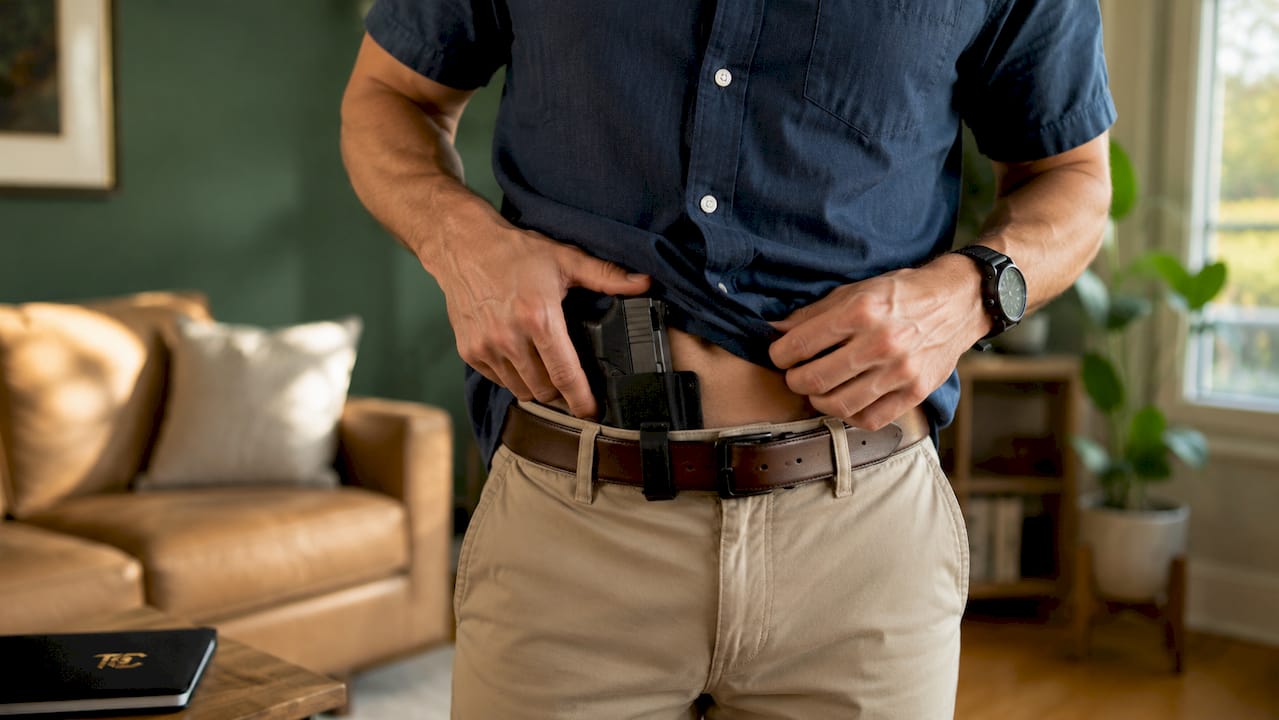
Field testing shows draw-to-fire times range from 1.07 seconds on minimalist rigs to 1.32 seconds on modular systems. That quarter-second gap matters in a defensive situation, which is why many experienced carriers favor simpler designs for everyday carry. Comfort is the other major variable. A holster that digs into your hip after two hours will end up in a drawer, not on your belt.
Key factors to evaluate in an IWB holster:
- Cant angle: The forward or backward tilt of the holster affects draw speed and comfort.
- Ride height: How deep the gun sits in the waistband changes concealment and access.
- Clip type: Single-clip designs are lighter; dual-clip designs are more stable under a cover garment.
- Sweat guard: A backing that separates the gun from your skin prevents corrosion and improves comfort.
- Retention adjustment: A set screw lets you dial in the exact amount of resistance on the draw.
Pro Tip: Adjust your cant angle by 5-degree increments during a full day of wear before settling on a final position. Small changes make a significant difference in both comfort and draw speed.
Concealability and comfort often inversely correlate, which means finding your ideal setup requires real-world experimentation, not just range testing. Pair your IWB holster selection with a solid understanding of your concealed carry pistol to get the best result.
2. Outside the Waistband (OWB) holsters
OWB holsters attach to the outside of your belt, positioning the firearm against your hip rather than inside the waistband. This design delivers the highest comfort level of any belt-carried holster style, making it the preferred choice for range days, open carry, and duty use. OWB holsters provide the highest comfort but the lowest concealability without a cover garment.
The attachment methods vary across OWB designs. Paddle attachments slide over the waistband without threading through belt loops, making them easy to put on and take off. Belt loop and Picatinny rail mounts offer more stability for duty or tactical use. Thumb break retention straps and rotating hood mechanisms add active retention for open carry environments where firearm security is a priority.
OWB holsters work best for:
- Range training: Full-size pistols sit comfortably and draw cleanly without clothing interference.
- Open carry: Active retention mechanisms keep the firearm secure in public environments.
- Larger firearms: Full-size and duty pistols that print heavily in IWB rigs carry naturally in OWB designs.
- Cover garment carry: A jacket or untucked shirt can conceal an OWB holster effectively for casual use.
The main limitation of OWB carry is printing. Without a cover garment, the firearm is visible, which limits this style in states with strict concealed carry requirements. Kydex OWB shells offer the best retention and weather resistance, while leather pancake holsters provide a lower-profile fit against the body. Selecting the right tactical accessories alongside your OWB rig rounds out a complete carry system.
3. Appendix and alternative carry holster examples
Appendix Inside the Waistband (AIWB)
AIWB holsters position the firearm at the front of the waistband, typically between the 12 o’clock and 1:30 positions. This placement offers fast draw access and strong concealment under a t-shirt. The tradeoff is muzzle direction. The barrel points toward the femoral artery and groin during carry, which makes trigger guard security the single most critical safety feature in any AIWB design. Never use an AIWB holster without a full-coverage trigger guard.
Pro Tip: When holstering in AIWB, look the gun into the holster rather than doing it by feel. This visual confirmation prevents clothing from entering the trigger guard.
Shoulder holsters
Shoulder holsters suspend the firearm under the non-dominant arm using a harness system across the shoulders and back. They work well for seated carry, driving, and situations where belt carry is impractical. Law enforcement and investigators have used shoulder rigs for decades because they allow access while seated without adjusting clothing. The draw requires a cross-body motion, which takes more practice to execute cleanly than a hip draw.
Ankle holsters
Ankle holsters are slower on the draw but serve well as backup gun platforms, particularly when seated or in a vehicle. A compact or subcompact pistol rides on the inside of the non-dominant ankle, concealed under a pant leg. The draw requires bending or kneeling, which limits their use as a primary carry method. For law enforcement or anyone who spends significant time seated, ankle carry fills a real tactical gap.
Pocket holsters
Pocket holsters protect the trigger guard and break up the outline of the firearm inside a pocket. They work best with micro-compact pistols in front pants pockets or cargo pockets. The holster stays in the pocket on the draw, leaving only the firearm in your hand. Without a pocket holster, a loose pistol in a pocket is a safety hazard and prints obviously.
Belly band holsters
Belly band holsters use an elastic band worn around the midsection to hold the firearm against the body. They work without a belt, making them ideal for athletic wear, casual clothing, or situations where a traditional waistband carry is not practical. The elastic material is less rigid than Kydex or leather, so retention depends on the band’s tension and the firearm’s fit. Pair belly band carry with shooting drills that simulate drawing from non-standard positions.
4. Material and retention features in holsters
Holster material determines comfort, durability, and how well the holster maintains its shape over time. Kydex offers rigid retention and durability, leather provides comfort and molds over time, and hybrid designs combine both. Each material suits a different carry priority.
| Material | Retention | Comfort | Durability | Best Use |
|---|---|---|---|---|
| Kydex | High, consistent | Firm, less forgiving | Excellent | Everyday carry, range |
| Leather | Moderate, improves with use | High after break-in | Good with care | Traditional carry, OWB |
| Hybrid (Kydex shell + leather backing) | High | High | Very good | IWB everyday carry |
| Nylon/Fabric | Low to moderate | High | Moderate | Casual or budget carry |
Retention mechanisms include adjustable straps, friction locks, and passive or active designs that balance draw speed with security. Passive retention relies on friction and holster fit to hold the firearm. Active retention adds a mechanical lock, thumb break, or rotating hood that requires a deliberate motion to release. Duty and open carry situations call for active retention. Concealed carry typically uses passive retention for faster access.
The retention level you choose affects draw speed directly. A holster with high active retention takes longer to draw from but resists disarming attempts. A minimalist passive retention holster draws faster but requires a secure carry position to prevent the firearm from shifting. Match your retention choice to your environment and threat assessment, not just your preference for speed.
Key takeaways
The most effective holster choice combines the right carry position, material, and retention level for your specific body type, lifestyle, and firearm.
| Point | Details |
|---|---|
| IWB leads concealed carry | Minimalist IWB rigs deliver draw times as fast as 1.07 seconds, making them the top choice for daily concealed carry. |
| OWB maximizes comfort | OWB holsters suit range use, open carry, and larger firearms where concealability is less critical. |
| AIWB requires trigger guard priority | Full trigger guard coverage is non-negotiable in appendix carry due to muzzle direction toward the body. |
| Material shapes performance | Kydex holds shape and retention; leather molds for comfort; hybrid designs balance both for IWB use. |
| Retention must match context | Active retention suits open carry and duty use; passive retention suits concealed carry for faster access. |
What I’ve learned after years of testing holsters
Most carriers buy two or three holsters before finding the one they actually wear every day. That pattern is not a failure. It reflects how personal holster fit really is. Body shape, clothing habits, and daily activity all change what works. A holster that rides perfectly on a lean frame at 4 o’clock may dig into the hip of someone with a different build at the same position.
The field testing standard used by professional reviewers, 30 to 60 days of continuous carry, exists for a reason. You cannot evaluate a holster in a single range session. Comfort problems, retention wear, and clip stability only show up after weeks of real use. I have seen carriers dismiss a holster after one afternoon, then regret it when they realize the replacement has worse problems.
Body type, clothing, and lifestyle are the three variables that matter most in holster selection. The best holster on the market is useless if you stop wearing it because it is uncomfortable. Start with your carry position, then select material, then dial in retention. That sequence produces better results than starting with a brand or price point. Commit to a step-by-step carry approach and treat holster selection as an ongoing process, not a one-time purchase.
— Brian
Tungstencreektactical: gear built around how you actually carry
Choosing the right holster starts with knowing your firearm inside and out. Tungstencreektactical builds custom guns precision-fitted to your carry requirements, so your holster and firearm work as a matched system rather than two separate decisions.

Tungstencreektactical also carries a curated selection of tactical accessories designed to complement your carry setup, from belt systems to optics-ready pistols. Whether you are building a new everyday carry rig or upgrading an existing setup, the team at Tungstencreektactical brings the same standard to gear selection that a good holster brings to carry: reliable, practical, and built for real use. Visit Tungstencreektactical to match your firearm to the right carry system.
FAQ
What are the most common examples of gun holsters?
The most common holster types are IWB, OWB, AIWB, shoulder, ankle, pocket, and belly band holsters. Each suits a different carry position, body type, and use case.
Which holster style is best for concealed carry?
IWB holsters are the most popular choice for concealed carry because they keep the firearm close to the body and minimize printing under a cover garment.
Is appendix carry safe?
Appendix carry is safe when the holster provides full trigger guard coverage and the carrier follows consistent holstering discipline. The muzzle direction toward the body makes trigger guard security the top priority.
What holster material lasts the longest?
Kydex holsters offer the best long-term durability because the material resists moisture, holds its shape, and maintains consistent retention without a break-in period.
How long should I test a holster before deciding if it works?
Professional testers use a 30 to 60-day field evaluation to assess comfort, retention, and durability. A single range session is not enough to judge real-world performance.
Recommended
Related Post
Discover the 5 ways
An introduction to Tactical Luxury Guns & Coffee We founded
Top 5 Best PCC’s
In 2026, the Pistol Caliber Carbine (PCC) market is no