
What Is the Purpose of Gun Safes: 2026 Guide
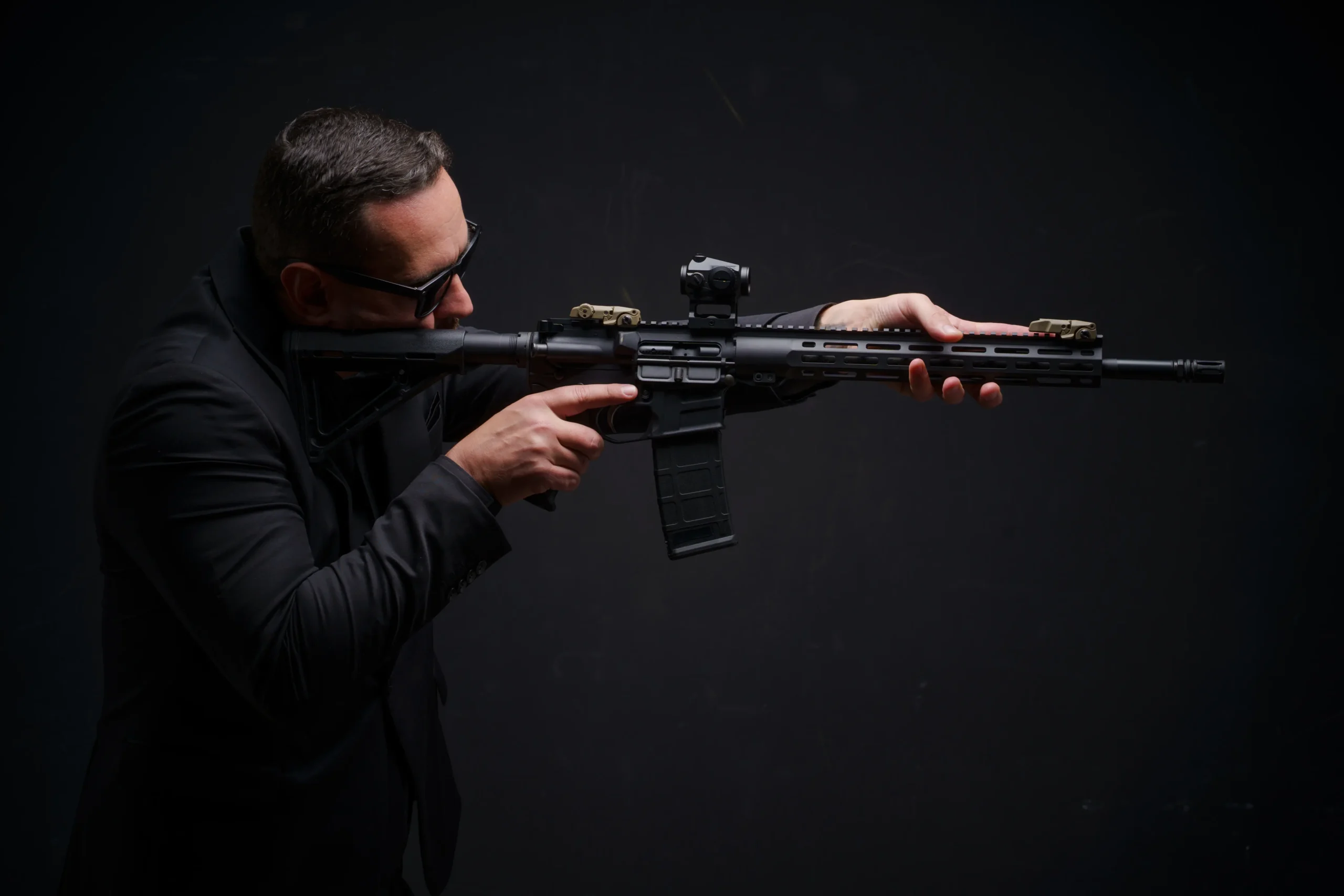
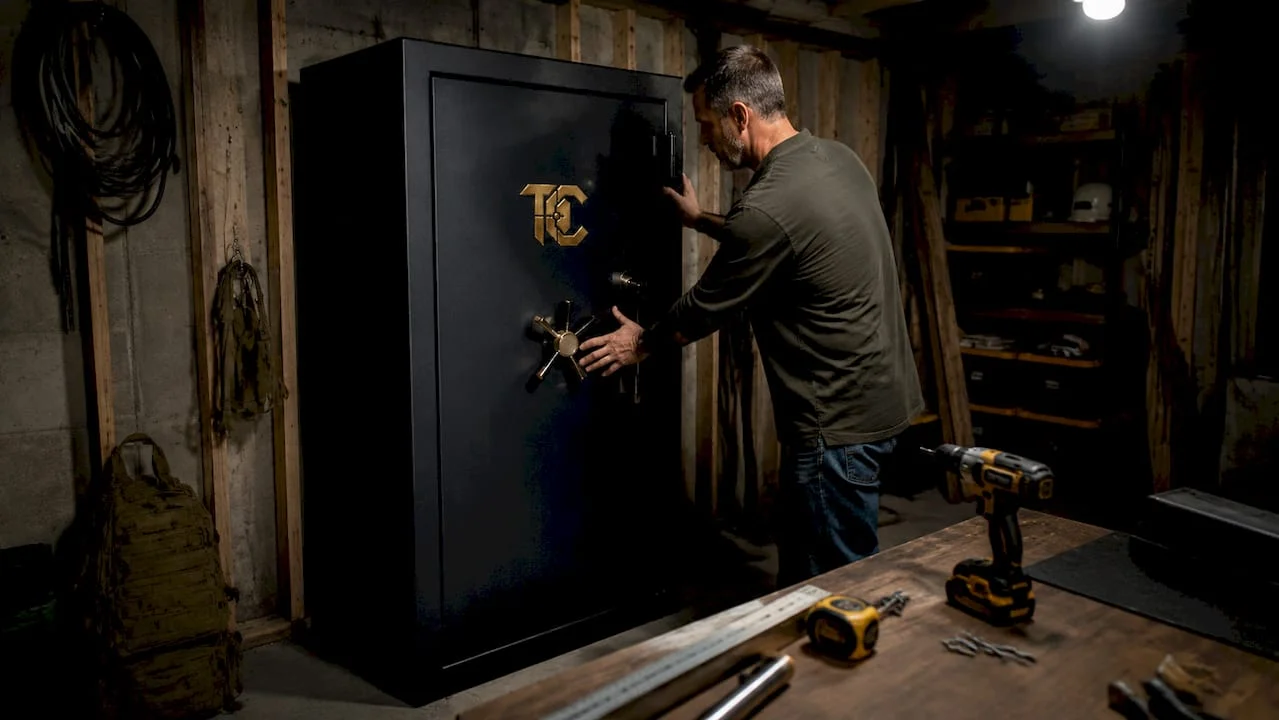
A gun safe is a secure steel container designed to prevent unauthorized access to firearms, protecting children, household members, and property from accidental or intentional misuse. Understanding the purpose of gun safes goes well beyond simple storage. A quality safe addresses theft deterrence, fire protection, legal compliance, and insurance benefits all at once. Brands like Liberty Safe, Fort Knox, and Browning Pro Series have built entire product lines around these layered goals. Whether you own one handgun or a full rifle collection, the importance of gun storage cannot be overstated for any responsible firearm owner.
What is the purpose of gun safes for home safety?
Gun safes exist primarily to control who can access a loaded firearm at any given moment. That single function prevents a wide range of tragedies, from curious children to opportunistic thieves. According to Johns Hopkins research, locked, unloaded storage directly reduces youth suicide risk by interrupting access pathways before an impulsive moment becomes irreversible. The stat carries weight: 90% of suicide attempts with firearms are fatal, making prevention the only realistic strategy.
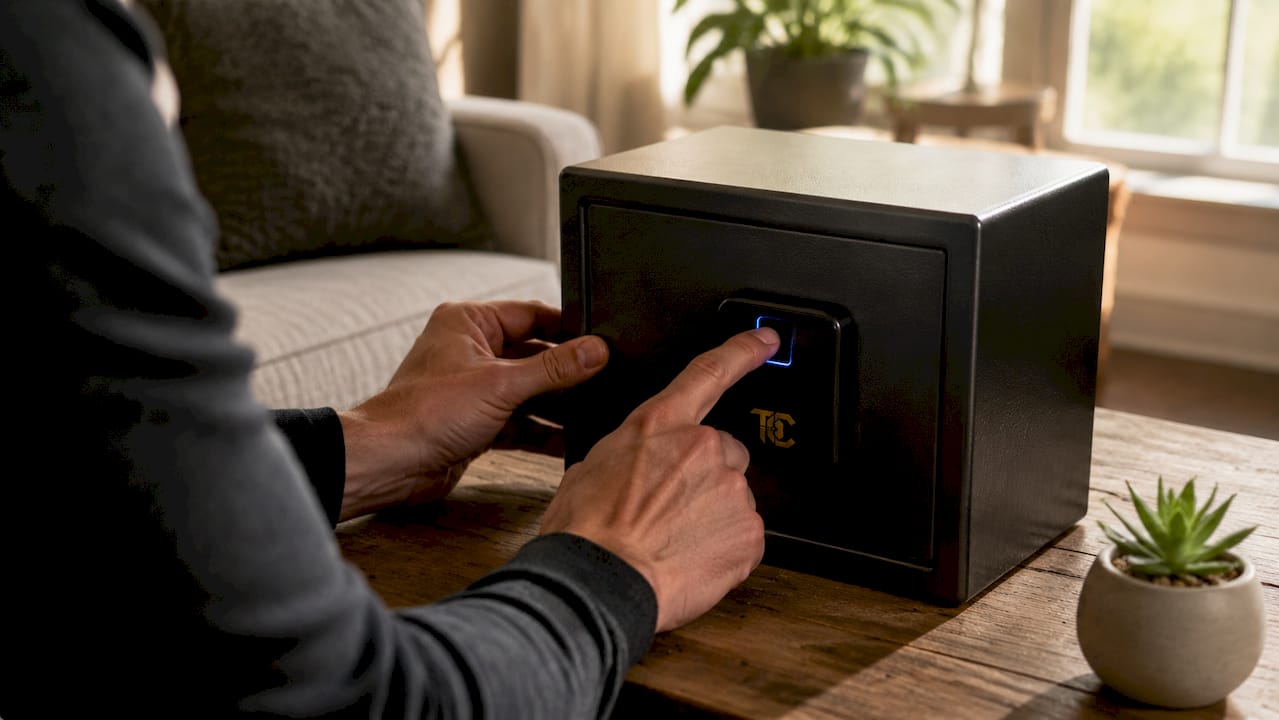
The benefits of gun safes extend to accident prevention as well. Unsecured firearms are the leading cause of unintentional shooting deaths among children under 14 in the United States. A locked safe removes the firearm from reach entirely, which is a fundamentally different level of protection compared to a trigger lock or a high shelf.
Storage methods vary widely in their actual effectiveness:
- Gun safes: Steel construction with locking mechanisms; highest protection against unauthorized access, theft, and fire
- Gun cabinets: Typically thin metal or wood with basic locks; deters casual access but offers minimal theft resistance
- Trigger locks: Prevent firing but leave the firearm visible and accessible for removal
- Lock boxes: Compact and portable; good for handguns and travel but limited capacity
Quick-access biometric safes, such as those made by Vaultek or GunVault, offer a practical middle ground for home defense. They balance security and accessibility by allowing a trained adult to retrieve a firearm in seconds while keeping it locked from everyone else. That balance is exactly what responsible gun ownership looks like in a household with children or frequent guests.
Pro Tip: Always store ammunition separately from firearms in a locked container. This adds a second layer of delay that significantly reduces the risk of impulsive misuse, even if someone bypasses the primary safe.
How do security ratings and safe features differ?
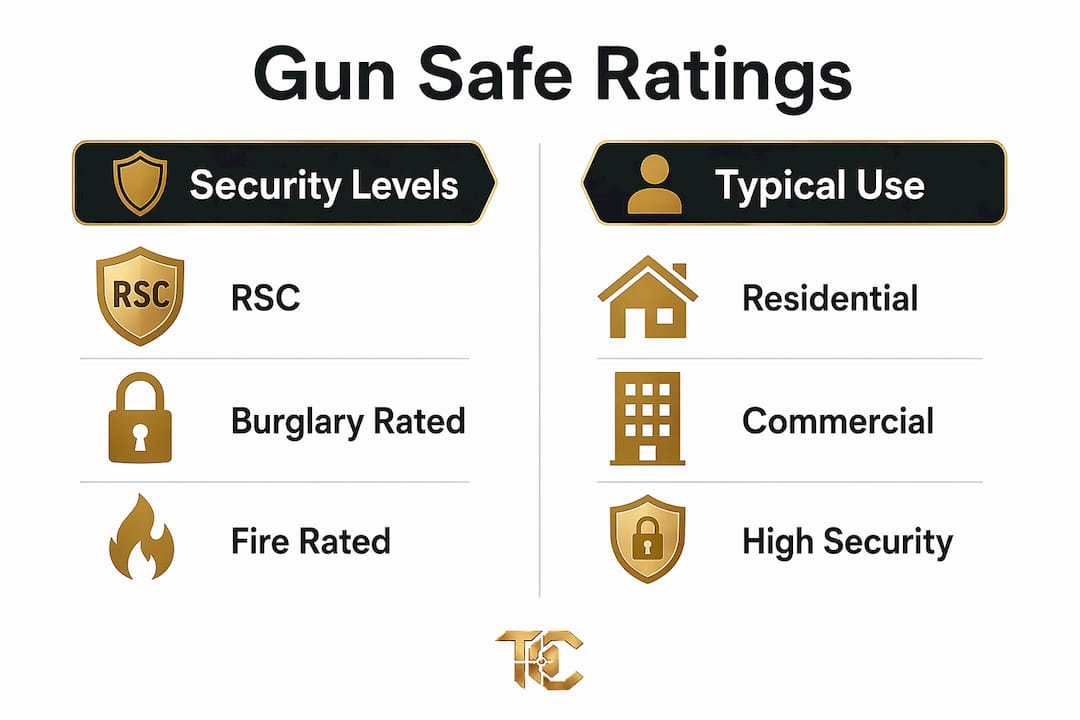
Not all gun safes provide equal protection. The industry uses specific ratings to classify burglary resistance, and understanding those ratings helps you buy the right level of security for your actual risk.
The most common entry-level products are classified as Residential Security Containers, or RSCs. These meet a basic UL standard and resist a short, determined attack. Higher-rated safes carry TL-15 or TL-30 ratings, meaning they resist burglary tools for 15 or 30 minutes respectively, including drills, grinders, and torches. That difference matters significantly if you live in an area with higher property crime rates.
| Security Level | Typical Resistance | Price Range | Best Use |
|---|---|---|---|
| Residential Security Container (RSC) | 5 minutes, basic tools | $150–$600 | Handguns, home storage |
| TL-15 | 15 minutes, power tools | $1,000–$2,500 | Rifles, valuables |
| TL-30 | 30 minutes, torches and drills | $2,500–$6,000+ | High-value collections |
| Biometric Quick-Access | Seconds to open, moderate resistance | $150–$500 | Bedside home defense |
Steel thickness, locking bolt diameter, and the number of locking points all contribute to a safe’s real-world resistance. A safe with a 1/4-inch steel door and four 1-inch locking bolts will outperform a safe with a thicker door but only two bolts, because prying attacks target the bolt count.
Anchoring your safe to the floor or wall is equally critical. According to RECOIL, anchoring prevents tipping attacks, which are the most common method thieves use to defeat a safe without cutting into it. A 400-pound safe that is not bolted down can still be tipped and leveraged open far more easily than a 200-pound safe that is properly anchored.
Pro Tip: Fire protection and burglary resistance are tested separately and use completely different construction methods. A safe with a high fire rating is not automatically a strong burglary deterrent. Evaluate both ratings independently based on your priorities.
Fire ratings on gun safes are often lab-tested under controlled conditions that may not reflect a real house fire. Use fire ratings as a general guide, not a guarantee.
What are the legal and insurance benefits of a gun safe?
Gun safes fulfill legal storage requirements in 27 states plus Washington D.C., where child access prevention laws mandate locked storage to reduce liability and injury risks. Failing to comply with these laws can result in criminal charges if a minor accesses your firearm and causes harm. A certified gun safe is the clearest proof of compliance you can provide.
The insurance benefits are equally concrete:
- Premium discounts: Many homeowners insurance providers offer reduced premiums for policyholders who store firearms in certified safes. The discount varies by insurer but typically ranges from 5% to 15% on the firearms portion of your policy.
- Faster claim processing: Proof of secure storage, such as a safe’s serial number and purchase receipt, expedites theft and fire claims by demonstrating responsible ownership to the insurer.
- Liability reduction: If a firearm is stolen from an unsecured location and later used in a crime, the original owner may face civil liability. A locked safe significantly limits that exposure.
- Documentation of value: High-end firearms stored in a documented safe are easier to insure at full replacement value.
Secure lock boxes start around $150, while larger, higher-quality safes range from $600 to $1,200 or more. That investment pays for itself quickly when you factor in insurance savings and the legal protection it provides. For a full breakdown of your rights and responsibilities as a firearm owner, Tungstencreektactical’s guide on legal firearm ownership covers the specifics by state.
How to choose the right gun safe for your situation
Selecting the right safe requires honest assessment of your household, your firearms, and your home defense priorities. Think of it like choosing the right caliber for a specific purpose. There is no single correct answer, but there is a wrong answer for every situation.
Follow this process to narrow your options:
- Assess your household. Do you have children, teenagers, or frequent guests? If yes, prioritize a higher-rated safe with a reliable locking mechanism over a quick-access box. The right safe selection depends directly on who else has access to your home.
- Choose your lock type. Biometric locks open in under two seconds and are ideal for bedside home defense. Electronic keypad locks are fast and reliable but require battery maintenance. Keyed locks are the most durable and best suited for long-term storage where speed is not a priority.
- Plan for real capacity. Manufacturer capacity ratings are consistently overstated. A safe rated for 24 guns may realistically hold 10–12 rifles once you account for optics, grips, and accessories. Buy at least 30% more capacity than you think you need today.
- Set a realistic budget. Entry-level RSC safes start around $150 for a lock box and $400–$600 for a full-size unit. If your collection includes rifles worth $2,000 or more each, a TL-15 rated safe at $1,500 is a sound investment, not an extravagance.
- Integrate with your broader security system. A gun safe works best as one layer in a complete home security plan. Pair it with a monitored alarm system and security cameras for maximum deterrence. A safe alone is not sufficient; combining safes with alarms and secure routines creates real protection.
For a deeper look at practical storage strategies, Tungstencreektactical’s step-by-step gun storage guide walks through 2026 compliance considerations in detail.
Key takeaways
A gun safe’s core purpose is to prevent unauthorized access, and every other benefit, from legal compliance to insurance savings, flows directly from that single function.
| Point | Details |
|---|---|
| Prevent unauthorized access | Locked storage stops children, intruders, and impulsive misuse before harm occurs. |
| Match security rating to risk | RSC safes suit basic needs; TL-15 or TL-30 ratings protect high-value collections against power tools. |
| Anchor your safe | Bolting a safe to the floor prevents tipping attacks, which are more common than cutting attacks. |
| Plan for real capacity | Manufacturer gun counts are overstated; buy 30% more space than your current collection requires. |
| Layer your security | Combine a certified safe with a home alarm system and secure routines for complete protection. |
Why i think most gun owners underestimate their safe
I have talked with hundreds of firearm owners over the years, and the pattern is consistent. Most people buy a safe after a close call, not before one. A neighbor gets burglarized. A child finds a loaded pistol. An insurance claim gets denied. The safe becomes reactive instead of proactive.
The uncomfortable truth is that a gun safe is not optional equipment for a responsible owner. It is the foundation. Everything else, the training, the carry permit, the home defense plan, rests on the assumption that your firearms are secured when you are not actively using them. A well-selected cigar deserves a proper humidor. A quality firearm deserves proper storage. The logic is identical.
What I have found actually works is treating the safe as a daily habit rather than a one-time purchase. You lock your car every night without thinking about it. Your safe should work the same way. The moment it becomes routine, the security becomes real. For owners who want to build that habit from the ground up, the 9 proven ways to secure firearms resource from Tungstencreektactical is worth your time.
One more thing worth saying directly: do not let the quick-access debate paralyze you. A biometric safe on your nightstand and a full-size safe in your closet solve two different problems. You do not have to choose one or the other. Most serious gun owners end up with both, and that is the right call.
— Brian
Tungstencreektactical has the gear to back your safety plan
At Tungstencreektactical, we believe that owning a firearm responsibly means pairing it with the right storage, the right accessories, and the right knowledge. We carry precision-built firearms, tactical accessories, and expert guidance to help you build a complete ownership setup from day one.

Whether you are looking for a custom-built firearm crafted for your specific needs or the right accessories to complement your existing collection, Tungstencreektactical delivers quality you can trust. Our mobile app lets you scan products, compare pricing, and unlock VIP benefits on every purchase. Visit our full shop to explore everything we carry and take the next step toward a complete, responsible firearms setup.
FAQ
What is the main purpose of a gun safe?
A gun safe is designed to prevent unauthorized access to firearms, protecting children, household members, and property from accidental or intentional misuse. Secondary purposes include theft deterrence, fire protection, and legal compliance.
Do gun safes actually prevent accidents?
Yes. Locked, unloaded storage interrupts access pathways and directly reduces the risk of accidental discharge and youth injury. Unsecured firearms are the leading cause of unintentional shooting deaths among children under 14.
Are gun safes legally required?
Gun safes fulfill legal storage requirements in 27 states plus Washington D.C., where child access prevention laws mandate locked storage. Requirements vary by state, so check your local laws or consult Tungstencreektactical’s guide on responsible ownership rules.
What is the difference between a gun safe and a gun cabinet?
A gun safe uses heavy-gauge steel and certified locking mechanisms to resist forced entry and fire. A gun cabinet typically uses thin metal or wood with basic locks, offering minimal resistance to a determined theft attempt.
How do i know what size gun safe to buy?
Buy at least 30% more capacity than your current collection requires, since manufacturer capacity ratings are consistently overstated once you account for optics, grips, and accessories. A safe rated for 24 guns may realistically hold 10–12 fully configured rifles.
Recommended
Related Post

Discover the 5 ways
An introduction to Tactical Luxury Guns & Coffee We founded
Top 5 Best PCC’s
In 2026, the Pistol Caliber Carbine (PCC) market is no