Top Shooting Drills for Competitive Shooters: 2026
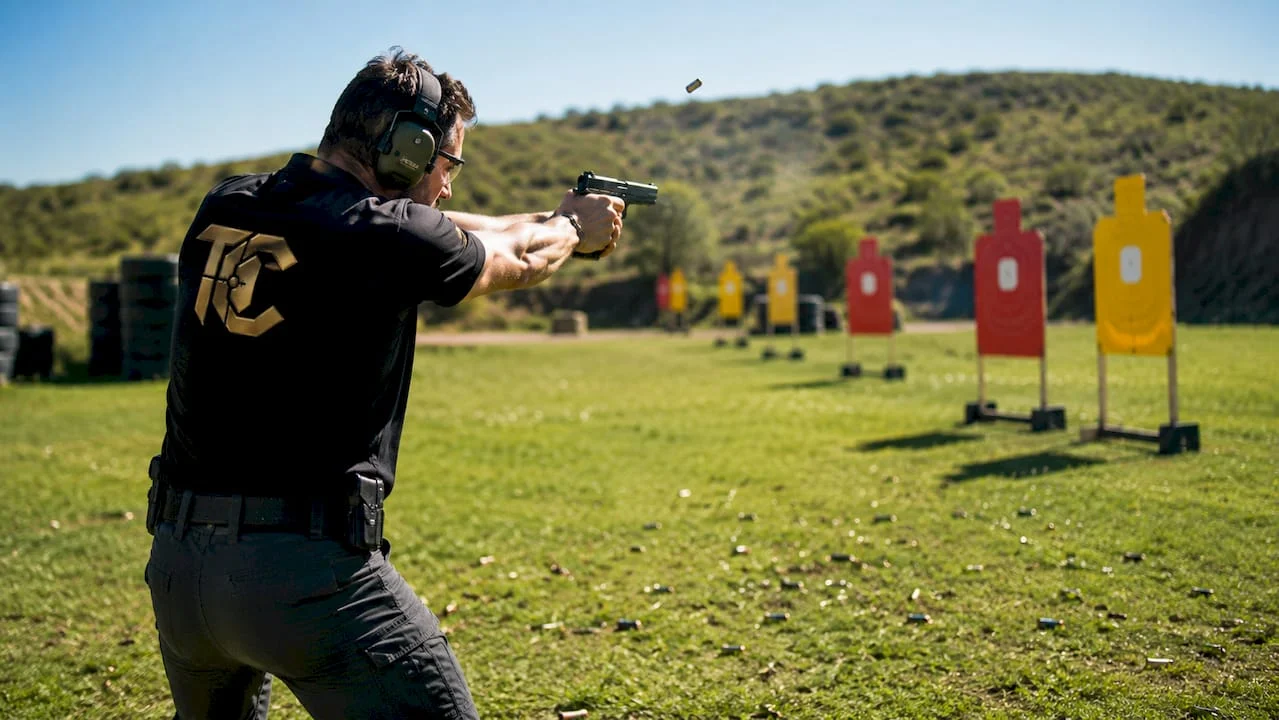
Top shooting drills are standardized, repeatable exercises designed to build accuracy, speed, and consistency under measurable conditions. Unlike casual range sessions, these drills use defined par times, scoring systems, and named protocols such as the Ken Hackathorn 10-10-10, El Presidente, and 3-2-1 at 6 to give you objective data on your performance. That data is what separates real skill development from the comfortable illusion of improvement. If you want to improve shooting accuracy and track genuine progress, structured drills are the only honest path forward.
What makes a top shooting drill worth your time?
Not every range exercise qualifies as an effective shooting drill. The best drills share a specific set of criteria that make them worth repeating session after session.
Repeatable, named drills with defined par times and scoring systems are the foundation of objective skill tracking. Without those standards, you are just shooting at paper and calling it practice.
Here is what separates a high-value drill from a forgettable range exercise:
- Standardized scoring: Every run uses the same target, distance, and scoring method so you can compare results across weeks and months.
- Par times: A fixed time limit forces you to balance speed against accuracy rather than defaulting to whichever feels comfortable.
- Low round count, high return: Around 100 rounds with intentional breaks yields better training returns than dumping magazine after magazine without analysis.
- Skill variety: The best drills incorporate draws, reloads, target transitions, and movement rather than isolating a single skill in a vacuum.
- Accountability: A single miss or a slow split time tells you exactly where your fundamentals broke down.
Pro Tip: Before you push for speed, perform each drill at a pace where you can call every shot. Speed built on sloppy fundamentals just locks in bad habits faster.
The goal is deliberate practice, not volume. Think of it like brewing a quality cup of coffee. The process matters as much as the result, and shortcuts show up in the final product.
8 top shooting drills with performance benchmarks
1. ken hackathorn 10-10-10
The Ken Hackathorn 10-10-10 requires firing 10 shots at 10 yards in 10 seconds on an NRA B8 target. Scoring breaks down as follows: 80–89 points is a passing score, 90–94 is good, and 95 or above is excellent out of a possible 100. This drill is one of the most honest assessments of your baseline pistol skill because it demands both accuracy and a controlled pace. There is nowhere to hide on an NRA B8 at 10 yards.
2. el presidente
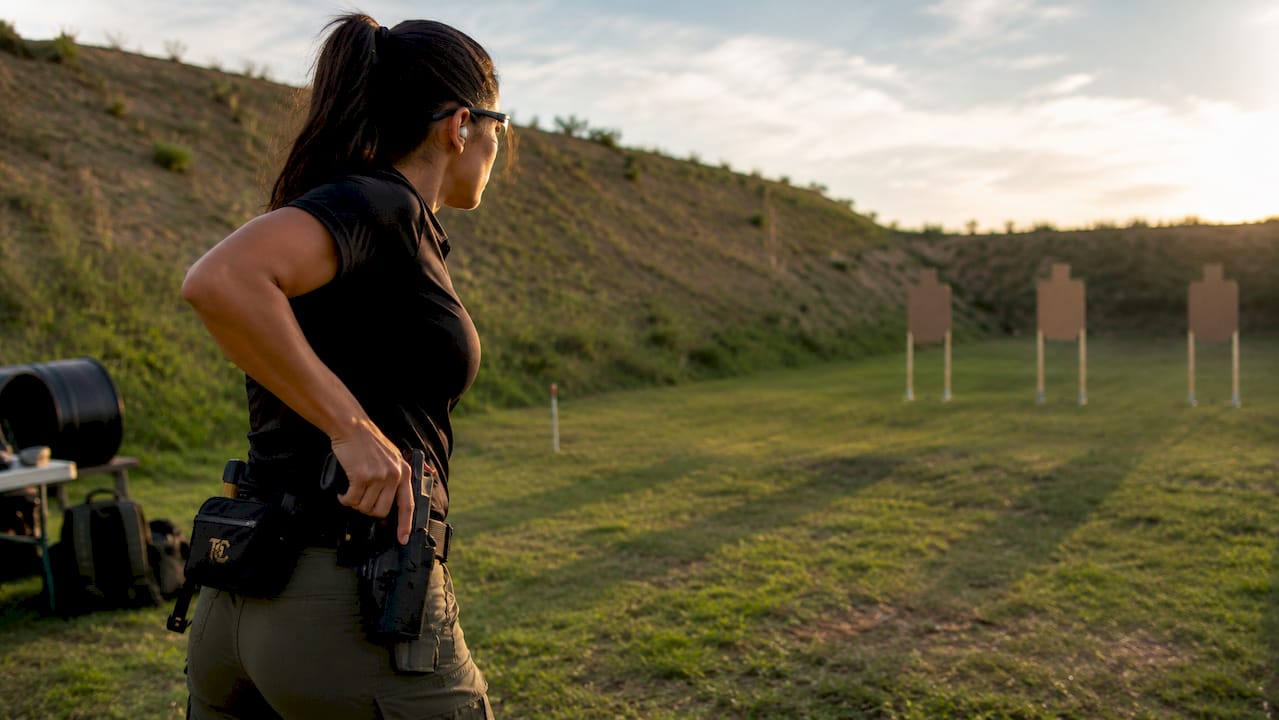
The El Presidente is a classic drill built around three IPSC or USPSA cardboard targets set one meter apart at 10 yards. You start back to the targets, draw on the signal, put two rounds on each target, perform a mandatory reload, and put two more rounds on each target for a total of 12 rounds. Competitive par time is under 10 seconds, and professionals aim for under 7 seconds. This drill tests your draw, target transitions, and reload speed simultaneously, making it one of the most complete assessments in practical shooting.
3. 3-2-1 at 6
The 3-2-1 at 6 drill uses 18 rounds with strict hit zone requirements. Par times range from 35 seconds for beginners to 15 seconds or less for advanced shooters. A single miss disqualifies the run entirely. That zero-tolerance rule forces you to prioritize hit confirmation over raw speed, which is exactly the discipline most shooters need to develop.
4. dot torture
Dot Torture is a 50-round drill fired at close range, typically 3 yards, on a target with 10 numbered dots. Each dot has a specific shooting task: one-handed shots, strong hand only, weak hand only, draws, and reloads. The drill is slow and deliberate by design. It exposes grip and trigger control deficiencies that speed drills tend to mask.
5. mozambique drill
The Mozambique, also called the Failure Drill, requires two shots to the center mass and one precise shot to the head of a target. It is typically run from the draw at 7 yards. The drill trains you to shift your point of aim under pressure, a skill directly relevant to defensive shooting. Run it with a shot timer and track your split times between the body shots and the head shot.
6. bill drill
The Bill Drill is six rounds from the draw at 7 yards on a single IPSC target, all A-zone hits required. The standard par time for a competent shooter is around 2.5 seconds from the holster. This drill isolates your draw speed and your ability to manage recoil through rapid follow-up shots. It is one of the best tools for diagnosing trigger freeze and grip inconsistency.
7. 5×5 drill
Developed by Gila Hayes, the 5×5 drill requires five shots at 5 yards in 5 seconds on a 5-inch circle, repeated five times. The scoring is simple: all hits inside the circle count, misses do not. The drill is accessible for beginners but demanding enough to challenge intermediate shooters who want to tighten their groups under a time constraint.
8. failure to stop drill
This drill extends the Mozambique concept by adding a third shot to the pelvis area rather than the head, simulating a target wearing body armor. It is run at 7–10 yards and requires you to consciously redirect your point of aim twice in a single string of fire. Advanced shooters use this drill to build the mental habit of assessing and adjusting rather than defaulting to a fixed response.
| Drill | Rounds | Distance | Par Time | Primary Skill |
|---|---|---|---|---|
| Ken Hackathorn 10-10-10 | 10 | 10 yards | 10 seconds | Accuracy and consistency |
| El Presidente | 12 | 10 yards | Under 10 seconds | Draw, transitions, reload |
| 3-2-1 at 6 | 18 | 6 yards | 15–35 seconds | Speed and precision |
| Dot Torture | 50 | 3 yards | No par time | Fundamentals and control |
| Bill Drill | 6 | 7 yards | ~2.5 seconds | Draw speed and recoil management |
| 5×5 Drill | 25 | 5 yards | 5 seconds per string | Accuracy under time pressure |
Pro Tip: Run each drill cold at the start of your session before your hands warm up and your eye settles in. Cold performance is your real baseline.
How to track your shooting progress objectively
Tracking progress requires more than memory. Documenting performance data with shot timers and scoring sheets is the only way to distinguish genuine skill improvement from environmental familiarity.
Here is a practical system for honest progress tracking:
- Use a shot timer every session. A timer like the Competition Electronics Pocket Pro II or the PACT Club Timer III removes the guesswork from your splits and total run times.
- Record every run. Write down your time, your score, and the conditions: distance, target type, and whether you ran the drill cold or warm.
- Repeat the same drills regularly. Running the Ken Hackathorn 10-10-10 once a month gives you a monthly snapshot of your pistol skill that is directly comparable across time.
- Vary your conditions deliberately. Shoot from kneeling, from behind cover, or with your non-dominant hand to prevent your scores from reflecting only familiarity with a single setup.
- Pause between strings. Deliberate breaks between strings allow you to evaluate grip pressure, sight alignment, and trigger press before the next run. That analysis accelerates habit formation far more than continuous firing.
“Gun issues are nearly always the result of shooter input rather than mechanical failure.” This principle, drawn from expert tactical training, means your data will almost always point back to grip, stance, or trigger press as the root cause of a bad run.
Pairing live fire data with dry fire practice between range sessions compounds your improvement rate significantly. Dry fire costs nothing and builds the same neural pathways that live fire reinforces.
Choosing the right drill for your skill level
Not every drill fits every shooter. Matching the drill to your current ability keeps training productive rather than frustrating.
| Skill Level | Recommended Drills | Focus |
|---|---|---|
| Beginner | 5×5, Dot Torture | Fundamentals, trigger control |
| Intermediate | Bill Drill, Ken Hackathorn 10-10-10 | Speed, accuracy balance |
| Advanced | El Presidente, 3-2-1 at 6, Failure to Stop | Reloads, transitions, precision under pressure |
Beginners benefit most from slow, deliberate drills that expose grip and trigger errors before speed becomes a factor. Dot Torture at 3 yards with no time pressure is a more honest teacher than any timed drill run too early. Intermediate shooters should introduce par times and begin tracking scores consistently. The Bill Drill and the Ken Hackathorn 10-10-10 provide clear benchmarks without requiring complex target setups.
Advanced shooters need drills that combine multiple skills in a single string. The El Presidente and the 3-2-1 at 6 both demand draw speed, accurate hits, and a clean reload within a single timed run. Advanced shooters excel by managing the wobble zone and maintaining disciplined shots under fatigue rather than relying on raw speed alone. Training under fatigue, such as running a set of drills after physical exertion, builds the stabilization and shot discipline that separates competitive shooters from casual ones.
For a broader foundation on structured marksmanship practice, pairing these drills with a deliberate skill-building plan accelerates your development at every level.
Key takeaways
The most effective shooting drills combine standardized scoring, defined par times, and deliberate pauses for analysis to produce measurable, honest skill gains.
| Point | Details |
|---|---|
| Use named, standardized drills | Drills like the Ken Hackathorn 10-10-10 and El Presidente give you repeatable benchmarks to track real progress. |
| Low round count beats volume | Around 100 focused rounds with intentional breaks outperforms high-volume sessions without analysis. |
| Track every run with data | Record times, scores, and conditions each session to identify plateaus and genuine improvement. |
| Match drills to your skill level | Beginners need fundamentals drills; advanced shooters need multi-skill strings under time pressure. |
| Pause and analyze between strings | Deliberate breaks between strings accelerate habit formation faster than continuous firing. |
What i have learned from years of structured drill work
After years of running structured drills, the single biggest mistake I see shooters make is treating the range like a performance stage rather than a training lab. They run their best drills when they feel warmed up, skip the cold runs, and never write anything down. The result is a shooter who feels like they are improving but has no data to prove it.
The Ken Hackathorn 10-10-10 humbles most people the first time they run it cold. That is the point. A score of 82 on your first cold run of the session tells you more about your actual skill level than a 96 you shot after 200 warm-up rounds.
I have also found that self-awareness over round volume is the real separator between shooters who plateau and shooters who keep improving. When a run goes wrong, the answer is almost never “shoot more.” It is “figure out what your grip or trigger press did and fix it before the next string.” That diagnostic mindset is what makes a 100-round session more productive than a 500-round session without focus.
One more thing worth saying plainly: fatigue is a training tool, not an excuse to stop. Running the El Presidente after a set of burpees or a short sprint tells you what your shooting actually looks like when your heart rate is elevated. That is closer to a real defensive scenario than any calm, rested range session. Build it into your shooting workout plans deliberately.
— Brian
Gear up for better drill performance with Tungstencreektactical

The right firearm and the right accessories make a measurable difference in how well you execute these drills. A pistol that fits your hand, feeds reliably, and has a trigger you trust removes variables from every run. Tungstencreektactical offers custom-built firearms precision-built to match your shooting discipline, whether you are running USPSA stages, defensive readiness drills, or structured practice routines. If you are still deciding on the right platform, the firearms comparison guide walks you through the key factors by skill level and use case. Pair the right gun with the right tactical accessories and your next range session starts with a real advantage.
FAQ
What is the best shooting drill for beginners?
Dot Torture and the 5×5 drill are the best starting points for beginners. Both drills emphasize trigger control and accuracy at close range without the pressure of aggressive par times.
How many rounds should i use per training session?
Around 100 rounds with deliberate pauses for analysis produces better training returns than high-volume sessions. Low round count with focused intent is the standard recommended by expert tactical trainers.
How do i know if i am actually improving?
Record your times and scores for the same standardized drills across multiple sessions. Consistent improvement in your Ken Hackathorn 10-10-10 score or your El Presidente time is objective evidence of real skill gains.
What equipment do i need to run these drills?
A reliable pistol, a shot timer such as the Competition Electronics Pocket Pro II, the correct target for each drill, and a notebook for recording results are the core requirements. Most drills need no more than 25 rounds and a standard IPSC or NRA B8 target.
How often should i run structured shooting drills?
Running structured drills once or twice per week, combined with dry fire practice between sessions, is a practical schedule for consistent skill development. Frequency matters less than consistency and honest performance tracking.
Recommended
Related Post

Discover the 5 ways
An introduction to Tactical Luxury Guns & Coffee We founded
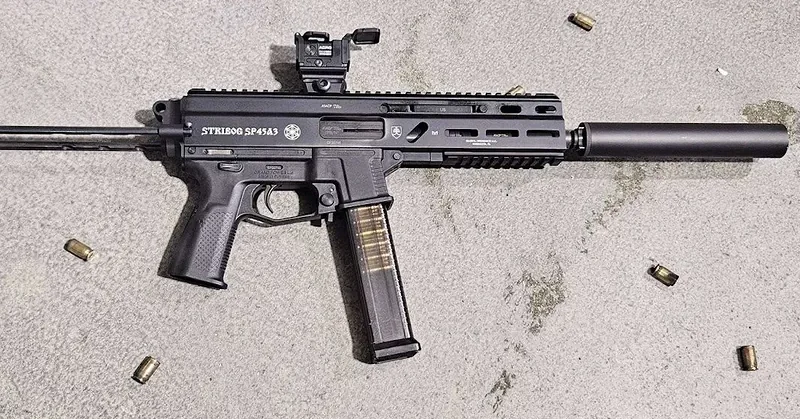
Top 5 Best PCC’s
In 2026, the Pistol Caliber Carbine (PCC) market is no