Types of Optic Sights: Your 2026 Shooter’s Guide
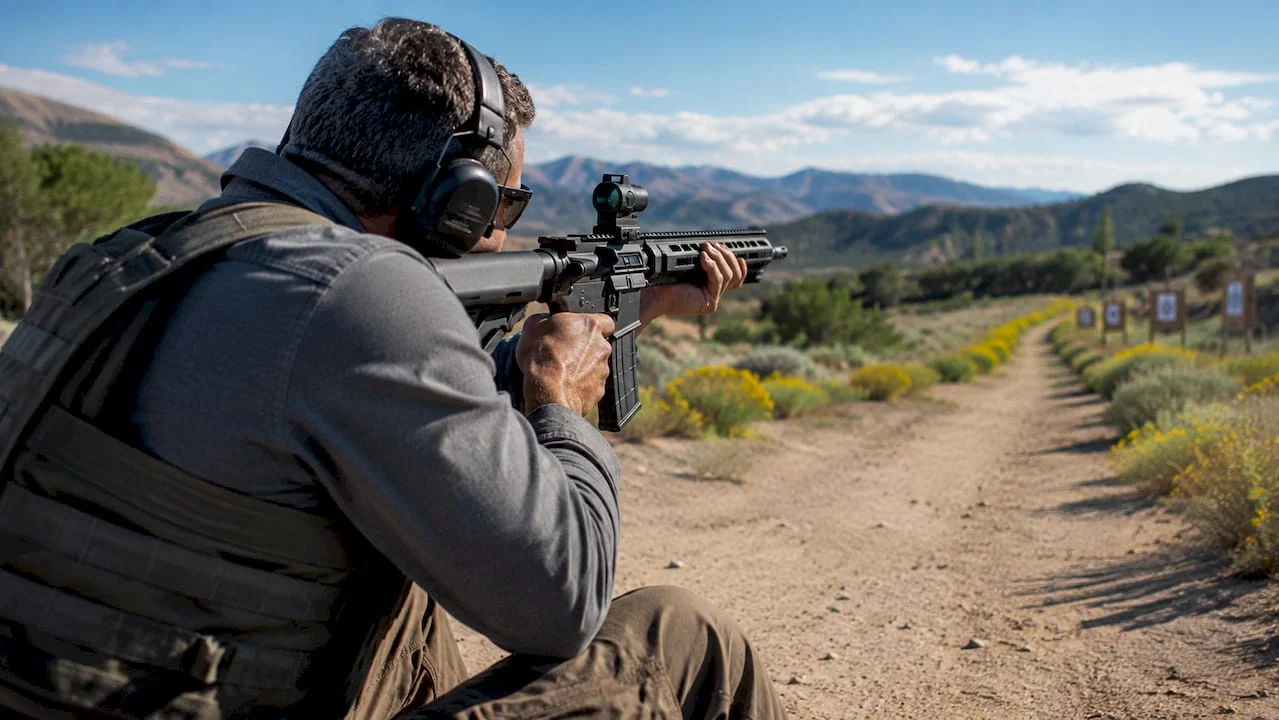
Optic sights are devices that project a reticle or magnify a target to improve shooting accuracy, and choosing the right type is one of the most consequential decisions you make as a shooter. The major types of optic sights include red dot sights, holographic sights, prism scopes, traditional riflescopes, low-power variable optics (LPVOs), and thermal and night vision devices. Each category serves a distinct range, speed, and environmental requirement. No single optic wins every scenario, which is exactly why understanding the differences matters before you spend a dollar.
1. What are red dot sights and when should you use them?
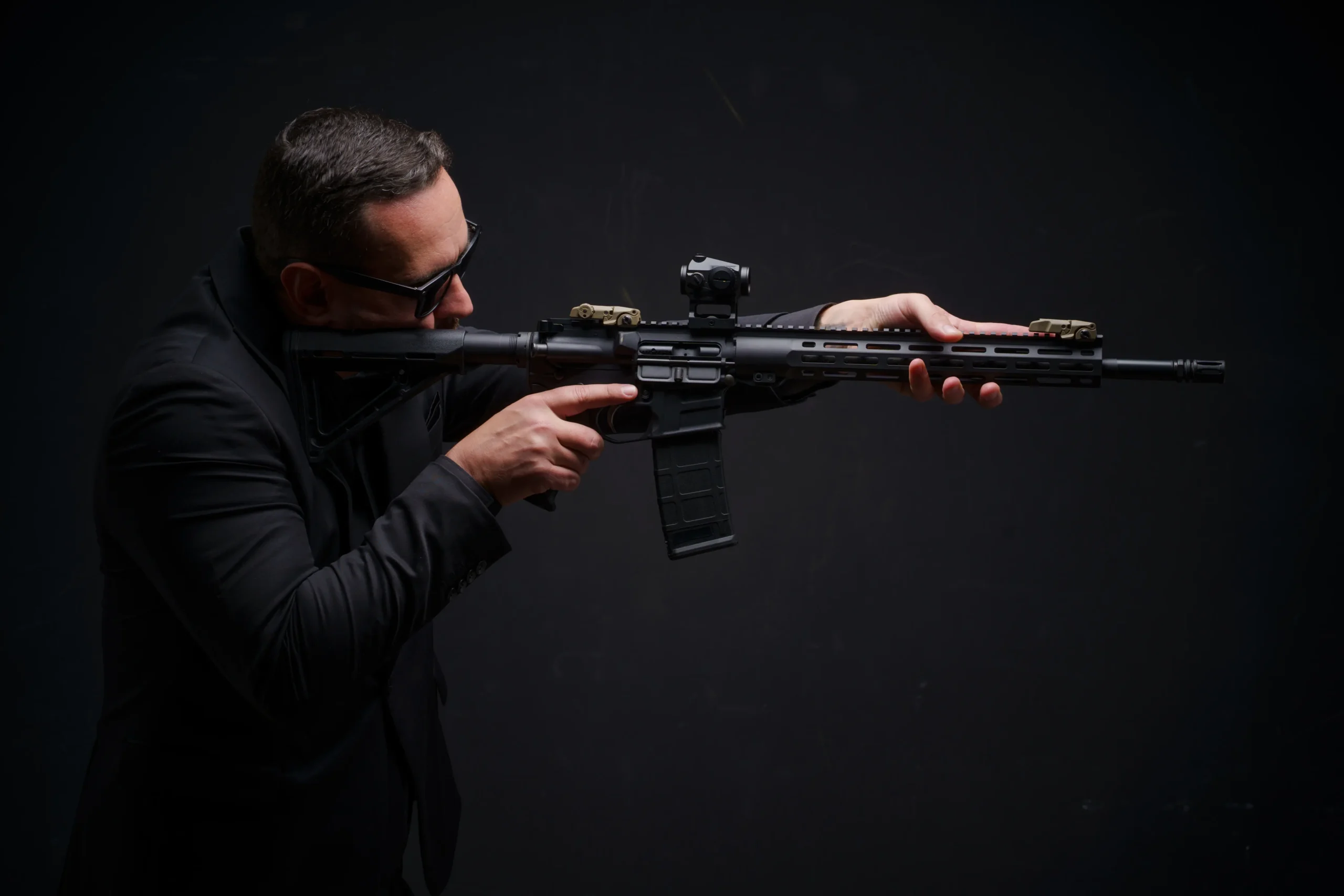
Red dot sights are the fastest-acquisition optics available for close to mid-range shooting. They work by projecting an illuminated dot onto a lens, giving you a single focal plane to align with your target. Red dots are parallax-free and offer unlimited eye relief, meaning you can shoot with both eyes open at any head position. That combination makes them the go-to choice for home defense, close-quarters engagements, and fast-moving targets inside 100 yards.
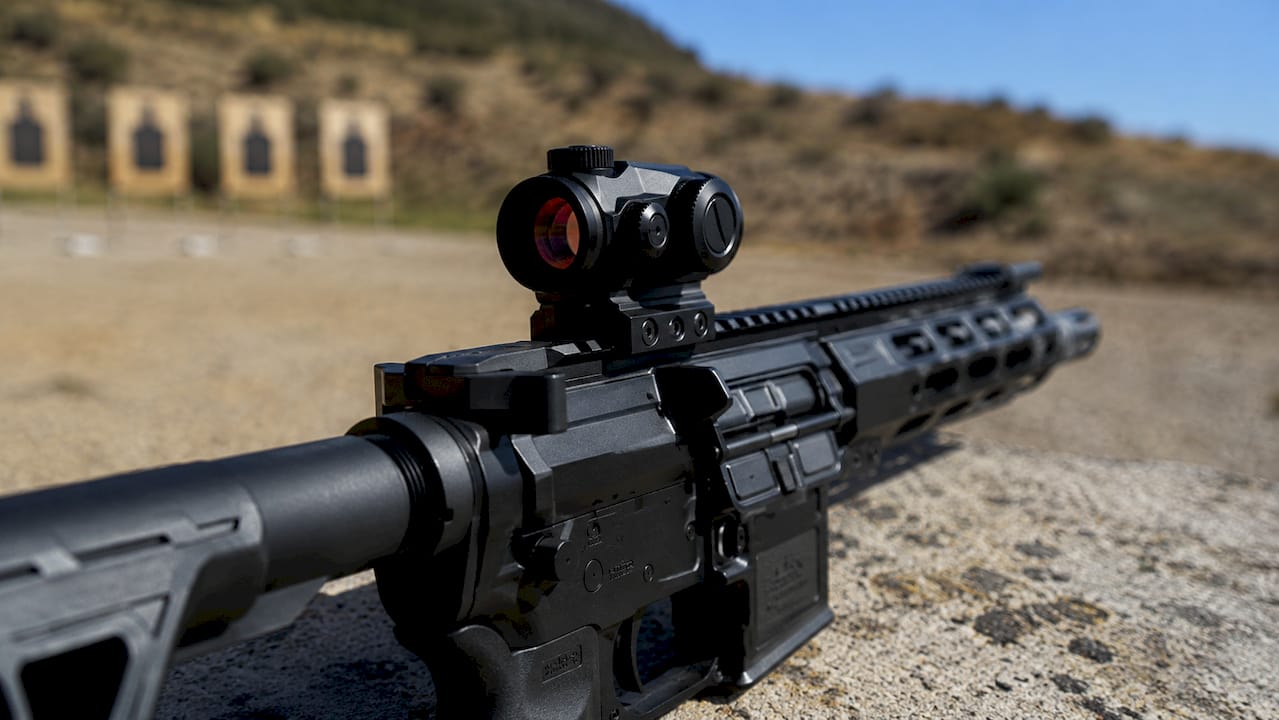
Reticle size matters more than most shooters realize. A 2 MOA dot gives you finer precision at distance, while a 6 MOA dot is faster to pick up in a panic situation. The trade-off is real: bigger dots cover more of your target at range.
Key features to evaluate:
- Parallax-free design for consistent point of aim regardless of eye position
- Unlimited eye relief for fast, natural mounting
- Illuminated dot adjustable for brightness in sun or low light
- Battery life ranging from hundreds to tens of thousands of hours depending on the model
- Dot size measured in MOA, affecting precision vs. speed
Pro Tip: If your red dot reticle looks like a starburst instead of a crisp dot, you may have astigmatism. Try a reflex sight with a larger window or switch to a prism scope with an etched reticle.
Holographic sights are a close variant worth knowing. Holographic weapon sights use laser diffraction to project more complex reticle patterns, which can appear clearer to shooters with astigmatism. The trade-off is shorter battery life and a higher price point compared to standard reflex designs.
2. How do prism scopes differ from red dots?
Prism scopes use internal prisms instead of a traditional long lens tube to invert and focus the image. The result is a compact, durable optic that sits much shorter on your rail than a conventional riflescope. Prismatic scopes feature etched reticles that remain visible even when the battery dies, which is a meaningful advantage in field conditions.
The etched reticle is the defining benefit for shooters with astigmatism. Because the reticle is physically cut into the glass rather than projected, etched reticles stay crisp regardless of your eye condition. That makes prism scopes the recommended alternative when a red dot appears blurry.
Prism scope advantages at a glance:
- Compact form factor shorter than traditional scopes
- Etched reticle visible without battery power
- Optional illumination for low-light use
- Fixed magnification typically 1x, 3x, or 5x
- Durable construction suited for hard use and recoil-heavy platforms
Pro Tip: A 3x prism scope on an AR-15 gives you a meaningful reach advantage over a red dot while keeping the package short enough for vehicle or building work. Pair it with a quality scope mount to maintain zero under recoil.
The trade-off with prism scopes is fixed magnification. You commit to one power level, so a 3x prism is not ideal if your shooting tasks swing between 10 yards and 400 yards. For a single-role rifle, though, prism scopes provide a strong middle ground between red dots and full-size riflescopes.
3. What are traditional riflescopes and when do you need one?
Traditional riflescopes use a series of telescopic lenses to magnify a target and place a reticle in the shooter’s field of view. They are the standard choice for long-range hunting, precision competition, and any scenario where target detail at distance matters. The two main categories are fixed-power and variable-power scopes.
Variable-power scopes give you a magnification range, such as 3-9x or 4-16x, letting you dial down for close shots and up for distance. Fixed-power scopes offer one magnification level and are simpler, lighter, and often more durable. Most hunters and precision shooters choose variable-power for flexibility.
The reticle plane is a critical decision point:
| Reticle Type | How It Works | Best For |
|---|---|---|
| First Focal Plane (FFP) | Reticle scales with magnification; subtensions stay accurate at all power levels | Tactical and precision shooting with holdovers |
| Second Focal Plane (SFP) | Reticle stays the same size; subtensions accurate only at max power | Hunters who shoot at consistent distances |
FFP scopes maintain accurate subtensions across all magnification settings. That means your mil or MOA holds are correct whether you are at 4x or 16x. SFP scopes are calibrated at maximum power only, which is fine for hunters who rarely adjust magnification mid-hunt but problematic for tactical shooters who dial frequently.
Adjustment turrets, zero-stop features, and illuminated reticles are worth evaluating for your specific use case. A competition shooter benefits from exposed tactical turrets for quick adjustments. A deer hunter rarely needs them.
4. Low-power variable optics: the multi-role solution
Low-power variable optics, commonly called LPVOs, run from 1x to 6x or 1x to 8x magnification. At 1x, they function like a red dot for close-quarters work. Dialed up, they reach out to 400–600 yards with enough clarity for precision shots. Experts recommend LPVOs for multi-role rifles where the shooter needs both speed and reach in a single package.
LPVOs are heavier and more expensive than red dots or prism scopes. The weight trade-off is real, and you should handle one before committing. For a patrol rifle, a home defense carbine that also sees range duty, or a competition 3-Gun setup, the versatility justifies the cost.
5. What role do thermal and night vision optics play?
Thermal optics detect heat signatures emitted by animals, people, or objects. Night vision devices amplify available ambient light to produce a visible image in darkness. Both categories serve shooters who operate in low-light or no-light conditions, and both come with meaningful trade-offs in cost, size, and battery consumption.
Thermal optics excel at detecting living targets through brush, fog, and complete darkness because heat passes through those obstacles. Night vision requires at least some ambient light or an infrared illuminator to function. The image styles differ: thermal produces a heat-map silhouette, while night vision produces a green or white phosphor image with more environmental detail.
Key considerations for specialized optics:
- Thermal: Superior target detection in zero light; higher cost; heavier units
- Night vision: More natural image; requires some light source; lower entry cost
- Battery life: Both categories consume power faster than passive optics
- Complementary use: Many shooters run a thermal monocular for spotting and a night vision scope for shooting
Advancements in thermal and night vision technology have brought professional-grade performance into more accessible price ranges over the past several years. Units that once cost tens of thousands of dollars now have capable counterparts at a fraction of that price.
6. How do pistol optics differ from rifle optics?
Pistol optical sights operate on the same core principles as rifle optics, including red dot and scope designs. The primary differences are size, weight, and magnification. Pistol optics must survive the rearward slide cycle, which generates more violent shock than a rifle’s recoil impulse. That demands tighter construction tolerances.
Pistol-mounted red dots are the most common handgun optic. They sit in a slide-milled cut or on a mounting plate and add minimal weight. Fixed low-magnification scopes exist for hunting handguns and long-range pistol competition. Prism sights adapted for pistols provide magnification with an etched reticle in a compact package.
Practical considerations for pistol optics:
- Weight: Heavier optics shift the balance point forward and affect draw speed
- Height over bore: Taller optics require a sight-in adjustment for close-range zero
- Mounting compatibility: Confirm your pistol’s slide cut matches the optic footprint
- Battery access: Top-loading battery trays allow changes without removing the optic
The growth of pistol optics reflects a broader trend: concepts proven on rifles are now standard on handguns. The OSIGHT SE Reflex is one example of a dual-purpose reflex design suited to both pistol and compact rifle applications.
7. How to choose the right optic for your shooting needs
The right optic matches your primary engagement range, shooting speed requirement, and environmental conditions. No single optic type suits all roles, and the best shooters treat optic selection the way a craftsman treats tool selection: specific to the job.
Use this framework to narrow your choice:
| Shooting Scenario | Recommended Optic | Why |
|---|---|---|
| Home defense, CQB | Red dot or holographic | Speed and both-eyes-open awareness |
| General-purpose carbine | LPVO or prism scope | Flexibility from close to mid-range |
| Long-range precision | Traditional riflescope (FFP) | Accurate holdovers at all magnifications |
| Nocturnal hunting | Thermal or night vision | Target detection in darkness |
| Pistol carry | Pistol red dot | Minimal weight, fast acquisition |
Vision matters as much as range. If you have astigmatism, prism sights or magnified scopes with etched reticles are the practical solution. A red dot that looks blurry to your eye will not improve with practice. Switching optic types will.
Budget shapes the decision too. A quality red dot at a moderate price point outperforms a cheap variable scope every time. Buy the best optic your budget allows for your primary use case, then add secondary optics as your needs expand.
Pro Tip: Before buying, borrow or rent the optic type you are considering and shoot it in conditions that match your real use case. Range lighting is not the same as a predawn hunt or a home hallway at 2 AM.
Key takeaways
Matching your optic to your specific shooting task is the single most important factor in improving accuracy and performance.
| Point | Details |
|---|---|
| Red dots for speed | Choose red dot or holographic sights for targets inside 100 yards where fast acquisition matters. |
| Prism scopes for astigmatism | Etched reticles stay crisp regardless of eye condition, making prism scopes the reliable alternative. |
| FFP vs. SFP reticles | FFP scopes hold accurate subtensions at all power levels; SFP scopes are calibrated at maximum magnification only. |
| LPVOs for multi-role use | A 1–6x or 1–8x LPVO covers close-quarters to mid-range in a single optic. |
| Test before you buy | Shooting an optic in real conditions reveals fit and function that no spec sheet can replicate. |
What I’ve learned after years behind different optics
The most common mistake I see is shooters buying the most expensive optic they can find and assuming it will solve their accuracy problems. It rarely does. Optics reveal your fundamentals; they do not replace them. A red dot on a rifle you shoot well will outperform a high-end variable scope on a rifle you have not zeroed properly.
The second mistake is treating optic choice as permanent. Your needs change. A rifle you bought for home defense might become your hunting carbine two years later. That shift in role often justifies a different optic. I have swapped optics on the same rifle three times as my shooting evolved, and each change made sense at the time.
My personal preference for a general-purpose carbine is a quality LPVO. The 1x setting is genuinely fast, and the upper magnification range handles most real-world shooting tasks. For a dedicated precision rifle, I want a traditional FFP scope with exposed turrets. For a bedside pistol, a compact red dot with a long battery life is the only answer.
The one thing I tell every shooter who asks: try before you commit. Optics feel different in your hands than they read on a spec sheet. The eye relief, the reticle clarity, the adjustment feel. Those details only reveal themselves when you are behind the glass.
— Brian
Gear built for shooters who take optics seriously
Tungstencreektactical stocks firearms and accessories selected with optics integration in mind. Whether you are mounting your first red dot or spec-ing out a precision build, the right foundation matters as much as the glass on top.
Tungstencreektactical’s custom gun builds are configured for optic-ready platforms, with rail systems, slide cuts, and mounting solutions already dialed in. You can also use the Tungstencreektactical mobile app to scan products, compare pricing, and unlock VIP pricing on optics and accessories before you buy. If you want guidance on selecting tactical accessories that pair with your optic setup, the team is available to walk you through the options.
FAQ
What is the best optic sight for beginners?
A red dot sight is the best starting point for most beginners. It is simple to use, requires no magnification adjustment, and builds fast target acquisition habits from the first session.
Can I use a rifle scope on a pistol?
Traditional rifle scopes are generally too large and heavy for pistol use. Pistol-specific red dots or compact fixed-magnification scopes designed for handgun recoil are the correct choice.
What is the difference between holographic and reflex sights?
Reflex sights use an LED to project a dot onto a lens. Holographic sights use laser diffraction to create the reticle, which can appear clearer to shooters with astigmatism but draws more battery power.
Does astigmatism affect all optic types equally?
No. Red dot and holographic projected reticles often appear blurry to shooters with astigmatism. Prism scopes with etched reticles and traditional magnified scopes typically produce a clearer image for those shooters.
What is the difference between FFP and SFP scopes?
FFP scopes scale the reticle with magnification so holdovers stay accurate at any power setting. SFP scopes keep the reticle the same size and are only calibrated at one magnification, typically maximum power.
Recommended
Related Post

Discover the 5 ways
An introduction to Tactical Luxury Guns & Coffee We founded
Top 5 Best PCC’s
In 2026, the Pistol Caliber Carbine (PCC) market is no