
Why Invest in Optics: A Firearm Owner’s Guide
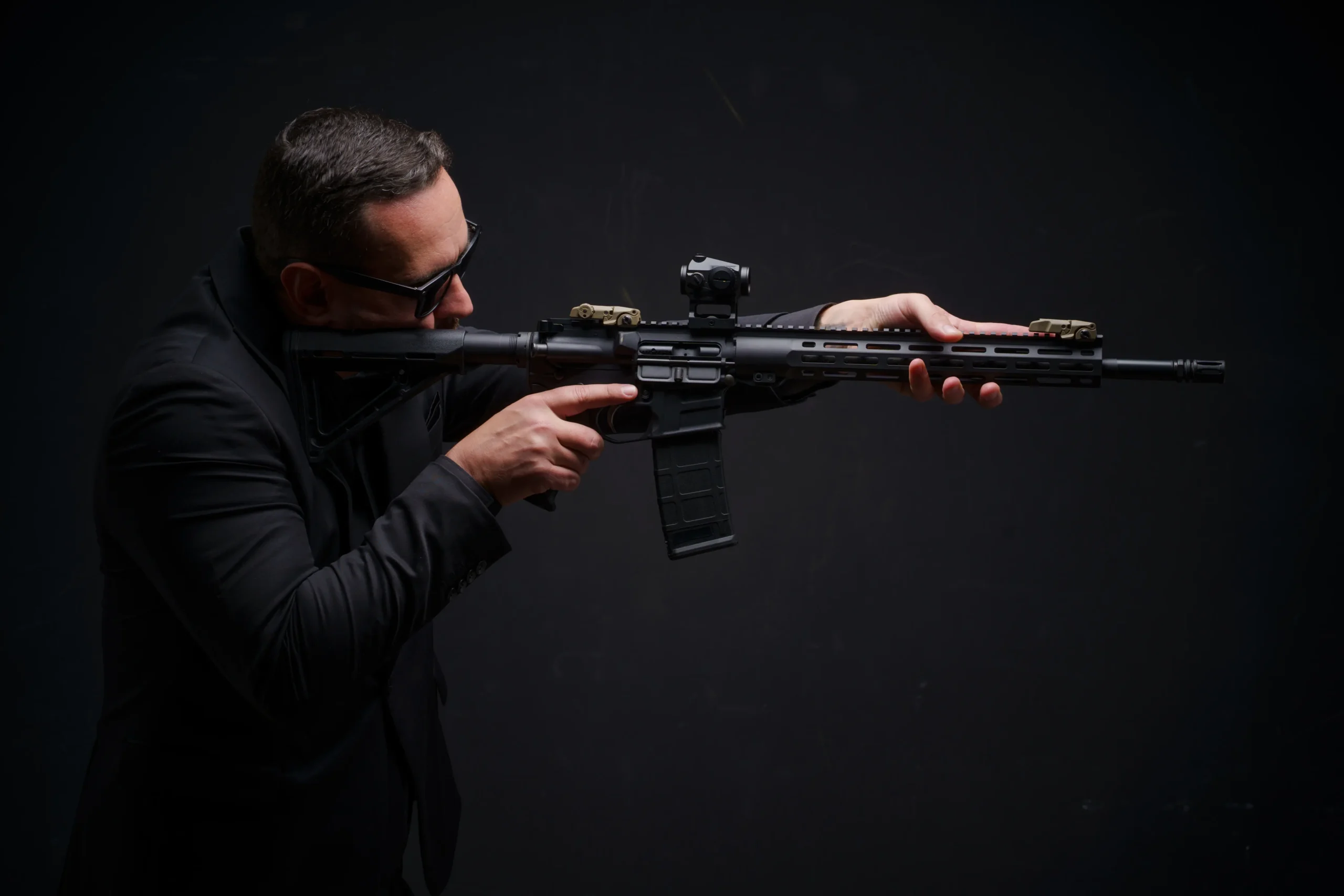
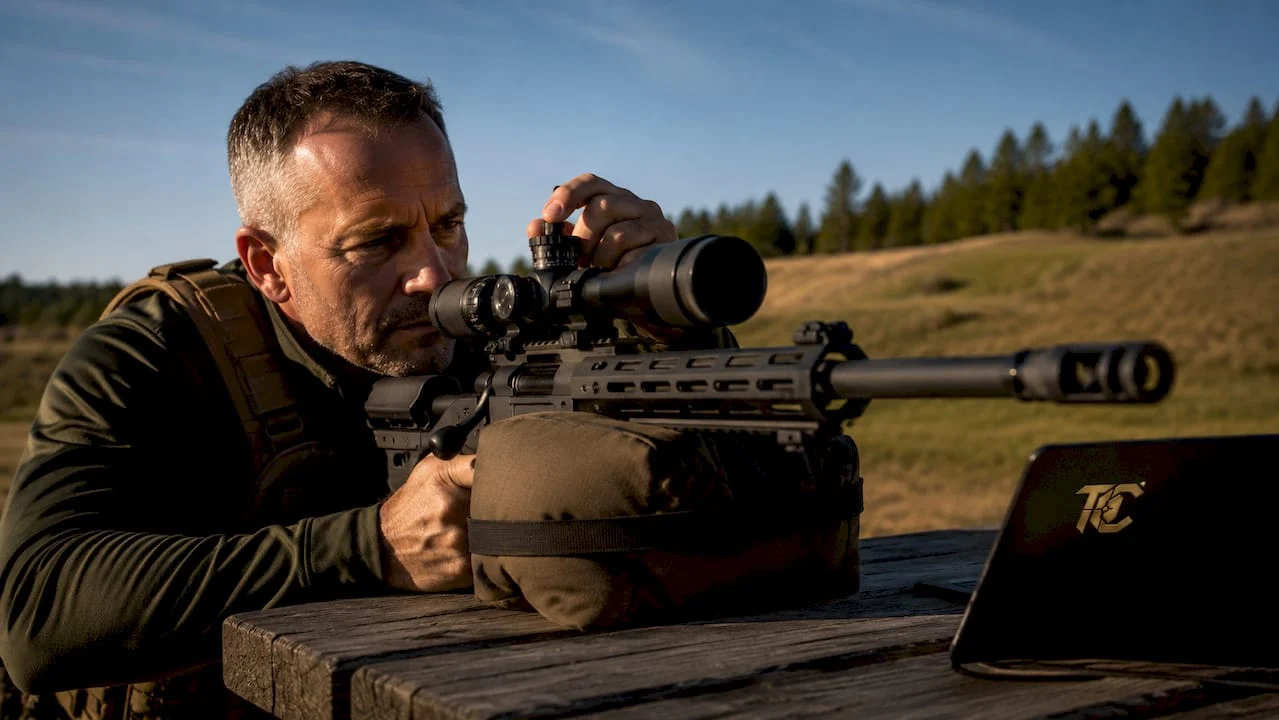
Quality optics are defined as precision optical instruments that improve target acquisition, aiming accuracy, and situational awareness for firearm owners and outdoor enthusiasts. Understanding why invest in optics matters starts with one fact: no other single upgrade delivers more measurable improvement to your shooting performance. Whether you hunt whitetail at dawn, run a tactical course, or practice at the range on weekends, a quality scope or red dot changes what you can do with the firearm you already own. Photonics technology, the science behind modern optical systems, now drives performance gains that iron sights simply cannot match.
Why invest in optics: the technology driving modern performance
Modern firearm optics are built on the same photonics principles reshaping high-performance industries worldwide. Photonics uses light rather than electrical signals to transmit and process information with far greater efficiency. That same principle applies to your rifle scope: light travels through precision-ground lenses and multi-layer coatings to deliver a crisp, magnified image with minimal distortion.
The efficiency advantage is real and measurable. Photonics technology reduces energy consumption by more than 80% compared to traditional electrical connections. For firearm optics, this translates directly: less optical interference means more light reaches your eye, producing a brighter, sharper image in low-light conditions like early morning hunts or overcast range days.
Optical coatings are where the real engineering lives. Multi-coated and fully multi-coated lenses reduce glare, increase light transmission, and protect glass surfaces from moisture and abrasion. A scope with fully multi-coated lenses in a 30mm main tube will outperform a budget single-coated model in every practical shooting condition. The glass quality and coating process determine how much of the available light actually reaches your eye, and that difference is visible the moment you look through the eyepiece.
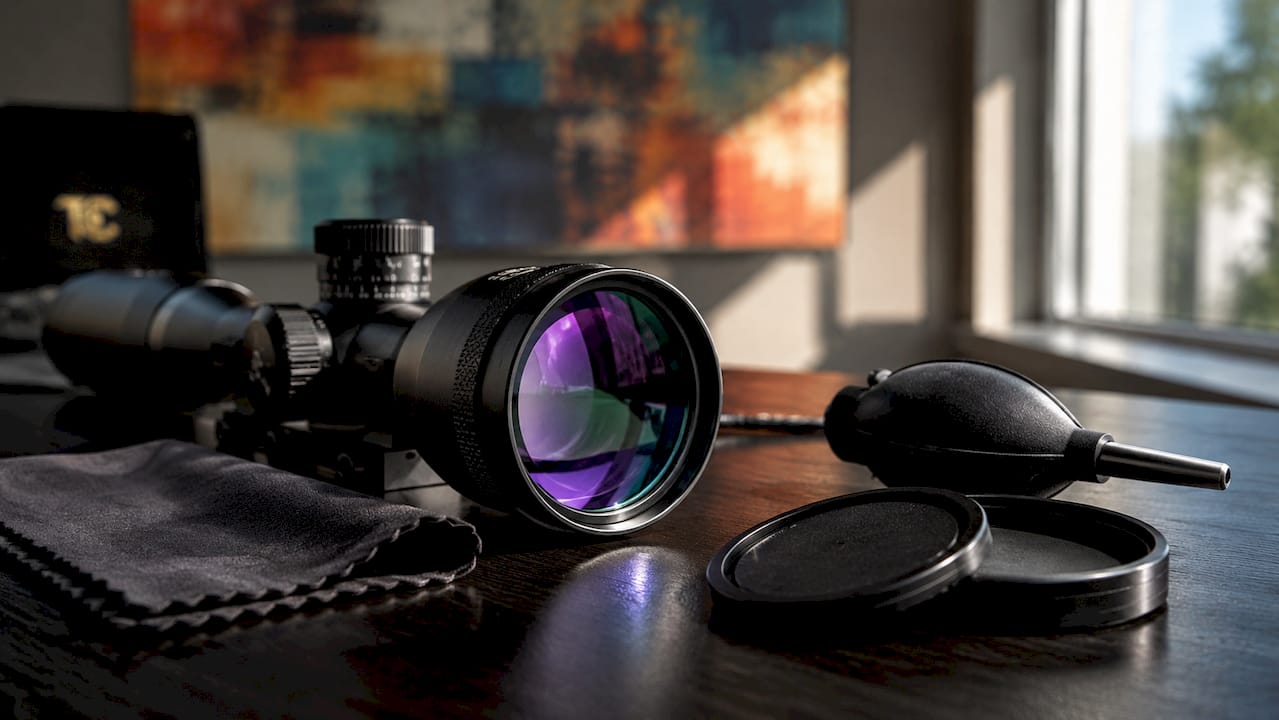
Traditional iron sights work on a purely mechanical principle with no optical advantage. Copper cables become inefficient at high performance thresholds, just as iron sights become inadequate when precision and speed matter. Optics replace that limitation with a system built around light, clarity, and repeatable accuracy.
Pro Tip: When evaluating optics technology, check for fully multi-coated lenses, a nitrogen-purged or argon-purged tube for fog resistance, and a minimum 90% light transmission rating. These three specs separate field-ready optics from range toys.
How optics improve accuracy and safety in real-world shooting
The practical benefits of investing in quality optics show up immediately in the field. Accuracy, speed, and safety all improve together when you mount a well-built optic on a properly zeroed firearm. Learning to elevate shooting accuracy with optics is not complicated, but the gains are significant across every shooting discipline.
Here is what quality optics deliver in real-world use:
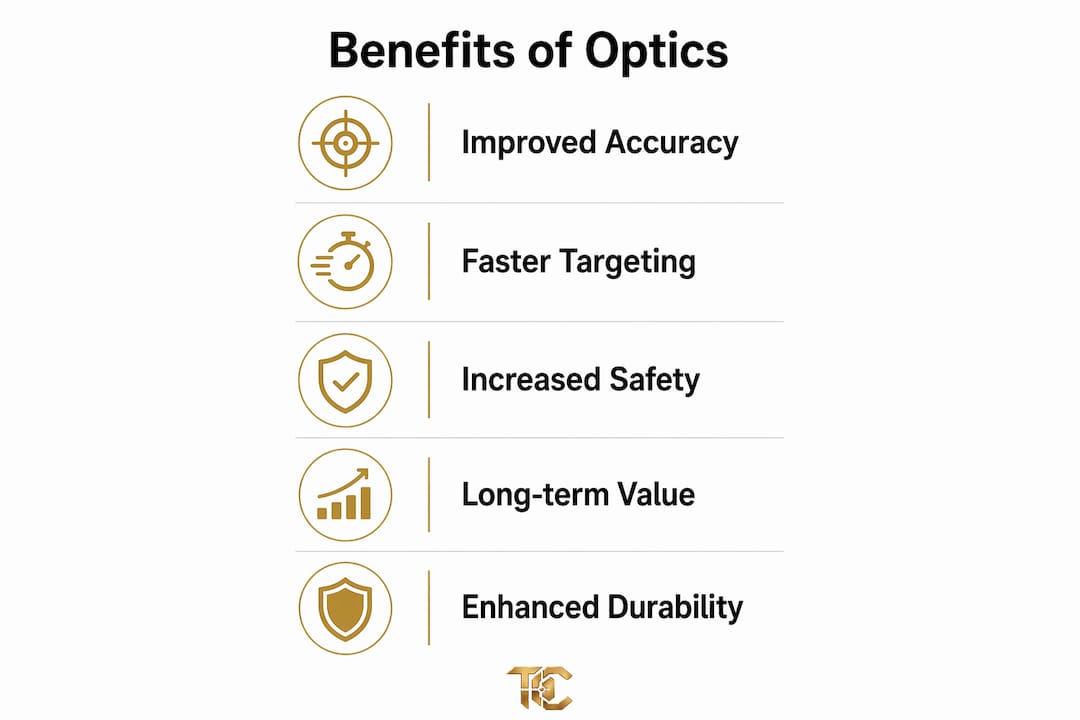
- Improved aiming precision. A reticle placed at the same focal plane as your target eliminates the three-point focus problem of iron sights. Your eye aligns one focal plane instead of three, which reduces aiming error and tightens group sizes at distance.
- Faster target acquisition. Red dot sights and low-power variable optics (LPVOs) let you acquire a target with both eyes open. That speed matters in hunting scenarios where a deer steps into a clearing for seconds, and in defensive situations where reaction time is critical.
- Reduced eye strain and fatigue. Quality glass with proper eye relief reduces the muscular effort required to hold focus. On a long hunting day or an extended range session, that reduction in fatigue keeps your shots consistent from the first round to the last.
- Safer, more confident shots. Optics let you positively identify your target and what lies beyond it before you fire. That identification is a core principle of safe firearm handling, and a quality scope makes it easier to practice consistently.
- Versatility across shooting scenarios. A 1-6x LPVO covers close-quarters defensive use at 1x and reaches out to 400 yards at 6x. One optic, properly selected, serves hunting, tactical training, and recreational shooting without compromise.
The safety argument for optics investment is often undervalued. A shooter who can clearly see and identify a target at 200 yards makes a safer decision than one squinting through iron sights in fading light. That clarity is not a luxury. It is responsible firearm ownership in practice.
What to look for when choosing firearm optics
Selecting the right optic requires evaluating several factors before you spend a dollar. The wrong choice wastes money and can actually hurt your shooting by adding weight, complexity, or unreliability to a firearm that worked fine before. Choosing the right tactical accessories starts with honest answers about how you actually use your firearm.
-
Define your primary use case. A dedicated deer hunting rifle in open country needs a different optic than a home defense carbine. Long-range precision shooting demands high magnification and a first focal plane reticle. Close-range defensive use calls for a red dot or a 1x prism sight. Match the optic to the job, not to what looks impressive on a shelf.
-
Prioritize durability for your environment. Optics used in the field face rain, cold, heat, and impact. Look for waterproof and fog-proof construction with a shockproof rating. Aluminum alloy tubes in 6061 or 7075 grade handle recoil and drops better than zinc alloy housings found in budget models.
-
Understand magnification ranges. Fixed magnification optics are simpler and often optically superior at their set power. Variable magnification optics offer flexibility at the cost of added glass elements. For most hunters and recreational shooters, a 3-9x40mm or a 1-6x24mm covers the majority of real-world shooting distances.
-
Check reticle type and adjustment. Mil-dot and MOA reticles allow holdover corrections without touching turrets. Illuminated reticles add visibility in low light. Capped turrets protect adjustments from accidental movement. Exposed tactical turrets allow fast field corrections for precision shooting.
-
Balance budget against long-term value. A quality mid-tier optic from a reputable manufacturer will outlast three budget scopes. The glass, coatings, and mechanical components in a well-built optic hold zero through thousands of rounds and years of field use. Think of it like a well-selected cigar: the cheap version disappoints every time, while the quality choice rewards you for years.
Pro Tip: Before buying, mount the optic on your firearm at a gun shop or range if possible. Eye relief, cheek weld, and field of view feel different on paper than they do behind the gun. A five-minute hands-on check prevents a costly return.
Why optical technology investment matters for long-term firearm performance
The optics industry is not standing still. The same technological forces driving massive investment in photonics for computing infrastructure are advancing firearm optics faster than most shooters realize. Industry experts consider photonics a fundamental enabling technology comparable to semiconductors in the last digital revolution. That level of foundational investment flows downstream into consumer optics over time.
The scale of industry commitment signals long-term value. Nvidia invested $6.5 billion into photonics companies by may 2026 to prevent performance scaling limits in AI infrastructure. That capital accelerates manufacturing precision, lens quality, and coating technology across the entire photonics supply chain, including the components that end up in your next scope.
Supply constraints reinforce the investment case. Photonics demand outstrips supply by approximately 30%, signaling structural shortages in critical optical components. Shooters who invest in quality optics now lock in current pricing before manufacturing constraints push costs higher across the board.
| Trend | What it means for firearm owners |
|---|---|
| Photonics market growth | Better glass and coatings at lower prices over time |
| Supply constraints | Quality optics hold value; budget models face quality cuts |
| Industry R&D investment | New reticle, coating, and durability advances reach consumers faster |
| Optical efficiency gains | Lighter, brighter optics with longer battery life in illuminated models |
The optical networking market is projected to grow from $14 billion to $73 billion by 2030. That growth funds the precision manufacturing infrastructure that produces better optics for every application, including yours. Early investment in quality optics means you benefit from current technology while the next generation of advances is still in development.
Key Takeaways
Quality optics are the single highest-return upgrade available to firearm owners because they improve accuracy, safety, and field performance simultaneously.
| Point | Details |
|---|---|
| Photonics drives optics quality | Multi-coated lenses and light-efficient designs deliver brighter, sharper images in real-world conditions. |
| Accuracy and safety improve together | Optics reduce aiming error, speed up target acquisition, and support positive target identification before firing. |
| Match optic to use case | Define your primary shooting scenario before selecting magnification, reticle type, and durability specs. |
| Long-term value beats budget buys | A quality mid-tier optic outlasts multiple budget models and holds zero through years of field use. |
| Industry investment signals growth | Photonics R&D spending will continue improving optics performance and affordability for firearm owners. |
What I’ve learned after years behind quality glass
The conventional wisdom says buy the best firearm you can afford and add optics later. After years of watching shooters struggle with that approach, I disagree. The optic is where your eye meets your firearm. Everything else, the trigger, the barrel, the stock, feeds into that single moment of sight alignment. A mediocre scope on a great rifle produces mediocre results. A great scope on a solid rifle produces excellent results.
The shooters I see make the fastest progress are the ones who invested in quality glass early. They learn proper technique faster because the optic gives them honest feedback. A clear, repeatable reticle shows you exactly where you aimed and exactly where the round went. Iron sights hide a lot of errors that optics expose immediately. That feedback loop is worth more than any other upgrade.
Safety is the argument I make most often to new firearm owners. The ability to clearly identify a target at distance, in low light, under field conditions, is not optional for responsible ownership. Quality optics make that identification reliable. Ballistic eyewear and optical accessories are part of the same commitment to seeing clearly and shooting responsibly. Spend the money on glass. You will not regret it.
— Brian
Tungstencreektactical has the optics and custom builds you need
Quality optics perform best when they are matched to the right firearm and mounted correctly from the start. Tungstencreektactical builds custom firearms with optics integration in mind, so your scope, red dot, or LPVO is part of the build from day one, not an afterthought bolted on later.

Tungstencreektactical also carries a full selection of firearm accessories to complement your optics investment, from mounting hardware to tactical gear built for field use. The Tungstencreektactical mobile app lets you scan products, compare pricing, and access VIP benefits before you buy. If you are ready to put quality glass on a firearm built to use it, Tungstencreektactical is the place to start.
FAQ
What does investing in optics mean for firearm owners?
Investing in optics means purchasing quality scopes, red dots, or prism sights that improve aiming accuracy, target identification, and shooting consistency. The return on that investment shows up immediately in tighter groups and safer field decisions.
How do optics improve shooting accuracy?
Optics replace the three-point focus problem of iron sights with a single focal plane reticle, reducing aiming error and improving group size at distance. Fully multi-coated lenses increase light transmission for clearer images in low-light conditions.
Are expensive optics worth the cost?
A quality mid-tier optic holds zero through thousands of rounds and years of field use, outlasting multiple budget models. The long-term value of durable glass and reliable mechanics makes the higher upfront cost the more economical choice over time.
What optic is best for hunting versus tactical use?
Hunting in open country favors a 3-9x or 4-12x variable scope with a simple duplex or BDC reticle. Tactical and defensive use favors a 1-6x LPVO or a red dot sight that supports fast target acquisition at close to medium range.
Why is the optics industry growing so fast?
Photonics technology is recognized as a fundamental infrastructure technology, driving massive R&D investment that improves optical manufacturing precision across all applications. That growth benefits firearm optics through better glass quality, more durable coatings, and improved performance at competitive price points.
Recommended
Related Post

Discover the 5 ways
An introduction to Tactical Luxury Guns & Coffee We founded
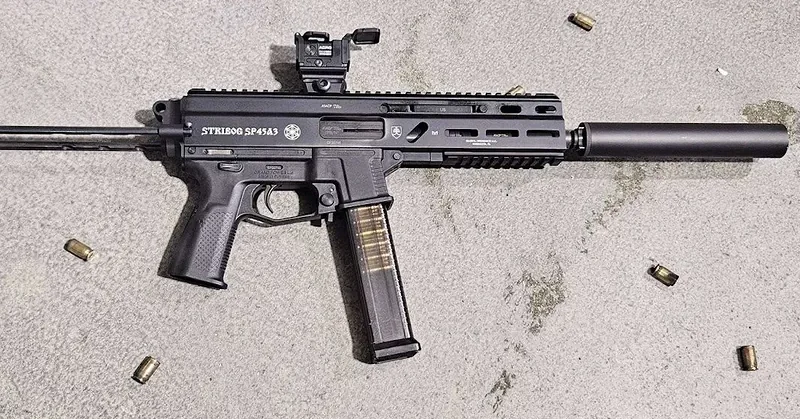
Top 5 Best PCC’s
In 2026, the Pistol Caliber Carbine (PCC) market is no