
Firearms Comparison Guide: How to Choose the Right Gun
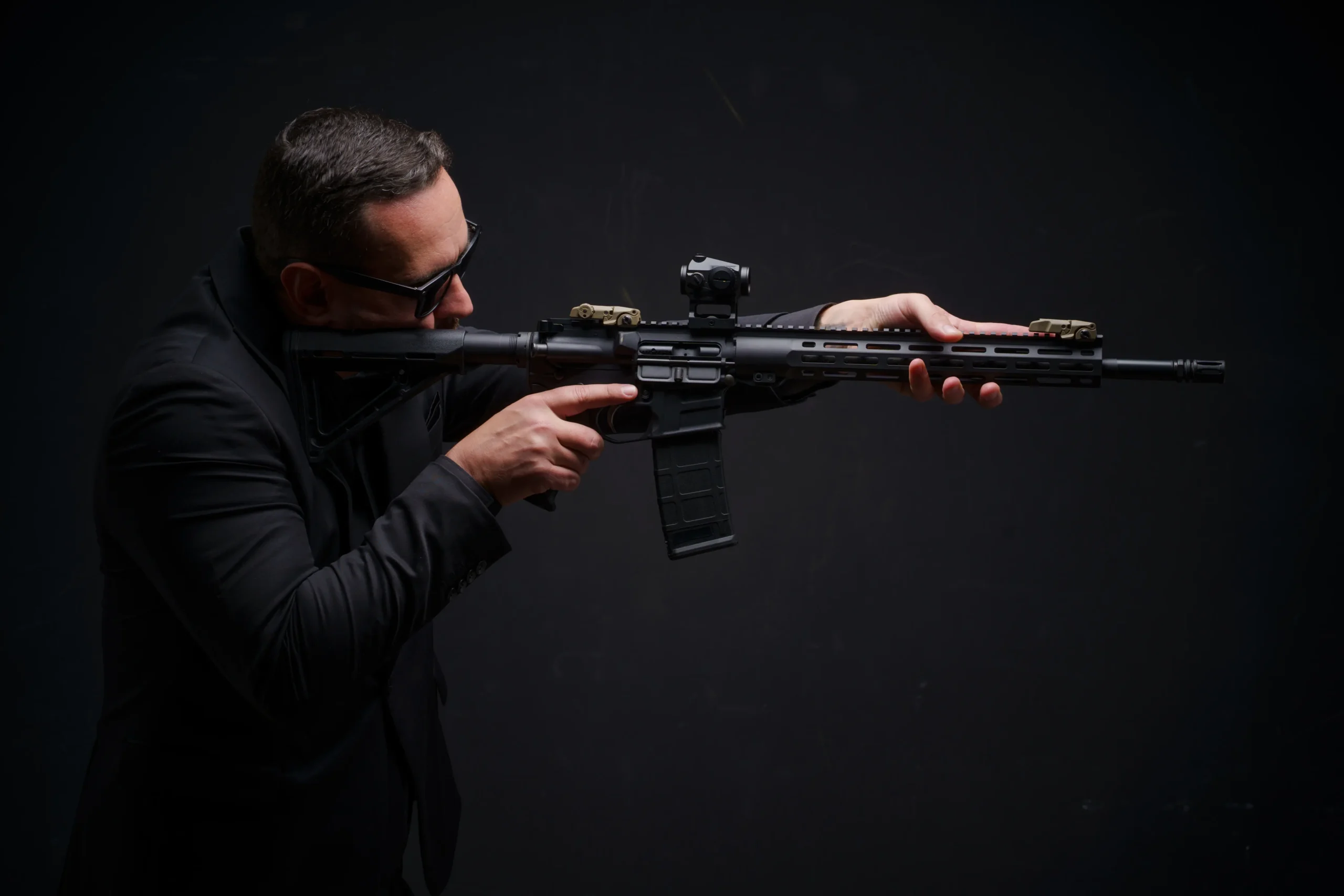
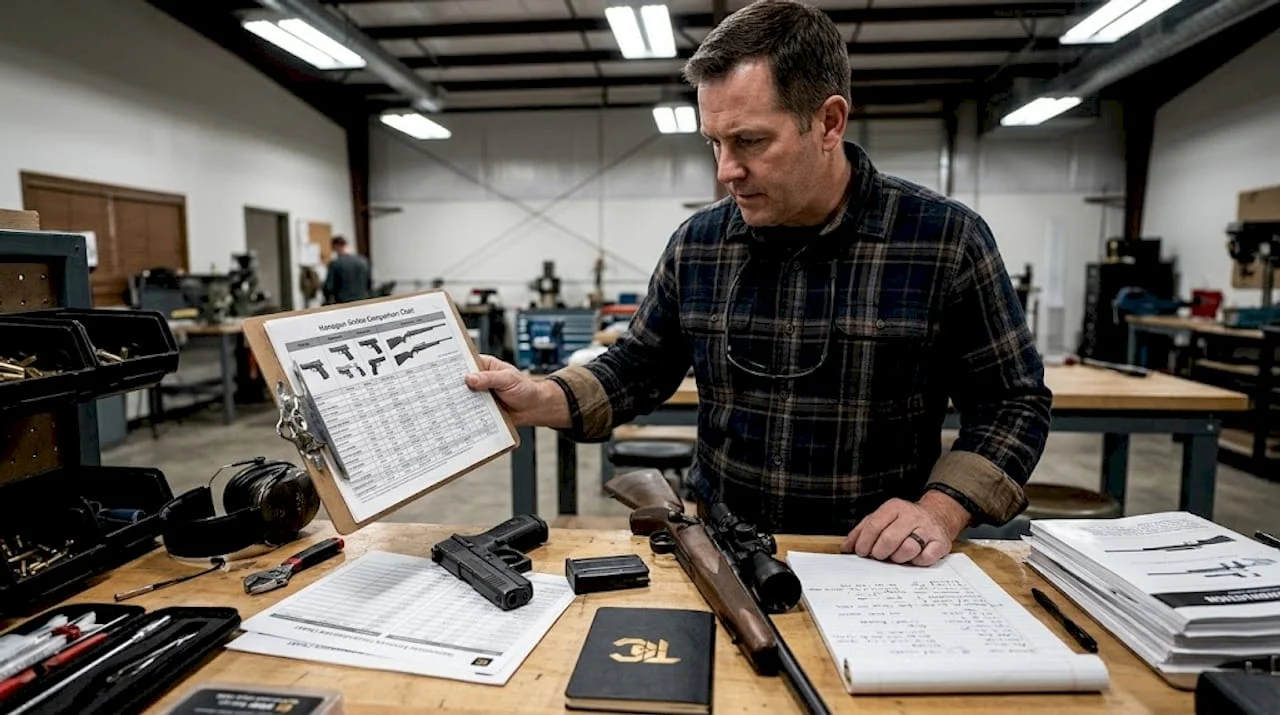
Choosing the right firearm is one of the most consequential decisions a responsible owner can make, yet the process often gets hijacked by brand loyalty, internet forum opinions, and marketing language that prioritizes aesthetics over function. The real challenge is not finding a gun that looks good on paper. It’s identifying the firearm that fits your specific use case, your physical characteristics, your training commitment, and your safety discipline. This guide cuts through the noise by walking you through the technical criteria that experts actually use, comparing the most common action types in both handguns and long guns, and giving you a structured framework for making a confident, informed decision.
Table of Contents
- What matters: The four key criteria for comparing firearms
- Handguns head-to-head: Semi-auto types compared
- Long guns: Bolt action vs lever action vs semi-auto
- Forensic and technical comparison basics for responsible owners
- Why “best” is relative: The overlooked art of matching firearm to mission
- Go further: Explore custom builds and high-performance options
- Frequently asked questions
Key Takeaways
| Point | Details |
|---|---|
| Focus on actions | The gun’s action type determines much of its safety, training, and user experience. |
| Match to your need | Choose firearms by defining your intended use, not by popularity or brand alone. |
| Consider maintenance | A system you can maintain and inspect reliably will serve you best long term. |
| Apply proven methods | Use forensic-style steps—safety checks and documentation—to inform your comparisons. |
What matters: The four key criteria for comparing firearms
With those selection challenges in mind, let’s clarify which features actually set firearms apart. Most buyers lead with caliber or brand, but experienced shooters and instructors rely on a more disciplined framework. A practical firearms comparison should explicitly evaluate operating system, trigger and safety mechanics, ergonomics, and how those traits affect reliability and training demands.
Here are the four criteria that should drive every comparison:
- Action/operating system. This is how the firearm cycles, chambers, and fires. Options include bolt action, lever action, pump action, semi-automatic, single-action, and double-action. Each involves different manual steps and mechanical complexity.
- Trigger, safety, and manual-of-arms. How you operate the firearm under stress matters enormously. Some designs require deliberate safety manipulation before firing. Others are simpler but demand better trigger discipline. The manual-of-arms is the full sequence of steps required to safely deploy the firearm.
- Ergonomics and modularity. Does the grip fit your hand? Can you reach the controls without shifting your grip? Firearm modularity refers to how easily the platform can be customized with different grips, stocks, sights, or accessories to fit different users or missions.
- Reliability and maintenance requirements. Some designs are more forgiving of dirt, debris, and infrequent cleaning. Others demand disciplined upkeep. Firearm reliability is directly tied to how well you understand and maintain the operating system.
“The best action type is the one the shooter can operate reliably, safely, and effectively under stress. Simplicity of operation and training burden must be weighed together.” — Massad Ayoob
Pro Tip: Before purchasing, handle and dry-fire several different action types at a range or gun store. Following all firearm safety tips during dry-fire practice will help you feel the real differences in trigger weight, reset, and ergonomic fit before spending a dollar.
The expert insight here is simple but often ignored: the best comparison isn’t just about which gun performs best in a magazine test. It’s about how much training you’re willing to invest to master a given platform, and whether that platform rewards that investment in your specific context.
Handguns head-to-head: Semi-auto types compared
Now that you know what to focus on, see how these criteria manifest in the most popular handgun types. Semi-automatic pistols dominate the market for concealed carry, home defense, and competition, but not all semi-autos are created equal. The action type within the semi-auto category creates significant differences in how the gun is carried, deployed, and operated.
Here’s how the three main handgun action types break down:
- Single-action (SA). The hammer must be manually cocked before the first shot. This gives you a light, crisp trigger pull, but it requires an additional manual step. The classic 1911 platform operates on this principle. SA pistols reward shooters who train consistently but carry a higher operational burden for new users.
- Double-action/single-action (DA/SA). The first shot is fired with a long, heavy double-action trigger pull, which also cocks the hammer. Subsequent shots use a lighter single-action pull. This design gives you a built-in safety margin on the first round but creates an inconsistent trigger feel between shots, which takes dedicated training to manage.
- Striker-fired. There is no exposed hammer. The firing pin is partially pre-tensioned by the slide cycle, and a consistent trigger pull completes the firing sequence every time. This is the action type found in most modern service and carry pistols. As noted by Massad Ayoob, semi-auto action choice is not just about “feel,” but about the manual-of-arms burden and required user training.
| Action type | Manual steps | Safety complexity | Trigger consistency | Best suited for |
|---|---|---|---|---|
| Single-action | High (manual cock) | Moderate to high | Very consistent | Experienced competitors, enthusiasts |
| DA/SA | Moderate | Moderate | Inconsistent (1st vs follow-up) | Experienced carry users |
| Striker-fired | Low | Low to moderate | Fully consistent | New users, everyday carry |
For new shooters or those who want the lowest day-to-day training burden, striker-fired platforms are typically the most accessible path. The trigger pull is identical on every shot, and there are no manual safeties to disengage under pressure on most models.
Pro Tip: If you’re evaluating your first carry pistol, spend at least one range session shooting each action type side by side. Ask about safety tips for handgun owners and discuss trigger discipline requirements with a qualified instructor before committing to a platform.
The key decision factor for experienced users is often precision under pressure rather than simplicity. A shooter who trains 200 rounds per month will find the single-action trigger rewarding. A shooter who trains 30 rounds per month will likely perform better with a striker-fired platform because it reduces variables.
Long guns: Bolt action vs lever action vs semi-auto
The criteria for handguns also show up in long guns, but speed and precision matter differently here. Choosing between a bolt action, lever action, or semi-automatic rifle comes down to your intended use, the distances you expect to engage, and the terrain you’ll operate in.
Bolt action. The shooter manually cycles the bolt between shots by lifting, pulling back, pushing forward, and locking down. This process is deliberate and slows your rate of fire, but it rewards that patience with one major advantage: an extremely solid lockup that supports consistent, repeatable accuracy at long distances. Bolt actions are the go-to platform for precision hunting and long-range shooting for exactly this reason.
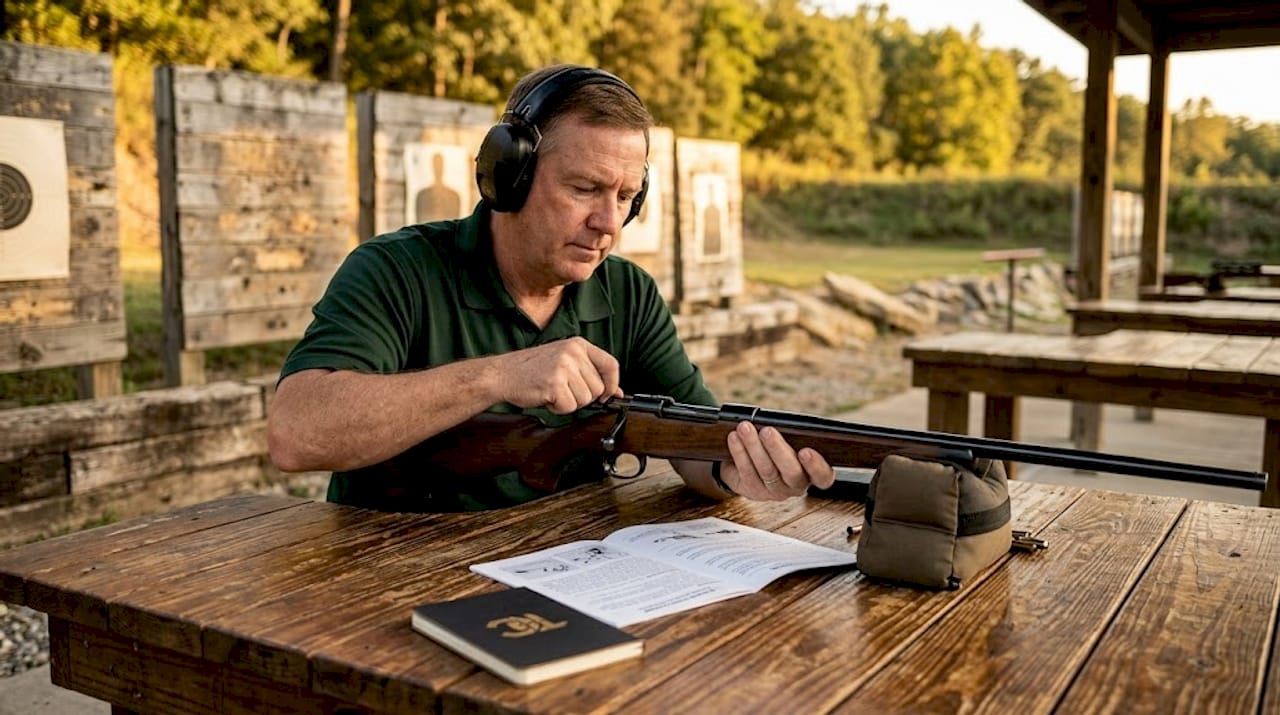
Lever action. The shooter cycles the action by pushing down and pulling back a lever beneath the receiver. This is faster than a bolt but slower than a semi-auto. Lever actions are mechanically elegant and have been proven in the field for over a century. They excel in dense cover and close-to-medium range hunting scenarios where a fast follow-up shot matters more than sub-MOA precision.
Semi-automatic. Gas-operated or recoil-operated semi-auto rifles cycle automatically after each shot. This gives you the fastest possible follow-up shots with no manual manipulation required between rounds. The trade-off is greater mechanical complexity, more parts to clean and maintain, and a higher learning curve for diagnosing malfunctions.
“When comparing long guns, the decision should come down to expected distances and terrain. Bolt actions provide solid lockup for long-range precision, while lever actions favor speed and close-to-mid-range hunting.”
Key pros and cons at a glance:
- Bolt action: Superior long-range accuracy, simple design, easy to maintain. Slower follow-up shots and requires manual cycling.
- Lever action: Fast handling, mechanically reliable, nostalgic and legally favorable in some jurisdictions. Limited capacity and typically better suited to shorter ranges.
- Semi-auto: Fastest follow-up shots, high magazine capacity. More maintenance-intensive and more complex to diagnose under field conditions.
| System | Speed | Accuracy | Maintenance | Ideal use case |
|---|---|---|---|---|
| Bolt action | Slow | Excellent | Simple | Long-range hunting, precision shooting |
| Lever action | Moderate | Good | Moderate | Close/medium range, dense terrain |
| Semi-auto | Fast | Good to excellent | Complex | Home defense, competition, field use |
A credible first-rifle comparison is grounded in expected recoil, ergonomics, and the intended use from day one. One of the most common misconceptions is that a magnum caliber is appropriate for beginner hunters. It often isn’t. Recoil management requires training, and flinching from a heavy-recoiling rifle is one of the most common causes of missed shots in the field. Match the gun to your current skill level, not to your aspirations. Use the firearm buying process as a structured checklist before committing to any long gun purchase.
Forensic and technical comparison basics for responsible owners
Beyond features and types, the best comparisons use proven methods borrowed from forensic laboratories and professional examiners. Standardized firearm examination protocols include systematic steps for classification, safety checks, and measurements that translate directly into smarter buying and ownership habits.
Here’s how you can apply a version of this process as a responsible owner:
- Classify the firearm. Identify the action type, caliber, manufacturer, and model. Document the serial number and record it securely. Understanding exactly what you own is the first step in comparing it accurately to alternatives.
- Conduct a safety evaluation. Verify the safety mechanisms function correctly. Check that the trigger does not release under a drop simulation and that all manual safeties engage and disengage as designed.
- Inspect for wear and damage. Examine the barrel, slide or bolt, frame, and feed components for unusual wear patterns, cracks, or corrosion. Reference firearm maintenance tips to know what normal wear looks like versus a red flag.
- Document and track performance. Log round counts, any malfunctions, parts replaced, and cleaning cycles. Patterns in this data tell you whether a reliability issue is user-related or mechanical.
- Understand serialized components. Know which components are legally serialized on your firearm and why. Serialized firearms documentation is a legal and practical responsibility for every owner.
“A disciplined, repeatable inspection and documentation process is the foundation of reliable ownership. It eliminates guesswork and creates accountability for every component.”
Pro Tip: Keep a simple logbook, either physical or digital, that records every range session, round count, malfunction, and maintenance action. This record becomes invaluable when troubleshooting reliability issues or making a case for a warranty claim.
This forensic-style discipline pays off beyond troubleshooting. Owners who document consistently make better comparative decisions because they have objective data on their current platform’s performance, which makes evaluating an upgrade far more grounded than relying on internet reviews alone.
Why “best” is relative: The overlooked art of matching firearm to mission
With all the technical comparisons in mind, it’s vital to recognize a key lesson that internet firearm culture tends to obscure. Most buyers search for “the best” handgun or “the best” hunting rifle. But that question is only useful once you’ve defined the mission clearly and honestly assessed your own user profile.
We see this pattern constantly. A buyer comes in asking for the best carry pistol, and after a few questions, it becomes clear they have minimal trigger time, they’ll likely carry three days a week, and their primary concern is home defense rather than deep concealment. The “best” carry pistol in that scenario is not the same gun that a competitive shooter or a daily carrier in a warm climate would choose. Context changes everything.
The uncomfortable truth is that most people select firearms based on what respected shooters online endorse, without asking whether that endorser’s training frequency, hand size, carry style, and mission actually match their own. A gun that performs brilliantly in the hands of someone shooting 5,000 rounds per year may be mediocre or even problematic for someone shooting 500. This is about the relationship between craftsmanship in firearms and user capability. A finely made instrument still requires a skilled hand to realize its potential.
“There is no absolute ‘best’ firearm. There is only the best firearm for your specific needs, your honest training commitment, and the manual-of-arms you’re willing to master.”
Pro Tip: Before your next purchase, write down your mission clearly. Is it home defense, concealed carry, hunting at 200 yards, or competition? Then compare firearms against that written mission, not against someone else’s list of favorites. This single habit separates informed buyers from impulse buyers.
Go further: Explore custom builds and high-performance options
If you’ve worked through this guide and you’re ready to act on what you’ve learned, the next step is finding the right platform and the right support to build it out properly. Applying the criteria above to a purpose-built or thoughtfully upgraded firearm is where the real payoff happens.
At Tungsten Creek Tactical, we carry a curated selection of firearms and components for owners who take the comparison process seriously. Whether you’re looking at custom guns built to your exact specifications, a precision-ready option like the FN 502 Tactical for training and versatility, or a platform upgrade like the SB Tactical SBA3 stock for a more ergonomic fit on your AR-15 build, our team can help you match the right components to the right mission. Browse our selection and use our mobile app to compare pricing, scan products, and unlock exclusive VIP benefits tailored to serious enthusiasts.
Frequently asked questions
What is the most important criterion when comparing firearms?
The operating system is the most critical factor, as action mechanics directly determine safety requirements, reliability under stress, and the training commitment needed to operate the firearm effectively.
How can I compare firearm reliability before buying?
Follow standardized inspection steps by checking safety function, reviewing any known malfunction history, examining wear patterns, and testing the action manually before purchase.
What handgun type is easiest for new users?
Striker-fired pistols are generally the simplest for beginners because Massad Ayoob describes striker-fired as “point gun, pull trigger,” with consistent trigger pull and fewer manual steps, though good trigger discipline remains essential.
Which long gun action is best for hunting?
Bolt actions favor long-range precision with superior lockup and repeatable accuracy, while lever actions are better suited for faster handling in dense cover and close-to-medium range scenarios.
How can I improve my firearm comparison skills as an owner?
Adopt a structured evaluation process grounded in standardized examination protocols: classify the firearm, document its condition, verify safety function, and maintain a consistent log of performance and maintenance over time.
Recommended
Related Post

Discover the 5 ways
An introduction to Tactical Luxury Guns & Coffee We founded
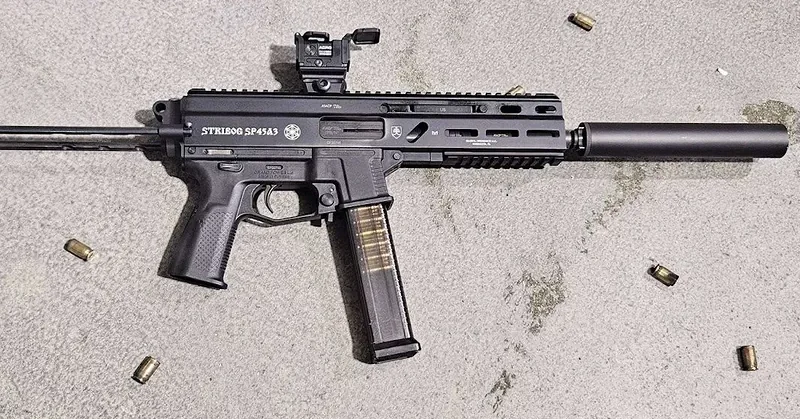
Top 5 Best PCC’s
In 2026, the Pistol Caliber Carbine (PCC) market is no