
Firearms for Responsible Owners: 8 Practices That Matter
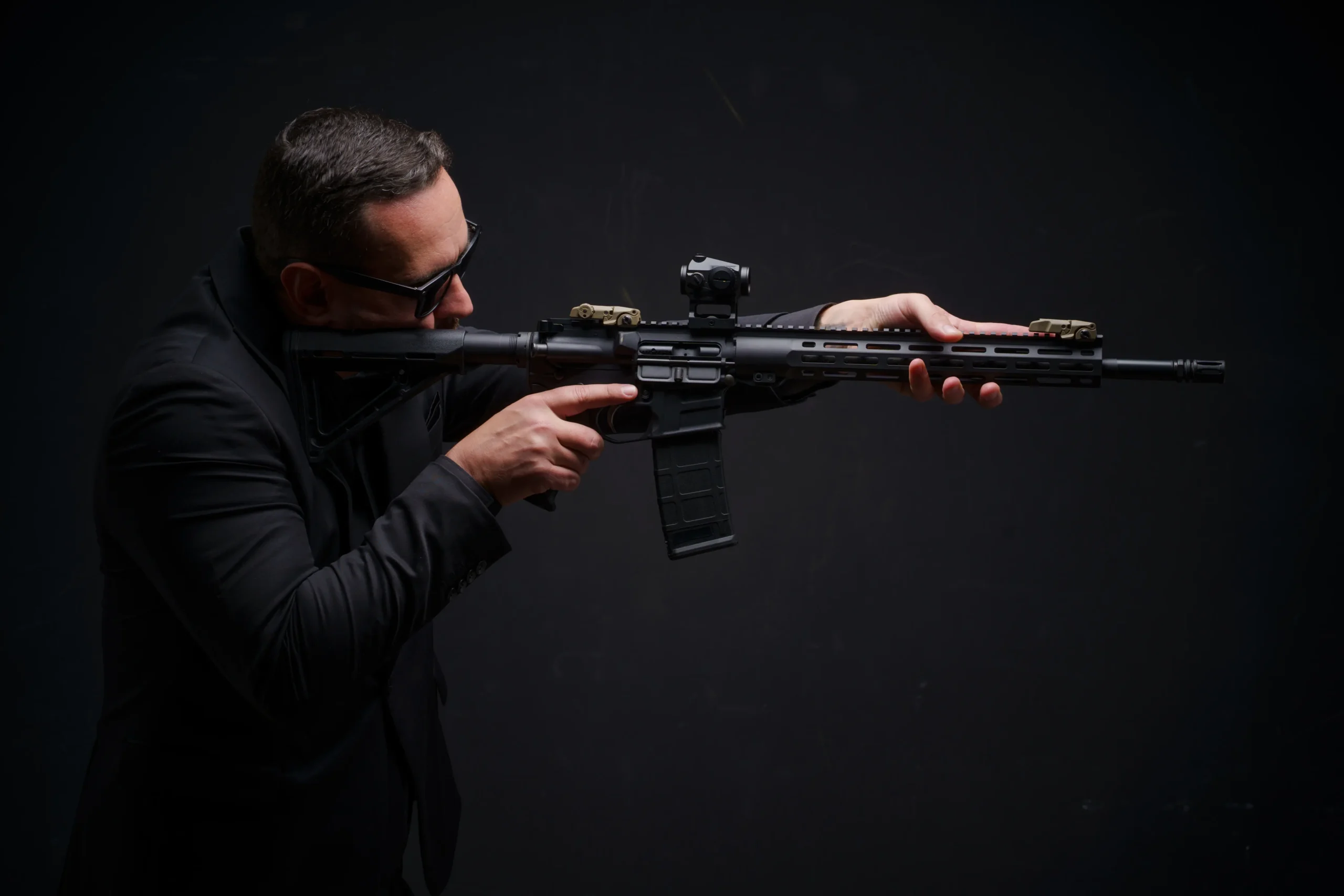
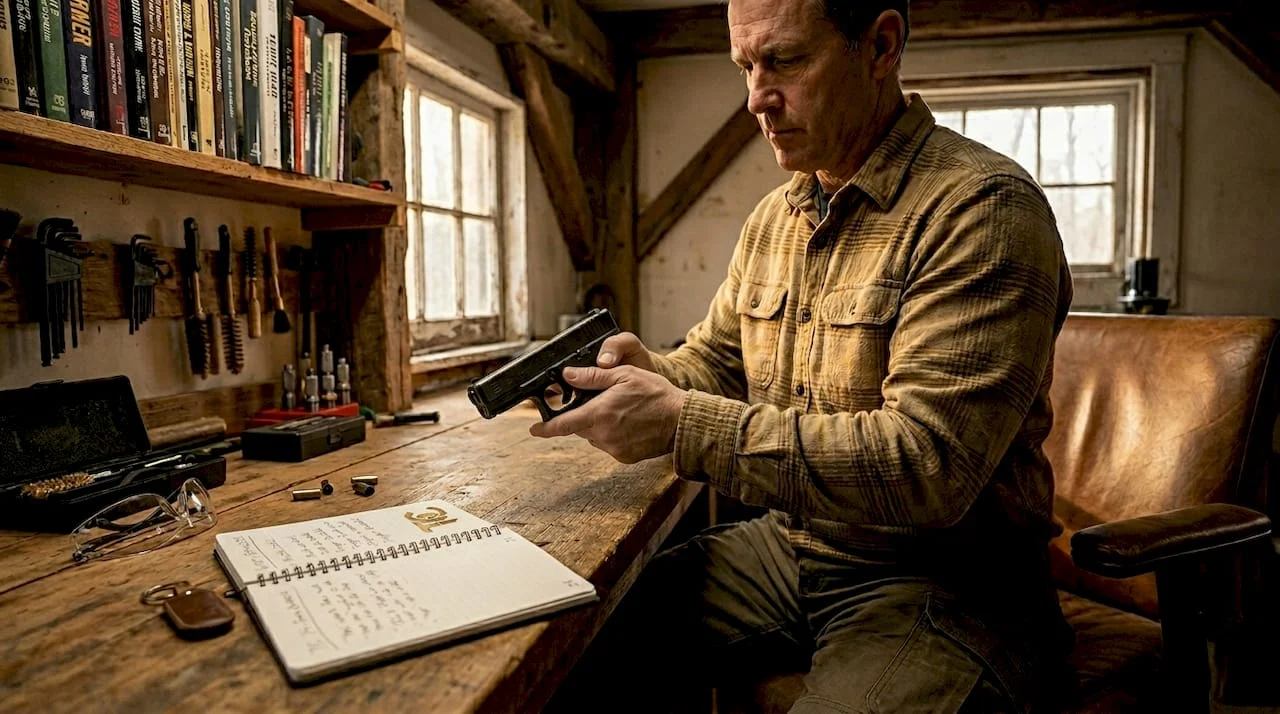
Responsible firearm ownership is defined by four non-negotiable pillars: safety discipline, secure storage, legal compliance, and ethical behavior. Whether you carry for personal protection or shoot recreationally, these principles are not optional extras. The Johns Hopkins Center for Gun Violence Solutions and the ATF both frame firearms for responsible owners as a continuous commitment, not a one-time purchase decision. Every choice you make with a firearm, from how you store it to how you transport it, carries real consequences for your household and your community.
1. Follow the core safety rules without exception
The four universal firearm safety rules form the foundation of responsible gun ownership. Treat every firearm as loaded at all times. Keep your finger off the trigger until your sights are on target. Never point a muzzle at anything you are not willing to destroy. Know your target and what lies beyond it.
ATF safety guidelines reinforce these rules with specific procedures for clearing and unloading firearms before storage or transfer. Clearing a firearm means physically inspecting the chamber, not just dropping the magazine. Many negligent discharges happen because the shooter assumed the chamber was empty after removing the magazine.
Safety mechanisms like thumb safeties and grip safeties are mechanical aids, not substitutes for the four rules. A safety switch can fail. Your habits cannot, if you build them correctly. The ATF’s enforcement focus consistently points to improper handling as a leading factor in preventable firearm incidents.
- Treat every gun as loaded, every time
- Keep the muzzle pointed in a safe direction during all handling
- Clear the chamber visually and physically before storage or handoff
- Confirm your backstop before any trigger press at the range
Pro Tip: Schedule a 15-minute dry-fire safety drill monthly. Run clearing procedures, practice trigger discipline, and review the four rules out loud. Muscle memory built in low-stakes repetition holds up under stress.
2. Store firearms locked, unloaded, and with ammo secured separately
Secure firearm storage is the single most impactful decision you make as an owner. Locked and unloaded storage with ammunition locked in a separate container is the evidence-based standard. Hiding a gun on a high shelf or in a drawer does not qualify as secure storage, regardless of how inaccessible it seems to you.
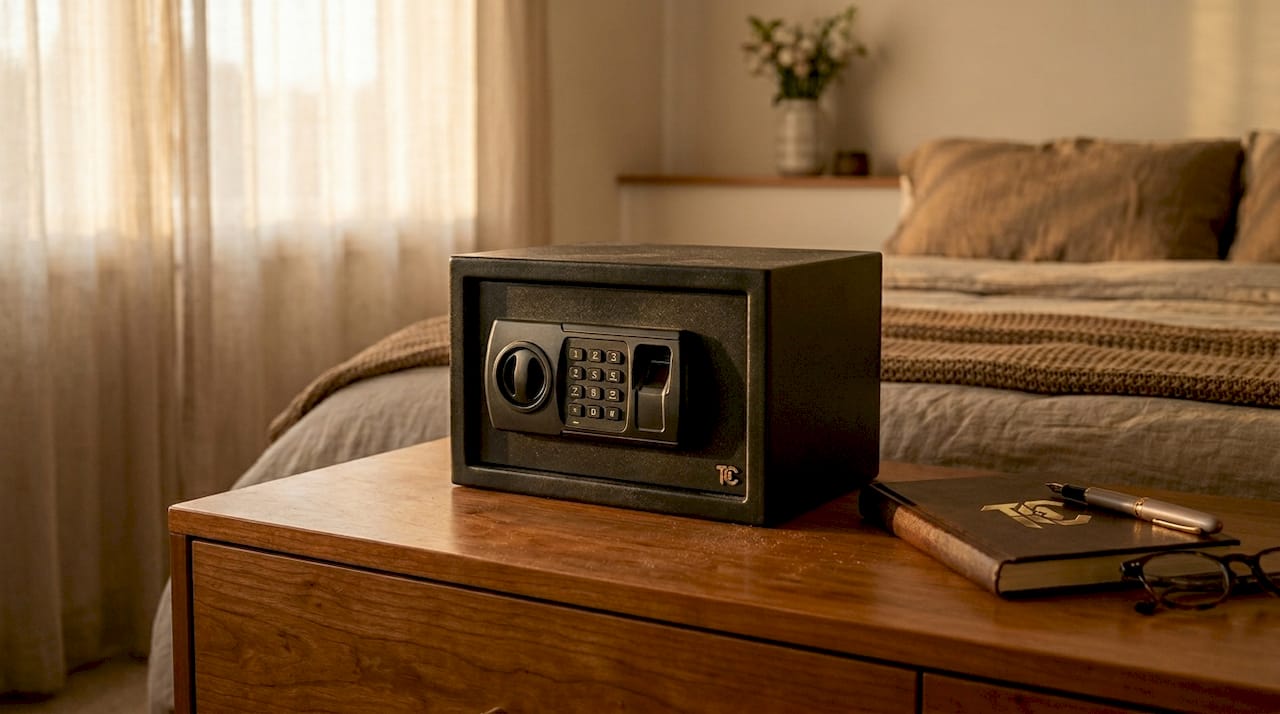
The numbers make the case plainly. Safe storage reduces injury risk by 78% across all households and by 85% in homes with children. That gap between 78% and 85% reflects how dramatically child access changes the risk profile. Between 200,000 and 500,000 firearms are stolen annually in the United States, which means your storage solution also protects your community from illegal diversion.
The American Academy of Pediatrics states that the safest home for children is one without firearms, but when guns are present, locked and unloaded storage with separately locked ammunition and inaccessible keys is the minimum standard. Teaching children to respect firearms is valuable. It is not a substitute for a lock.
| Storage option | Security level | Accessibility | Estimated cost |
|---|---|---|---|
| Full-size gun safe | High | Moderate (combination or biometric) | $300 to $2,000+ |
| Quick-access pistol safe | Medium-High | Fast (biometric or keypad) | $80 to $300 |
| Lockbox with cable | Medium | Moderate (key or combination) | $30 to $100 |
| Trigger lock | Low | Slow (requires key) | $10 to $40 |
| Hidden shelf or drawer | None | Immediate | $0 to $50 |
Pro Tip: Match your storage solution to your home layout and the people in it. A biometric quick-access safe on your nightstand handles personal protection needs while keeping the firearm out of unauthorized hands. A full-size safe in a closet works for long guns and backup firearms. Use both if your collection warrants it.
For more guidance on selecting secure storage that fits your specific situation, Tungsten Creek Tactical has detailed recommendations organized by household type.
3. Transport firearms in compliance with federal law
Federal law under 18 U.S.C. 926A governs how you move firearms across state lines, and the 2026 Federal Register clarifies several practical scenarios that owners frequently misread. The core requirement is that transported firearms must be unloaded, stored in a locked container, and not readily accessible for immediate use. Ammunition must be stored separately from the firearm.
The phrase “not readily accessible” carries legal weight. A firearm in a locked case in your trunk satisfies the standard. A loaded pistol in your center console does not, regardless of whether you have a carry permit in your home state. Permit reciprocity does not override federal transport requirements when crossing state lines.
Overnight stops and vehicle switches during travel require the same locked, unloaded standard as the primary transit leg. The continuous journey exception under 18 U.S.C. 926A does not pause your compliance obligations when you check into a hotel or transfer your gear to a rental car.
- Unload the firearm completely before placing it in a transport case
- Use a locked hard-sided case for air travel per TSA and airline requirements
- Store ammunition in a separate locked container, not loose in the same bag
- Verify destination state laws before departure, as some states impose stricter rules than federal minimums
- During overnight stays, keep the firearm in a locked container inside your room, not in the vehicle
The safe firearm transportation guide from Tungsten Creek Tactical covers state-by-state considerations and packing checklists worth reviewing before any trip.
4. Build a consistent maintenance routine
A firearm that is not maintained is a firearm that cannot be trusted. Reliability and safety are directly tied to the condition of your action, barrel, and feed system. Fouling buildup in the bore affects accuracy. Carbon deposits in the action cause malfunctions. Dried or degraded lubricant increases wear on metal components and can cause failures at the worst possible moment.
Routine cleaning after every range session is the baseline. Field-strip the firearm, clean the bore with a solvent-soaked patch followed by a dry patch, wipe down the action, and apply a light coat of lubricant to friction points. The process takes 15 to 20 minutes for most handguns and is worth every minute. For firearm maintenance routines that go deeper into long-term care, Tungsten Creek Tactical has a dedicated resource.
- Clean the bore, action, and feed ramp after every range session
- Inspect the recoil spring, extractor, and firing pin for wear or damage during each cleaning
- Check for cracks in the frame or slide, particularly around the locking lugs
- Lubricate sparingly. Over-lubrication attracts debris and can cause malfunctions in semi-automatics
- Schedule a professional gunsmith inspection annually or after any unusual malfunction
Professional gunsmith evaluation is not optional for complex repairs or when you notice anything outside the norm. A qualified gunsmith catches issues that are invisible to the untrained eye, from headspace problems to worn sear engagement surfaces. Think of it the way you think about a well-maintained piece of gear: the care you put in determines the performance you get out.
5. Understand and respect the legal framework
ATF compliance requirements apply to every owner, not just dealers and manufacturers. Responsible gun ownership includes knowing which firearms you can legally own in your state, how to complete a lawful private transfer, and when a background check is required. Ignorance of the law does not protect you from its consequences.
Private sales vary significantly by state. Some states require background checks for all transfers, including private party sales. Others do not. Selling a firearm to someone you know or suspect is prohibited from owning one is a federal offense regardless of state law. Transparency in every transaction is both a legal obligation and an ethical one.
Theft prevention is also a legal and community responsibility. Reporting a stolen firearm to local law enforcement and the ATF promptly limits your liability and helps track illegal diversion. The ethical gun practices that define a responsible owner extend beyond your own property line.
“Responsible ownership means accepting that your firearm’s security is your responsibility from the moment you take possession until the moment you legally transfer it to someone else. There is no gap in that chain.”
- Know your state’s laws on private transfers and background check requirements
- Report lost or stolen firearms to local law enforcement and the ATF immediately
- Never transfer a firearm to someone you have reason to believe is prohibited
- Keep records of all purchases and transfers for your own legal protection
- Stay current on regulatory changes, particularly after federal rulemaking updates
6. Invest in ongoing gun ownership education
Gun ownership education does not end with your first safety course. Firearms technology, legal standards, and best practices all evolve. A responsible owner commits to staying current, whether through formal training, certified instructor courses, or reputable resources like the firearm safety tips published by Tungsten Creek Tactical.
Formal training from a certified NRA instructor, USCCA-certified trainer, or law enforcement professional gives you structured feedback that self-study cannot replicate. Grip, stance, trigger control, and malfunction clearance all benefit from an experienced eye. Even experienced shooters find value in periodic refresher courses because bad habits develop gradually and are hard to self-diagnose.
Community engagement matters too. Range safety officers, local gun clubs, and state-level firearms associations provide networks where owners share knowledge, flag regulatory changes, and reinforce a culture of responsibility. The safe ammunition storage practices that protect your family are the same ones your community benefits from when every owner takes them seriously.
Key takeaways
Responsible firearm ownership requires locked and unloaded storage with separately secured ammunition, consistent safety discipline, legal compliance during transport and transfer, and a commitment to ongoing education.
| Point | Details |
|---|---|
| Storage is the highest-impact decision | Locked, unloaded storage with separate locked ammo reduces injury risk by up to 85% in homes with children. |
| Transport compliance is non-negotiable | Federal law requires unloaded firearms in locked containers during all phases of travel, including overnight stops. |
| Maintenance protects safety and reliability | Clean and inspect your firearm after every range session; schedule annual professional gunsmith evaluations. |
| Legal knowledge is part of ownership | Know your state’s transfer laws, report stolen firearms promptly, and never transfer to a prohibited person. |
| Education is continuous | Periodic formal training and updated resources keep your skills and legal knowledge current. |
What I’ve learned after years of watching owners get storage wrong
The most common mistake I see is not recklessness. It is complacency dressed up as convenience. An owner buys a quality firearm, takes a safety course, and then stores it loaded in a nightstand drawer because they want it accessible. That logic feels sound until a curious child, a houseguest, or a burglar proves it wrong.
The research from the Johns Hopkins Center for Gun Violence Solutions is blunt on this point: physical inaccessibility without a lock is not secure storage. A high shelf is not a safe. A locked case with the key on the same nightstand defeats the purpose entirely. The owners who get this right treat their storage solution with the same seriousness they bring to their firearm selection.
What I find genuinely encouraging is how quickly the culture shifts when owners commit to the standard. Locked storage becomes habit within weeks. The perceived trade-off between readiness and security shrinks once you practice accessing a biometric safe under simulated stress. The two are not opposites. They are compatible, if you train for both.
The ethical dimension is the part that gets talked about least. Every firearm you own is a potential community safety issue if it is stolen, misused, or accessed by someone who should not have it. Owning a firearm well means accepting that responsibility fully, not just on the range but in every decision you make about storage, transport, and transfer.
— Brian
Gear and services built for owners who take this seriously

Tungsten Creek Tactical builds and services firearms for owners who hold themselves to a high standard. The custom guns available through Tungsten Creek Tactical are precision-built with safety and performance as the primary design criteria, not aesthetics alone. If your current firearm needs professional attention, the gunsmithing services cover everything from routine maintenance to complex repairs, performed by qualified professionals who understand what responsible ownership demands. Visit Tungsten Creek Tactical to explore the full catalog, use the mobile app to compare products and pricing, and get expert guidance before your next purchase or service appointment.
FAQ
What does responsible firearm ownership actually require?
Responsible ownership requires locked and unloaded storage with separately secured ammunition, consistent application of the four safety rules, legal compliance in all transfers and transport, and ongoing education. The ATF and Johns Hopkins Center for Gun Violence Solutions both identify these as the core standards.
How should I store a firearm if I have children at home?
The American Academy of Pediatrics recommends locked, unloaded storage with ammunition locked separately and keys or combinations kept inaccessible to children. Teaching children firearm safety is valuable but does not replace physical access controls.
What are the federal rules for transporting a firearm?
Under 18 U.S.C. 926A, firearms transported across state lines must be unloaded, stored in a locked container, and not readily accessible. Ammunition must be stored separately. These requirements apply during all phases of travel, including overnight stops and vehicle transfers.
How often should I clean and inspect my firearm?
Clean your firearm after every range session and inspect it for wear, damage, and component integrity during each cleaning. Schedule a professional gunsmith evaluation annually or after any malfunction that falls outside normal operation.
Do I need a background check for a private firearm sale?
It depends on your state. Some states require background checks for all transfers including private sales; others do not. Federal law prohibits transferring a firearm to anyone you know or have reason to believe is legally prohibited from owning one, regardless of state requirements.
Recommended
Related Post

Discover the 5 ways
An introduction to Tactical Luxury Guns & Coffee We founded
Top 5 Best PCC’s
In 2026, the Pistol Caliber Carbine (PCC) market is no